Original article

Recent advances of polymer nanocomposites in emerging applications

  • Geolita Ihsantia Ning Asih a ,
  • Ande Fudja Rafryanto a ,
  • Sri Hartati a ,
  • Xiaoyi Jiang b ,
  • Alinda Anggraini a ,
  • Azis Yudhowijoyo a ,
  • Jizhou Jiang , b, * ,
  • Arramel , a, *
Expand
  • a Center of Excellence Applied Physics and Chemistry, Nano Center Indonesia, Jalan Raya PUSPITEK, South Tangerang, Banten 15314, Indonesia
  • b School of Materials Science and Engineering, State Key Laboratory of Green and Efficient Development of Phosphorus Resources, Engineering Research Center of Phosphorus Resources Development and Utilization of Ministry of Education, Key Laboratory of Green Chemical Engineering Process of Ministry of Education, Hubei Key Laboratory of Plasma Chemistry and Advanced Materials, Novel Catalytic Materials of Hubei Engineering Research Center, Wuhan Institute of Technology, Wuhan 430205, P. R. China.
Corresponding author:. E-mail: (Arramel); (J. Jiang)

Received date: 2025-07-16

  Revised date: 2025-09-13

  Accepted date: 2025-09-13

  Online published: 2025-09-13

Copyright

© 2025 This is an open access article under the CC BY-NCND license (http://creativecommons.org/licenses/by-nc-nd/4.0/).

Abstract

Renewed interest in polymer nanocomposites (PNCs) has garnered significant impact towards next-generation hybrid materials. Owing to the outstanding mechanical, thermal, electrical, and chemical properties of PNCs, the integration of various nanoparticles or other emerging nanofillers into polymer matrices renders their applicability. This review outlines recent progress and a comprehensive overview across multidisciplinary fields of chemistry and physics concepts including surface chemistry and polymer science, emphasizing their enhanced photophysical performance over traditional composites. To examine their promising physicochemical nature, several fabrication techniques are outlined: in situ polymerization, solution blending, melt compounding, and electrospinning. In addition, state-of-the-art characterization tools that cover in situ or operando, including X-ray diffraction, neutron scattering, and various spectroscopic methods, are summarized for nanoscale structures and dynamics interpretation. Driven by stringent requirements for improved interfacial bonding and nanofiller dispersion, recent advancements in computational techniques such as density functional theory (DFT) in combination with machine learning (ML) are introduced to achieve high accuracy in terms of polymer structure predictive design. The multitude of aspects of PNCs embarked on diverse applications spanning from energy sector (fuel cells, solar cells, batteries, and supercapacitors), petroleum engineering (enhanced oil recovery), environmental fields (wastewater treatment via photocatalysis), biomedicine (drug delivery), and in biosensors (high-precision volatile analytes). This review highlights the vast potential of PNCs in addressing technological challenges such as structural complexity and engineering trade-offs. Moreover, several profound future research directions, including scalable fabrication and multifunctional material design are discussed.

Cite this article

Geolita Ihsantia Ning Asih , Ande Fudja Rafryanto , Sri Hartati , Xiaoyi Jiang , Alinda Anggraini , Azis Yudhowijoyo , Jizhou Jiang , Arramel . Recent advances of polymer nanocomposites in emerging applications[J]. Composite Functional Materials, 2025 , 1(1) : 20250105 . DOI: 10.63823/20250105

1. Introduction

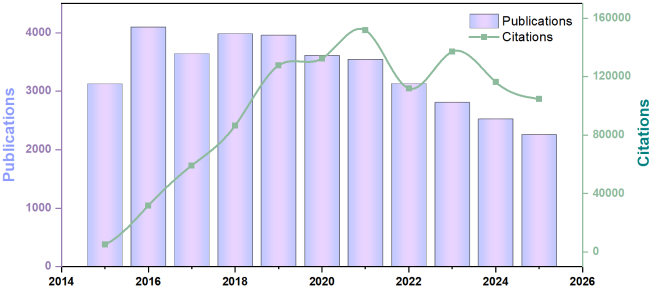
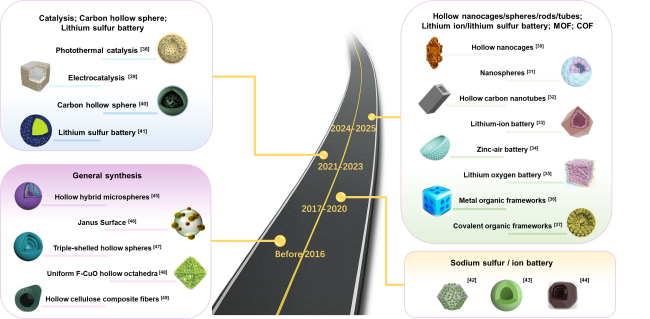
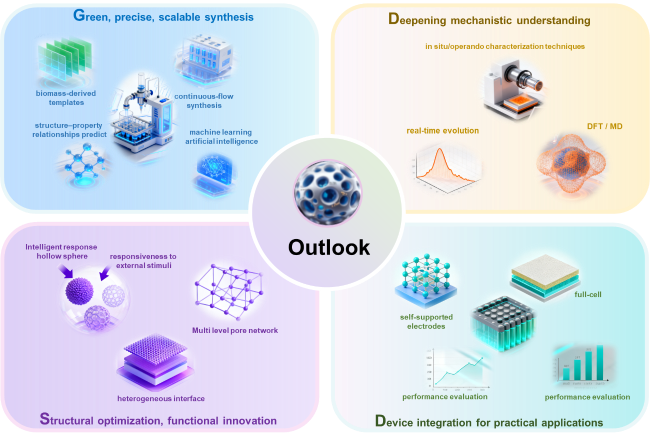
Polymer nanocomposites (PNCs) are considered hybrid materials composed of a synergetic combination of nanoparticles (NPs) and a polymer matrix[1-8]. The constructions of polymers are formed by the combination of monomers, while NPs contribute to enhancing mechanical strength, thermal stability, and electrical conductivity. This combination results in superior physicochemical properties, providing PNCs with a significant advantage over conventional materials due to their higher strength-to-weight ratio, easily customizable product properties, flexible manufacturing processes, and high corrosion resistance. Consequently, PNCs offer multifaceted benefits, including greater efficiency, sustainability, and performance[9]. PNCs are designed based on the principles of size and surface area, forming a unified system with higher reactivity. The enhanced surface-to-volume ratio of nanofillers enables improved interactions with the polymer matrix, leading to superior overall performance[10]. There are two types of polymers available: natural and synthetic. Natural polymers are water-based and naturally occurring materials that are extracted for use, such as silk, wool, DNA, cellulose, and proteins. In contrast, synthetic polymers are artificially synthesized materials such as nylon, polyethylene, polyester, Teflon, and epoxy. The selection of the polymer type in PNCs significantly influences their final properties and application scope.[11] For example, natural polymers like chitosan-based nanocomposites are often used in biomedical applications due to their biocompatibility and antibacterial properties, making them suitable for wound dressings and drug delivery systems, [12] whereas synthetic polymers like polypropylene (PP)-based nanocomposites offer excellent chemical resistance and durability, making them ideal for structural components in automotive and packaging industries. Over the past decade, recent breakthroughs have been made in this field, stimulating new insights and methodologies, as depicted in Fig. 1.
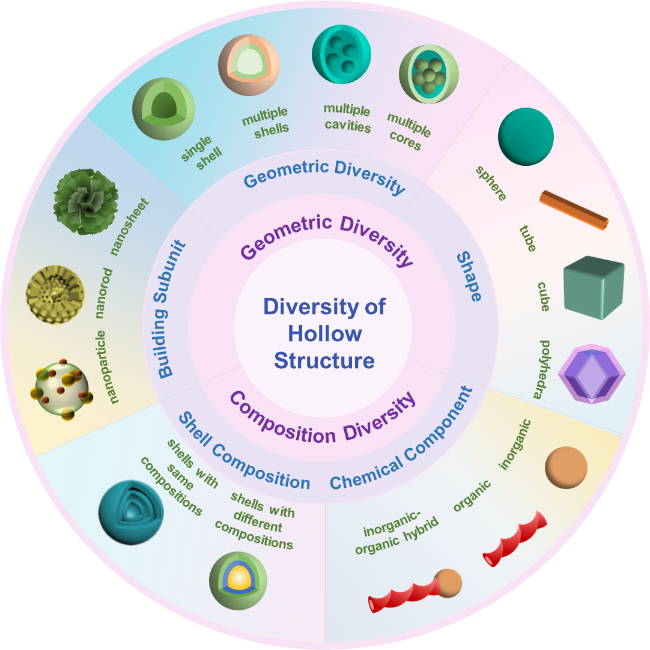
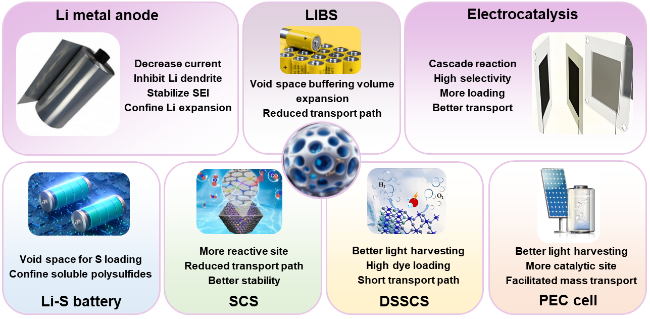
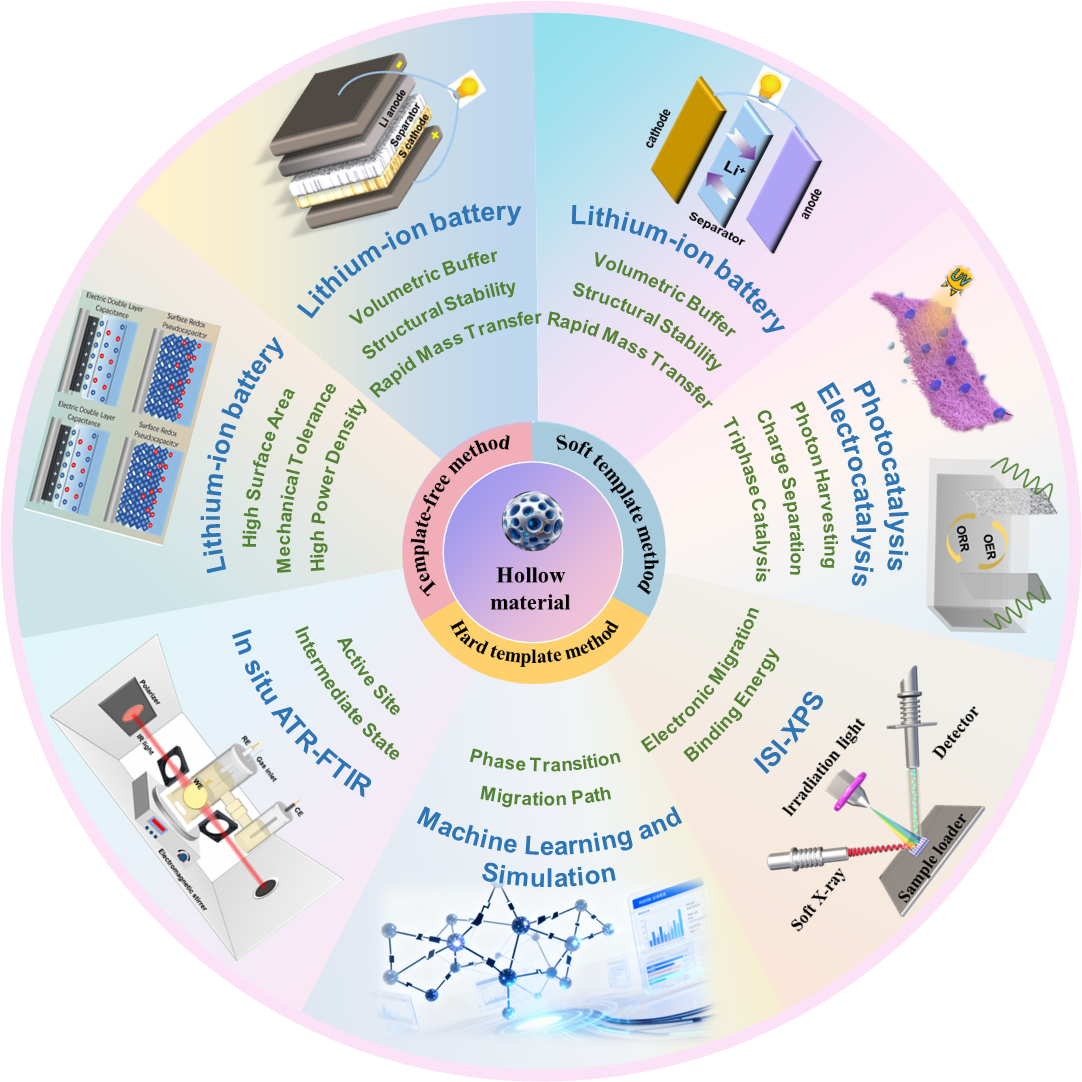
In this review, we comprehensively discuss the relationship between chemistry and physics, fabrication routes, and a multitude of characterization techniques across PNCs as outlined in Fig. 2.
Fig.1. Overview of the PNCs in the last decade.
Fig. 2. The overview of synthetic methods, advanced characterization, and physicochemical properties of PNCs.

2. Chemical and Physical Properties of PNCs

Based on the interfacial interactions that occur in PNCs, two are classified into filler-polymer and filler-filler interactions. The nature of these interactions plays a critical role in defining the dispersion, mechanical reinforcement-these are a large aspect ratio; good dispersion; alignment; and interfacial stress transfer, and overall stability of the nanocomposite system. This is crucial in order to optimize composite strength and stiffness.[13] Interfacial stress transfer is a key factor influencing the mechanical properties of PNCs, as it governs the efficiency with which an applied load is transferred from the polymer matrix to the dispersed nanofillers. This process depends on the surface chemistry of the fillers, polymer-filler adhesion, and interfacial bonding strength. Functionalization of nanofillers, such as grafting with compatible polymer chains or incorporating chemical linkers, enhances adhesion and promotes efficient load transfer, reducing stress concentrations and improving durability.[14] Furthermore, the overall stability of PNCs is influenced by a combination of thermodynamic compatibility, interfacial energy, and processing conditions. Strong interfacial interactions prevent phase separation and ensure long-term structural integrity, which is essential for maintaining consistent mechanical performance under varying environmental conditions. The interplay between these factors determines the final properties of PNCs, making precise control of interfacial interactions a crucial aspect of material design and optimization.[15]
From a physical perspective, PNCs demonstrate improved mechanical properties, including increased tensile strength, modulus, and impact resistance, attributed to strong interfacial interactions between the polymer matrix and the dispersed nanofillers. Additionally, their enhanced thermal properties, such as higher thermal conductivity and stability, make them suitable for applications in extreme environments. The electrical properties of PNCs can also be tuned by selecting appropriate nanofillers, allowing them to function as conductive materials for energy storage and electronic devices. Moreover, their barrier properties, crucial for packaging and protective coatings, are significantly improved due to the incorporation of nanoscale reinforcements. Chemically, PNCs offer remarkable chemical resistance to aggressive solvents, oxidation, and environmental degradation. The chemical stability of PNCs is largely influenced by the nature of nanofillers and their interaction with the polymer matrix. Functionalization of nanofillers further enhances interfacial adhesion, dispersion, and reactivity, leading to tailored chemical performance. This controlled modification enables applications that require specific chemical functionalities, such as biomedical coatings, drug delivery systems, and chemical sensors.
PNCs have garnered significant attention for their ability to bridge intrinsic material properties with a wide range of practical applications. They are extensively utilized across diverse fields, including energy storage and conversion, environmental sustainability, biomedical engineering, and biosensing. In the energy sector, PNCs are utilized in lithium-ion batteries, supercapacitors, and fuel cells due to their excellent electrical conductivity and mechanical integrity. Their potential in environmental applications includes water purification membranes, air filtration systems, and biodegradable polymers, which address sustainability challenges. Furthermore, in the biomedical field, PNCs are widely employed in drug delivery systems, tissue engineering scaffolds, and antimicrobial surfaces, benefiting from their biocompatibility and controlled release properties. Lastly, their enhanced sensitivity, selectivity, and stability make them highly effective materials for biosensor development, enabling precise detection of biomarkers and contaminants.
As research in PNCs continues to progress, advances in nanofiller integration and polymer engineering are expected to further enhance their tunability, unlocking new applications across a broad range of disciplines. This review provides a comprehensive overview of the physical and chemical properties of PNCs and their impact on emerging technologies in energy, environmental, biomedical, and biosensor applications.[16] PNCs exhibit superior performance enhancements, including improved mechanical strength, thermal stability, and barrier properties, due to the nanoscale interactions between the polymer matrix and nanofillers. However, their fabrication often requires precise processing techniques and incurs higher costs. In contrast, conventional polymer composites are typically more cost-effective and easier to manufacture but offer comparatively limited property enhancements, as indicated in Table 1.[10]
Table 1. Comparison: PNCs vs. Conventional Polymer Composites
Feature PNCs Conventional PNCs
Filler Size 1-100 nm (NPs) >1 µm (micro- or macro-fillers)
Filler Distribution Uniform (better dispersion) Often uneven (agglomeration issues)
Mechanical Properties High strength, toughness, and flexibility Moderate improvement over pure polymers
Thermal Stability Higher due to nanofiller-polymer interactions Limited enhancement
Electrical & Optical Properties Enhanced conductivity, transparency, and optical properties Limited conductivity and optical tuning
Barrier Properties High resistance to gas, moisture, and chemicals Moderate barrier performance
Processing Complexity Advanced dispersion techniques Easier to process
Cost Generally higher More cost-effective
Applications Advanced fields: electronics, biomedical, aerospace Traditional applications: automotive, construction

3. Synthesis Routes and Fabrication of PNCs

The synthesis and fabrication of PNCs involve a variety of techniques designed to ensure optimal dispersion of nanofillers within the polymer matrix, leading to enhanced properties and performance. The choice of synthesis method significantly influences the interfacial interactions, structural integrity, and functional properties of the final material. Several well-established approaches are commonly employed, including in situ polymerization, solution blending, melt compounding, and electrospinning.[17]
In situ polymerization is a widely used fabrication technique in which monomers and nanofillers are simultaneously polymerized, ensuring a strong interfacial adhesion and homogeneous distribution of NPs. The primary advantage of in situ synthesis is its ability to achieve highly uniform dispersion of nanofillers within the polymer matrix, enhancing compatibility and promoting strong interfacial interactions. This method involves polymerizing monomers in the presence of nanofillers, ensuring their uniform incorporation during polymer chain formation. The high level of control over filler distribution enables superior mechanical and functional properties in the final composite material.[18] Nanocomposites of poly (anilineboronic acid) (PABA)-hybrid structure of DNA-functionalized carbon nanostructures (DNA-CNT-NEG) fabrication using in-situ polymerization achieved a highly-ordered and polyconjugated structure with superior electrical conductivity (14300 Sm−1 at 3.0 wt% filler content).[19] In addition, nanocomposite polymethyl methacrylate (PMMA)-noble metal nanoparticles (Pt, Pd, Cu, and Au) have uniform distribution using in situ polymerization and achieve in increasing of tensile strength 18.8% on Pd nanoparticles/PMMA.[20]
Solution blending involves dissolving both the polymer and nanofillers in a common solvent, followed by solvent evaporation to form a well-dispersed nanocomposite structure.[21] Solution mixing is a simple, time-efficient, and cost-effective approach for PNC fabrication. It does not require complex instrumentation or extensive chemical processing, making it an attractive option for producing thin films, coatings, and nanostructured materials with tailored functionalities.[22] Titanium dioxide (TiO2) and α-Vanadyl phosphate (VOP) were mixed with polyaniline (PANI), polypyrrole (PPy), polyindole (PIn), and polycarbazole (PCz) to produce nanocomposite semiconductor with conductivity 1.0028 × 10₋4 Sm−1 for PANI/VOP.[23] Melt compounding is an environmentally friendly, solvent-free process that involves mixing polymer and nanofillers at elevated temperatures to achieve uniform dispersion. This approach is widely adopted in industrial applications due to its scalability, cost-effectiveness, and compatibility with conventional polymer processing techniques.[24], [25] Polycarbonate (PC)/alumina nanocomposites using melt compounding method obtain good optical properties for coating application. The 1 wt% PC nanocomposites has good transmittance at 350 nm that approximately the transmittance of pure PC.[26]
The electrospinning method has emerged as a promising technique for fabricating nanofiber-based PNCs, offering high surface area and tunable porosity, which are crucial for applications in filtration, sensors, and biomedical scaffolds. Electrospinning is a highly versatile method for fabricating nanofiber-based PNCs. It involves applying an electric field to a polymer solution containing dispersed nanofillers, resulting in the formation of ultrafine fibers with a high surface-area-to-volume ratio.[27] For example, Hartati et al. outlines PAN/TiO2/Ag nanofibers membrane that performs well as air filtration media and simultaneously acts as photocatalyst for self-cleaning performance.[28] The composite scaffold collagen/nanohydroxyapatite nanofibers increased the ultimate strength to 5 ± 0.5 MPa and the modulus increased to 230 ± 30 MPa.[29] In addition, poly(ester urethane urea) (PHH) and poly(dioxanone) (PDO) showed an elastic modulus (~5 MPa) with a combination of the ultimate tensile strength (2±0.5 MPa), and maximum elongation (150%±44%) in hydrated condition. Adhikari et. al reported that PHH/PDO composite is comparable to the materials currently being used for soft tissue applications such as skin, native arteries, and cardiac muscles applications.[30]
Other example of PNC synthesis is illustrated in the fabrication of ZnO/FG/chitosan composites using a simple spray-coating method. This study introduced an innovative approach to deposit zinc oxide (ZnO) onto one side of a fiberglass substrate while applying chitosan on the opposite side through spray coating.[31] Spray coating is a technique in which printing ink is propelled through a nozzle to generate a fine aerosol.[32] This method holds significant potential for large-scale production, as it is not restricted by substrate size and requires minimal polymer usage, making it a promising alternative to conventional spin coating.[33] Additionally, spray coating can accommodate a wide range of liquid formulations with diverse rheological properties.[34]
The selection of synthesis and fabrication techniques depends on the desired properties and application requirements of PNCs. Understanding the fundamental mechanisms governing these methods allows researchers to design nanocomposites with improved efficiency, durability, and multifunctionality. This section explores the key synthesis and fabrication strategies, highlighting their advantages, limitations, and potential advancements in the field of PNCs.

3.1 DFT calculations

In the past decades, first-principles calculations based on DFT and molecular dynamics (MD) are the two integral parts that are essentially versatile tools for understanding the behavior of PNCs. Since its early development in the 1990s, DFT has been considered a powerful approach in both quantum and classical theoretical and computational physics to describe the equilibrium morphologies, interfacial interactions, electronic properties, and material design of PNCs.[35] MD simulations complement DFT by introducing a model based on the time-dependent behavior of atoms and molecules, considering the interatomic forces, and offering molecular-level insights into adsorption processes. MD can uncover interactions such as hydrogen bonds, van der Waals (vdW) forces, and electrostatics, critical in assessing adsorbent-adsorbate behavior. In this section, we will also revisit the versatility of such calculation methods towards data-driven high-throughput screening.
Recent breakthroughs related to energy applications are mainly aimed at overcoming the limitations of DFT in handling large-scale systems, complex microstructures, and dynamic processes. Several efforts have shown that highly efficient predictive models with good accuracy for energy-related properties like dielectric breakdown strength and electronic band gaps are pursued extensively.[36]-[38] The significant emerging developments within the past decade are to investigate the optimum interface engineering, high-throughput phase-field modeling, and ultrahigh energy density storage devices.[36] To address these challenges, machine learning (ML) has emerged as a powerful complement approach to DFT, offering a synchronous pathway to overcome its limitations in computational cost and scalability. In combination of DFT-generated datasets and experimental results, the impact of ML models can capture uncovered physical correlations and extend predictive capabilities beyond the reach of conventional simulations. This integration not only accelerates property prediction with high accuracy but also provides a framework for linking quantum-scale calculations to mesoscopic structures and device-level performance. For instance, ML is being integrated with DFT to bridge the gap between quantum-scale calculations and macroscopic material properties.[39]-[43] Shen et al. introduce the integrated phase-field model to simulate the dielectric response, charge transport, and breakdown process of PNCs.[38] The incorporated ML strategy on 6615 high-throughput calculation on the composite of P(VDF-HFP)/Ca2Nb3O10 to display prominent discharged energy density nearly doubles to 35.9Jcm−3 compared with the pristine polymer. This, in turn, is governed by the improved breakdown strength of 853MVm−1.[38]
In terms of understanding the impact of nanofiller effects, a representative case of a microstructural diagram on the breakdown process of the PNCs is illustrated in Fig. 3a-h. To rationalize the finding, the proposed electron avalanche model is presented for random NPs and vertical nanofibers (v-nf) in Fig. 3i and 3j, respectively. DFT is also useful to unveil the interaction mechanism between filler and its corresponding polymer, for instance, the case of carbon nanotube (CNT)-modified nanocomposite and pyrolyzed polyacrylonitrile (PPAN) studied by Zaporotskova et al. The finding indicated that strong sorption interaction between the CNT and PPAN matrix enhances tensile strength, electrical conductivity, and thermal stability.[44] Their DFT calculations are performed based on the Becker-Lee-Yang-Parr (B3LYP) function and the 6-31G basis. Zhu et al. reported that the impact of hydrogen bonding interaction arose between polylactic acid-graphene-microcrystalline cellulose PLA-GN-MCC and PANI composite (Fig. 3k) contributed to the interface affinity enhancement and simultaneously total surface energy reduction, achieving superior electrochemical capacitance increased from 2.72 to 3.72 up to 221.64 mF/cm2.[45] The Perdew-Burke-Ernzerhof (PBE) generalized gradient approximation (GGA) functional is used to optimized the geometric structures taken into account the Grime long-range dispersion correction. This is in turn governed by the core-shell structure illustrated in Fig. 3l. and the generation of hydrogen bonding (Fig. 3m).
Fig. 3. DFT of PNCs for energy applications. (a) Microstructural diagram of PNCs with random NPs, (b) Vertical nanofibers, (c-f) Corresponding breakdown paths under different applied electric fields, (g, h) The distributions of the local electric field (i, j) Schematic outline of electron avalanche modes in respective cases, reproduced with permission from Ref.[38], copyright © 2025 Springer Nature.; (k) Illustration of PLA-GN-MCC/PANI composites, (l) Core-shell structure of PLA-GN-MCC/PANI composites, (m) Schematic representation of hydrogen bonding in the PLA-GN-MCC/PANI molecular structure model, reproduced with permission from Ref.[45], copyright © 2023 Elsevier Ltd; (n, o) Snapshot of poly-AM adsorbed on the MMT surface after 3.0 ns of MD simulations at 275 K, 50 MPa, reproduced with permission from Ref.[46], copyright © 2023 Royal Society of Chemistry.
The ML algorithms could also serve as a versatile tool to identify the optimal nanofiller concentrations, dispersion patterns, and polymer matrices to achieve emerging enhanced thermal conductivity or mechanical properties. Qu et al. reported that anionic polyacrylic acid (PAA) nanocomposites exhibited the strongest adsorption affinity among various tested polymers.[12] In this study, nonionic polyacrylamide (PAM) displayed the amide groups and hydrogen bond donor are pointing downward and upwards, respectively (Fig. 3n). Such short amide surface distance (0.4 nm) was associated to the substantial contributions from vdW forces (Fig. 3o). Liu et al. proposed that thermal conductivity of single-filler polymer composites can be modelled using four ML regression algorithms: random forest regression (RFR), gradient boosting decision tree (GBDT), extreme gradient boosting (XGBoost), and Gaussian process regression (GPR). The finding showed that filler volume fraction and polymer matrix thermal conductivity contributed to the outcome of thermal conductivity of PNCs, while the thermal conductivity of the filler agent had a lesser contribution.[42] Champa-Bujaico et al. displayed that accurate prediction of mechanical properties can be realized with low computational effort in a multiscale poly(3-hydroxybutyrate) (P3HB)-based nanocomposite reinforced with different concentrations of multiwalled carbon nanotubes (MWCNTs), WS2 nanosheets (NSs), and sepiolite (SEP) nanoclay. For instance, the mechanical stiffness was enhanced up to 132% upon addition of 1:2:2 wt% SEP:MWCNTs:WS2.[40]
In the aspect of environmental remediation, DFT plays a role in estimating theoretical band structures, charge-density distributions, and adsorption energies in predicting the pollutant interactions on PNC membranes. For example, Reis et al. focused on the study of polymer-cellulose and cellulose acetate-based adsorbents for metal ions (Cd2+, Cu2+, and Cr3+).[47] The findings indicated that strong interactions occurred in which cellulose-Cr3+ showed the shortest interaction distances with the highest interaction energies. Chen et al. used DFT to investigate the adsorption and degradation of ronidazole on TiO2 surfaces.[48] The optimized geometric structure is simulated using the B3LYP functional and subsequently treated by van der Waals corrections. It turns out that the corresponding study revealed that stable adsorption configurations and structural changes promoted the chemical adsorption and hydrogen bonding. Moreover, the activation of C-N bond in the imidazole ring facilitated photocatalytic degradation. In recent literature, integrated computational and experimental studies have successfully demonstrated how polymer functional groups modulate pollutant adsorption performance. For example, Hernández et al. investigated chitosan cross-linked with 1, 3-dichlorocetone and showed that its -NH₂ and -OH functional groups markedly enhance the removal of heavy metals (Pb, Zn, Cr). Experimentally, metal concentrations were reduced to below 0.05 mg/L, while DFT modeling revealed reduced HOMO-LUMO energy gaps and enhanced dipole moments (0.01485 eV gap for Pb) that explain the high binding affinity.[49] Another noteworthy example is the study by Meshkat et al., who combined DFT calculations and adsorption experiments to explore arsenite (As³⁺) removal by nitrogen-doped carbon nanotube composites.[50] Townsend et al. carried out MD simulations to examine the pollutant adsorption onto microplastics, highlighting that hydrocarbon pollutants such as PFAS and PPCPs primarily adhered via noncovalent interactions in saline environments.[51] ML recently emerged as a powerful approach in the development and optimization of polymeric nanocomposites for water purification. By employing algorithms like artificial neural networks (ANNs), ML enables predictive modeling of nanocomposite behavior under varying conditions. Syah et al. demonstrated an ML-based model using layered double hydroxide/ metal organic frameworks (LDH/MOF) nanocomposites to predict molecular separation during adsorption processes. The ANN model achieved outstanding predictive accuracy with determination coefficients (R2) exceeding 0.99 in both training and validation stages, outperforming traditional modeling methods.[52]
The implementation of the theoretical approach in hydrogel composites has shown their tremendous contribution in the past decade.[53], [54] Moghadam et al. conducted a gelation experiment on incorporated nanoclay polymer gel (PG). The analysis of variance (ANOVA) was implemented to evaluate the quadratic model and depicted an R-Squared value of 0.99 when compared with actual results. This indicates that nanoclay has proven as a decisive component that could affect the gelation time significantly.[54] In a similar approach, Mohammadi et al. conducted a swelling experiment on conventional and nanocomposite gels. The validated ANOVA suggested a promising statistical significance (P ≤ 0.0001). In addition, by increasing nanoclay concentration, the swelling degree of the gel was reduced. Recent findings by Wang et al. outlined the importance of central composite design in copolymerized acrylamide, acrylic acid, and cross-linker into a self-degradable hydrogel by free radical polymerization. It turns out that gel strength is heavily influenced during the degradation process. Wang et al used the second order polynomial and fitting the response model degradation time. The results are represented by coded values (A, B, C, and D) where A is the copolymer, B is the cross-linker, C is the ammonium persulfate as the initiator, D is the reaction temperature, and AB, AC, AD, BC, BD, and CD are the interaction terms between the factors, respectively. The results of the fitting statistics have 154.37 of mean, 10.56 standard deviation, 6.84 coefficient of variation and R2 = 0.9902. In addition, the ANOVA results is presented in Table 2.[55] Further analysis of three-dimensional (3D) surface plots as a response of surface methodology represents the effect of each experimental factor on the response depicted in Fig. 4a. The degradation time of the gel prolongs as the copolymer content increases, leading to densely populated hydrogels. This is exemplified by the 3D surface plots and contour plots between degradation time depicted in Fig. 4b and 4c, respectively. A recent review highlighted the fabrication of nanocomposite hydrogel provide a standing point into this subject, covering fundamental aspects and state-of-the-art in enhanced oil recovery.[55]
Table 2. ANOVA for Response Surface Quadratic Model[55]
Source Sum of square df Mean square F-value p-value
model 1.689×10⁵ 14 12,062.42 108.15 <0.0001
A 85,323.38 1 85,323.38 764.97 <0.0001
B 0.375 1 0.375 0.0034 0.9545
C 5192.04 1 5192.04 46.55 <0.0001
D 64,170.04 1 64,170.04 575.32 <0.0001
AB 18.06 1 18.06 0.1619 0.6931
AC 798.06 1 798.06 7.16 0.0173
AD 27.56 1 27.55 0.2471 0.6263
BC 18.06 1 18.06 0.1619 0.6931
BD 390.06 1 390.06 3.5 0.0811
CD 217.56 1 217.56 1.95 0.1829
residual 1673.08 15 111.54 - -
Other study by Youssef et.al investigates the mechanical behavior of PEO/SiO2 polymer nanocomposites through atomistic MD simulations, focusing on temperature and strain rate affect the elastic properties, including Young’s modulus and Poisson’s ratio. The tensile deformations were performed under different thermal conditions, spanning temperatures from 150 K to 400 K, using two different strain rates, 1.0 × 10⁻⁵ fs−1 and 1.0 × 10⁻⁶ fs−1. In this study, the standard deviation is used to quantify the variation in local strain distributions within the PEO/SiO2 nanocomposite under different strain rates and temperatures. The probability distribution function P(ε) of local strain is computed for specific global strain values (0.03, 0.06, 0.09) and shifting from narrow peaks that broaden as global strain increases, indicating increased the heterogeneity. Lower strain rates and higher temperatures lead to higher standard deviation values, reflecting greater variability in local strain, while higher strain rates and lower temperatures result in smaller standard deviations, indicating more uniform strain distributions.[57]
DFT in biomedical research serves as a theoretical tool to unravel detailed atomic-level insights into material and molecular interactions. In drug delivery, DFT predicts binding affinities, adsorption sites, and electronic properties of drug-carrier complexes, enabling improved loading efficiency, stability, and controlled release.[56]-[59] In tissue engineering and wound healing, DFT elucidates the chemical behavior, biocompatibility, and reaction mechanisms of biomaterials while assessing mechanical properties, structural stability, and binding interactions critical for therapeutic performance.[60]-[63] Furthermore, in bioimaging, DFT investigates and optimizes the structural, electronic, and optical properties of NPs, revealing molecular interactions, band gap modifications, and charge transfer processes that enhance fluorescence, photostability, and imaging resolution. [64], [65] For example, Adekoya et al. incorporated graphene oxide (GO) into poly(ethylene glycol) (PEG) to form a GO/PEG nanocomposite as a drug delivery substrate for the antibiotic drug cephalexin (CEX).[60] The GO and PEG structures are modelled based on B3LYP exchange−correlation with the DNP basis set. Upon CEX adsorption, the variation in terms of the pristine reduced density gradient (RDG)[66] isosurface is quite distinct compared to the GO/PEG−CEX complex (Fig. 4d), depicting strong hydrogen bonding that governs the binding of the drug to the nanocarrier at three different binding sites (Fig. 4e). In terms of biosensing applications, Kumar et al. proposed that theoretical results on poly(3, 4-ethylenedioxythiophene) (PEDOT) composites (MoS2/PEDOT: PSS) composites unveiled the adsorption feasibility of volatile organic compounds (VOCs). The integration onto predefined electrodes acting as sensors and corresponding layered structures is shown in Fig. 4f. The interaction dynamics profile between these compounds and the substrate implies that acetone does not strongly bound compared to ethanol, however, the adsorption profile is still favorable, making it a viable candidate for gas sensing such as propanol, toluene, and hexane is summarized in Figure (4g-i).
Fig. 4. DFT of PNCs for petroleum, biomedical, and sensing applications. (a) Comparison between predicted and actual value of gel degradation time. Blue to red indicates a degradation time of 12~301 h, (b, c) 3D surface plots and contour plots between degradation time revealed the interactions between copolymer and crosslinker, reproduced with permission from Ref.[67], copyright © 2024 ACS Publication; (d) RDG isosurface map of noncovalent interactions of GO/PEG−CEX composites, (e) The optimized geometric structure outlining where the color bar associated to different interaction outcome, reproduced with permission from Ref.[60], copyright © 2022 ACS Publication; (f) schematic of MoS2-PEDOT:PSS sensor devices and the corresponding composite layered structures, (g) propanol, (h) toluene, and (i) hexane on an oxygen pre-adsorbed EDOT:SS/MoS2 (002) substrate, reproduced with permission from Ref.[68], copyright © 2024 ACS Publication.
In summary, DFT and advanced simulations provide a theoretical foundation to essentially predict not only the optimal polymer structure but also how the polymer and filler interact. These interdisciplinary strategies highlight a shift toward computational and data-driven methods in advancing PNCs towards next-generation optic or electronic-based devices with high performance and scalability. While DFT calculations able to provide molecular-level insights into the electronic structure, interfacial interactions, and energetics of polymer-nanofiller systems, these predictions must be complemented by experimental characterization techniques, which reveal the corresponding structural, morphological, and functional properties of PNCs at the macroscopic scale.

4. Characterization Tools

A comprehensive understanding of PNCs requires advanced characterization techniques beyond conventional methods such as scanning electron microscopy (SEM) and X-ray diffraction (XRD). Emerging analytical tools offer deeper insights into the nanoscale morphology, dispersion states, interfacial interactions, and dynamic behavior of PNCs, enabling a more precise correlation between structure and their physicochemical properties. This section explores unique and sophisticated techniques that provide a multidimensional perspective on PNC architecture and functionality.[69] The advanced characterization techniques are classified not only based on X-ray and optical operations, but also as a comprehensive approach to analyze the structural, chemical, and morphological properties of PNCs in situ or ex situ.

4.1 In Situ Characterizations

Several in-situ approaches are indispensable towards the multi-scale, real-time, and chemically sensitive characterization of PNCs, providing insights into their structure-property relationships and deformation mechanisms. These cover a multitude of advanced microscopies, spectroscopies, and X-ray-based techniques, namely, high-resolution transmission electron microscopy (TEM), atomic force microscopy-infrared (AFM-IR), in-situ simultaneous small and wide-angle X-ray scatterings (SAXS and WAXS), In-situ SEM with tensile stages. The following section provides a concise overview of these techniques and their relevance in PNCs research.

4.1.1 High-Resolution TEM

TEM provides detailed atomistic imaging of the PNC’s microstructure at very high spatial resolution, allowing direct visualization of individual nanofillers and their dispersion within the polymer matrix at the sub-nanometer scale. TEM offers reveals fine morphological features and internal interfaces but requires complex sample preparation and operates under vacuum conditions. Recent advancements in TEM instrumentation have focused on enhancing its spatial resolution, 3D imaging, and real-time analysis of interfacial dynamics. To name a few of the breakthroughs: Site-specific glass transition using fluorescence-based TEM of polymer-nanofiller interphases. By localizing fluorescent dyes within adsorbed polymer layers, researchers correlated Tg variations with layer thickness in polystyrene-silica nanocomposites.[70]-[72] This technique revealed how nanoparticle (NP) interfaces alter local polymer dynamics, providing insights into mechanical and thermal properties. To some extent, the combination of electron tomography with TEM enables the projection of 3D and four-dimensional (4D) or visualization of complex polymer morphologies, such as block copolymer gyroid structures and semicrystalline polymer lamellae. This approach overcomes limitations of two-dimensional (2D) imaging, resolving nanoscale spatial distributions critical for understanding mechanical and gas-barrier properties.[73]-[75] Though more common in inorganic nanocomposites, in situ TEM nanomechanical testing has been applied to study mechanical behavior enhancements, such as toughness improvements due to NP encapsulation or structural changes under mechanical stress. This method provides real-time observation of deformation mechanisms at the nanoscale in polymer-based composites. Cryogenic-TEM protocols are adapted to minimize radiation damage in soft PNCs. This enabled high-resolution imaging of organic-inorganic interfaces in hydrated or thermally sensitive systems, preserving delicate morphologies. Low-dose focal series reconstruction is considered a further extension of TEM mode that achieves submolecular resolution imaging associated with defects, grain boundaries, and distortions in the crystalline lattice of PNCs.[76]
In dealing with polymer-based samples, the major limitation of in-situ TEM technique is mainly related to the weak contrast originating from the low atomic number of light element (carbon or nitrogen).[73] A weak interaction at the interfaces resulted the minimum difference in electron scattering between polymer matrix and filler materials. This could even worse if the bond breakage or undesired cross-linking and led to the composition alteration or breaking the polymer chains during the experiment. Consequently, the reduced capability to identify the precise interfacial width or the extent of polymer-filler interaction zones creates an intricate challenge, in particular, when the corresponding fillers are contained low atomic number or fully-dispersed. To minimize dose for imaging, one alternative is to use focused ion beam for site-specific imaging capability.[75]

4.1.2 In Situ Scanning Electron Microscopy

Conventional SEM is typically able to monitor dynamic processes (deformation, crack propagation) at micro/nano scales of PNC under mechanical/thermal stimuli. To date, further development in SEM allows for the combination of in-situ tensile stages examination that is capable of demonstrating real-time observation of morphological and structural changes in PNC under mechanical loading.[77] These specific stages are incorporated with SEM and other imaging methods to correlate mechanical properties with microstructural evolution during deformation. A study by Delp et al. on electrospun polycaprolactone (PCL) fiber scaffolds investigated using advanced in situ tensile testing inside an SEM. This work successfully demonstrates tensile deformation in real-time within the SEM to understand fiber response at the nanoscale.[78] In addition, in-situ SEM combined with electron backscatter diffraction (EBSD) and electron channeling contrast imaging (ECCI) can monitor deformation-induced phase changes, dislocation activities, mechanical twinning, mapping strain localization, and texture evolution in PNCs.[79], [80]

4.1.3 Atomic Force Microscopy-Infrared Spectroscopy

AFM-IR, a scanning probe-based technique that combines chemical analysis at the nanoscale with resolutions down to 10 nm. This combined technique is potentially appealing towards the complementary investigation of nano- and microscale biological processes. In-situ AFM nanomechanical methods enable direct visualization of micromechanical behaviors and stress distributions at the nanoscale during deformation, revealing local reinforcement mechanisms, heterogeneity, and degradation in PNCs.[81]-[85] Such technical integration promotes the high-resolution chemical mapping at the nanoscale, revealing spatial variations in filler distribution, polymer crystallinity, and interfacial bonding. Photothermal AFM-IR combines the high spatial resolution of AFM with infrared absorption spectroscopy, enabling chemical characterization at nanometer precision.[86] This technique is particularly valuable for analyzing interfacial interactions and phase distributions in complex PNC architectures. Initially, high-resolution analysis using AFM was limited to samples that were intrinsically smooth or could be processed using a restricted range of techniques to achieve damage-free, smooth surfaces. This study presents a novel approach for nanoscale characterization of PNCs using surface techniques, which is crucial for understanding the structure-property correlations in these complex material systems. A PNC was prepared using a gas cluster ion beam (GCIB), consisting of PMMA or polystyrene (PS) confined within 7 nm diameter pores of an organosilicate matrix. After GCIB preparation, the exposed nanocomposite surface exhibited an average roughness of 0.3 nm, comparable to spin-coated films, making it well-suited for high-resolution AFM characterization. AFM-IR spectroscopy revealed no significant chemical damage to the polymer composite after GCIB etching, while nanomechanical analysis confirmed that the measured mechanical properties aligned with expectations from bulk measurements. Furthermore, AFM-IR successfully identified extensive hydrogen bonding between the carbonyl groups of PMMA and the surface silanol groups of hydroxylated organosilicate.[87] The key limitations of AFM-IR when probing polymer nanocomposites that needs to consider: Tedious measurement time and undesired artefacts, substrate effects, sample preparation constraint, complexity in data interpretation. For instance, the spatial resolution of the technique is limited by the AFM tip size and thermal sensitivity, which can limit probing of very small nanoscale features. Another consideration is that chemical characterization related to the phase separation, and crystallization at the nanoscale require careful interpretation due to overlapping signals and complex microstructures.[88]-[92]

4.1.4 Small, Wide, and Ultra-small Angle X-ray scattering

Small-angle X-ray scattering (SAXS), wide-angle X-ray scattering (WAXS), and ultra-small-angle X-ray scattering (USAXS) provide statistical and structural information on NPs and their aggregates over a broad range of length scales within a representative volume of the material. These in-situ techniques reveal particle size distribution, filler network structure, and hierarchical organization in nanocomposites, complementing microscopy data for a comprehensive characterization of PNCs.[93], [94] SAXS and USAXS enable the characterization of structures across multiple length scales, from nanoscale filler dispersion to mesoscale aggregation. This understanding is essential for optimizing nanocomposite properties, such as mechanical reinforcement, thermal stability, and transport behavior, by tailoring filler distribution and interfacial interactions.[95] In general, SAXS technique provides useful information regarding the structure of heterogeneous substances on the micro- or nanometer scale, irrespective of sample shape, such as solid, liquid, or any two-phase sample. In other words, the actual particle size distribution of nanofillers can be deduced, while WAXS assesses the crystalline state of the sample or phase transitions in real time (for example, during heating or mechanical loading).[96], [97] Two respective cases Kamal et al.[98] and Giuntini et al.[99] outlines the success of in-situ simultaneous SAXS and WAXS to determine the evolution of dispersion of nano-fillers upon uniaxial deformation. The latter demonstrated strains within the NPs of the order of ~0.1% probed by WAXS, and the SAXS found mesoscale strains in the superlattice of ~1−3%, indicating the organic phase encounters larger deformations (~10%).[99] Another case on thermal and mechanical loading of 15 % w/w polyvinylidene fluoride (PVDF)-Fe3O4 NP nanocomposite yielded the incremental changes in terms of the PVDF fibers orientation being greater than that in the nanocomposites, due to the fact that the NPs prohibit the orientation of the polymer chains.[100]
A complement approach is crucially important to fairly compare computational results and actual performances, we therefore present several studies associated to the ML applications and their experimental validations. Wang Chen et al. propose a non-negative matrix factorization-based pan-sharpening (PSNMF) machine learning method to interpret noise found in TEM energy dispersive X-ray spectroscopy data in PNC, improving phase separation and quantification.[101] Wang et al. developed ML-driven interfacial modeling and dielectric property prediction in PNCs in which experimental data collected in TEM and SAXS can be used for validation and interpretation.[102] Biran et al. used transmission electron microtomography (TEMT) for 3D structural observations of PNCs with sub-nanometer resolution. This technique successfully combined ML-based image analysis that enables quantitative 3D morphology characterization, including hierarchical structures and phase separations.[76] Röding et al. introduce ML-accelerated small-angle X-ray scattering analysis of disordered two- and three-phase materials" develops a machine learning framework using Gaussian Random Fields to model materials and predicts microstructural parameters from SAXS data.[103]
It is largely understood that SAXS is a powerful and statistically relevant technique for characterizing nanoparticle size, distribution, and hierarchical structure in PNCs, its main limitations are the need for model-based data interpretation, inability to provide local structural details, signal attenuation at high temperature, reduced sensitivity to low contrast systems, necessitating complementary use of microscopy and other methods for comprehensive analysis. For instance, the image contrast limitation is heavily influenced by the differences in electron density (electron contrast) between nanofillers and the surrounding polymer matrix. In the scenario when the electron density difference is very low, then the nanofillers and polymer share similar scattering length densities. Thus, the scattering intensity becomes weak, making it difficult to detect or distinguish the nanofillers. This can obscure the filler core in SAXS patterns, complicating size and distribution analysis.

4.1.5 X-ray Photoelectron Spectroscopy with Depth Profiling

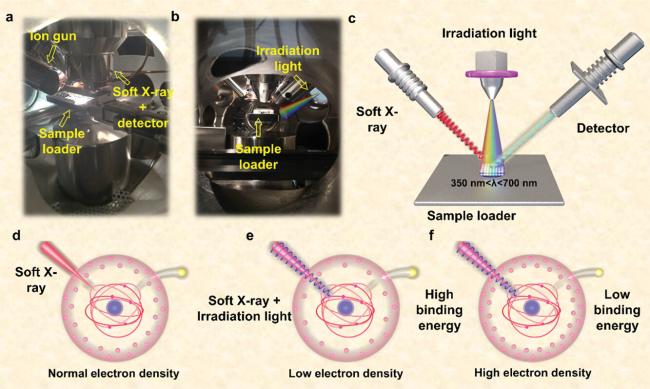
X-ray Photoelectron Spectroscopy (XPS) combined with ion-etching depth profiling enables precise chemical analysis of polymer-nanofiller interfaces. This method is particularly useful for understanding surface functionalization, interfacial bonding, and elemental distribution across multilayered PNC structures. The light-matter process works by irradiating a sample with specific monochromatic X-rays with the soft X-ray range (200 eV to 2 keV).
Fig. 5 illustrates the preparation and characterization of cellulose nanocrystal (CNC)-crosslinked shape-memory PNCs. The nanocomposites were synthesized through the condensation reaction of PCL and PEG-based prepolymers with CNCs. The hydroxyl groups on the CNC surface participated in the condensation process, leading to either physical or chemical crosslinking with polyurethane chains. To analyze the nanocomposites, XPS was used to examine the main chain elements and carbon-based bonds. As expected, carbon and oxygen were the primary elements detected. The high-resolution C1s spectra revealed that the chemically crosslinked sample had a higher O-C=O content than the physically crosslinked one, confirming the successful condensation reaction between CNCs and the prepolymers.[104] This results in the emission of photoelectrons whose energies are characteristic of the elements within the sampling volume.[105]

4.1.6 Neutron Scattering Techniques

Small-angle neutron scattering (SANS) and neutron spin echo (NSE) provide high sensitivity in analyzing nanostructure evolution, polymer chain dynamics, and the spatial distribution of nanofillers.[106] It can provide information on the size, shape, and structure of polymers as well as associated thermodynamic quantities. These methods are particularly useful for investigating self-assembled architectures and filler-polymer interfacial behavior in soft matter systems.[107] SANS has been widely used to study the structural evolution of various materials, including polymers, PNCs, alloys, and biological systems. A notable application of SANS was in confirming Paul John Flory’s theory on the Gaussian coil conformation of polymer chains, contributing to his Nobel Prize in 1974.[108] SANS has been applied in PNCs to investigate microstructure-property relationships, such as in filled silicone rubber, where contrast variation and time-resolved Rheo-SANS revealed interactions between the matrix, interface, and filler networks.[109] Additionally, SANS has been used to analyze hydrogels, providing insights into microstructural evolution under temperature changes and aiding in the design of functional materials. Other studies have employed SANS to confirm surface fractal structures in hydrogels and to examine phase homogeneity.[110] More recently, SANS has been instrumental in studying the structural evolution of lithium anodes in advanced battery technologies.[111]
Fig. 5. Shape memory process of PEG-PCL-CNC thermo-responsive nanocomposite. (a) The scheme showing the synthetic route for the PEG-PCL-CNC nanocomposite. XPS survey spectra of the (b) physically cross-linked nanocomposite and (c) chemically cross-linked nanocomposite PEG(60)-PCL(40)-CNC(10). Figs. (a) - (c) reproduced with permission from Ref.[104] Copyright © 2015 American Chemical Society.

4.2 Ex-situ Characterizations

Several conventional ex-situ methods offer a multitude of aspects to complement the previous discussion. The overview focused on nuclear magnetic resonance (NMR) spectroscopy, fluorescence lifetime imaging microscopy (FLIM), tip-enhanced Raman spectroscopy (TERS), positron annihilation lifetime spectroscopy (PALS), and gas chromatography (GC).

4.2.1 Solid-state nuclear magnetic resonance spectroscopy

The high sensitivity of the solid-state NMR spectrum, along with relaxation factors affecting the polymer chain, promotes solid-state NMR as an efficient technique for analyzing polymer filler interfaces. This spectrum differentiates the polymer interactions at the interface compared to the bulk phase. In both pristine polymers and their nanocomposites, the relaxation period exhibits a two-component decay. However, in the case of pristine polymers, the longer component is directly related to temperature, as the motion of polymer chains is strongly influenced by temperature. In contrast, for nanocomposites, temperature has a lesser effect on chain mobility compared to uncontaminated polymers. This is due to the interaction between the filler and the polymer chain, which restricts the movement of the polymer chains.[112]
Solid-state NMR is useful for investigating the effects of temperature and nanocomposite composition on the dynamic performance of ionic species (i.e., the inorganic phase) and polymer chains (i.e., the organic phase). Souza et al. utilized solid-state NMR to optimize the synthesis conditions for lithium-doped siloxane-poly(propylene glycol) nanocomposites and to obtain insights into their microscopic molecular performance. The study revealed that the thermal and electrical performance of solid electrolytes depends on the movement of these species, and conductivity is facilitated through the segmental motion of polymer chains.[113] Additionally, NMR has found extensive applications in the characterization of liquid polymer electrolytes, [114], [115] solid polymer electrolytes, [116] and PNC electrolytes for lithium-based energy sources developed in recent years.[117]

4.2.2 Fluorescence Lifetime Imaging Microscopy

Fluorescence microscopy and FLIM are powerful microscopy techniques for investigating and uncovering information on micro- and nanometer length scales. FLIM is an advanced optical technique that maps fluorescence decay kinetics, providing insights into molecular interactions, polymer degradation, and filler dispersion. Its ability to monitor dynamic changes in PNCs makes it valuable for studying material response under mechanical or environmental stress.[118]-[120] FLIM allows for determining the fluorescence decay lifetime of dyes covalently attached to polymer chains, which varies with polymer chain mobility and confinement within the nanocomposite matrix. For example, Vu et al. discussed the CNC polymer composites, where distinct fluorescence lifetimes corresponded to regions of differing polymer chain dynamics, reflecting variations in local polymer mobility and interfacial interactions. This allowed differentiation of PNCs based on how the polymer chains interact with nanofillers and the degree of confinement.[119]

4.2.3 Raman Imaging & Tip-Enhanced Raman Spectroscopy (TERS)

Raman imaging is a non-destructive surface technique that offers spatially resolved chemical composition analysis, while TERS enhances Raman signal detection at the nanoscale using a localized electromagnetic enhancement at the apex of a sharp metallic tip. TERS achieves spatial resolution down to approximately 10-30 nm, which is about an order of magnitude superior to the diffraction-limited resolution (~200-300 nm) of normal Raman microscopy.[121]-[123] The tip is scanned across the sample surface in a raster pattern, generating Raman maps with nanoscale chemical contrast that reveal local composition, molecular orientation, and nanoscale heterogeneities in PNCs. This technique provides crucial insights into polymer-filler interactions, molecular orientation, and stress-induced structural modifications in PNCs.[124]-[130]

4.2.4 Positron Annihilation Lifetime Spectroscopy (PALS)

A positron is the antiparticle of an electron, possessing the same mass but carrying a positive charge. In materials science, positrons can be used as probes to study atomic-scale defects and free volume, which refers to unoccupied spaces between polymer chains or at interfaces within nanocomposites. These free volume regions play a crucial role in determining the mechanical, thermal, and transport properties of PNCs. PALS is a unique technique for probing free volume characteristics in PNCs, which directly influence mechanical strength, gas permeability, and thermal stability. By analyzing positron lifetimes, this method provides insights into polymer chain mobility and nanofiller-induced structural modifications.[131], [132]

4.2.5 Gas Chromatography

Gas chromatography (GC) is used in studies to identify the fundamental elements responsible for the inherent characteristics of carbon, cellulose, and their PNCs. The properties of the PNCs can easily be adjudged by identifying these elements. A blend is separated into its additives using GC, which are analyzed by one of the detectors.[133], [134] By leveraging these advanced characterization tools, researchers can achieve a more profound understanding of the structural and functional aspects of PNCs, ultimately enabling the precise design of next-generation materials with tailored performance characteristics.
To further enhance the performance of PNCs, surface functionalization of nanofillers is often employed. Modifying the surface chemistry of nanofillers improves their compatibility with the polymer matrix, enhances dispersion, and tailors the composite’s mechanical, electrical, and thermal properties. Advanced fabrication strategies, including layer-by-layer assembly, 3D printing, and self-assembly techniques, are also being explored to develop next-generation PNCs with superior functionalities. To summarize, Table 3 displays a comparison of several techniques used for PNC characterization.
Table 3. Representative Characterization Techniques for PNCs: Categories, Principles, and Applications
Technique Category Principle Key Applications in PNCs
XRD X-ray-Based Diffraction pattern analysis of crystalline structures Phase identification, crystallinity assessment, structural defects
XPS X-ray-Based Surface chemical analysis using photoelectron emission Elemental composition, chemical bonding, interfacial interactions
AFM-IR Optical-Based Nanoscale IR absorption mapping Chemical composition, filler dispersion, polymer crystallinity
SEM Optical-Based High-resolution electron imaging Surface morphology, dispersion of nanofillers, and phase distribution
TEM Optical-Based Electron beam transmission imaging at the nanoscale Nanofiller morphology, interface interaction, and crystallinity
Raman Imaging Optical-Based Raman scattering with enhanced spatial resolution Molecular structure, stress distribution, polymer-filler interactions
UV-Vis Spectroscopy Optical-Based Light absorption in the UV and visible regions Optical properties, bandgap analysis, NP stability

5. Emerging PNC Applications

5.1 Energy Sectors

PNCs have emerged as a game-changing class of materials, revolutionizing next-generation energy technologies with their exceptional electrical, mechanical, and thermal properties. By integrating nanoscale reinforcements into polymer matrices, these advanced materials offer unprecedented improvements in conductivity, stability, and energy storage efficiency, making them highly promising for cutting-edge energy applications.[135] Their versatility and tunability position them as key enablers in the development of high-performance solar cells, [136] Lithium-ion batteries (LIBs), [137], [138] fuel cells, [135] and supercapacitors.[139], [140] This review explores the latest advancements in PNC-based energy systems, highlighting their role in enhancing device efficiency, durability, and sustainability for future energy solutions.
In the early development towards fuel cell applications, a pioneering work by Brutti et al. outlines the utilization of PNCs comprising sulfonated polymers with inorganic compounds of metal oxides and solid proton conductors, such as the composition of SnO2-Nafion nanocomposite.[141] This study revealed that by incorporating nanosized SnO2 particles with acidic properties into Nafion polymer membranes successfully enhanced proton conductivity and its energy harvester performance under low relative humidity conditions. Another early work on SPEEK/SWCNT/fly ash nanocomposites exhibited a proton conductivity of 0.027 S cm⁻¹ for fuel cell membranes.[142] These early efforts laid the groundwork for optimizing nanocomposite membranes to address the anticipated challenges, to name a few: Fuel crossover, humidity dependence, and thermal stability in fuel cell device architecture. Several earlier reviews have mentioned that PNCs serve as a versatile active material in these emerging fields.[143]-[149]
In term of accelerated aging tests in assessing PNC performance, a real-world degradation simulation commonly carried out by subjecting the composites to extreme conditions: Elevated temperatures, humidity, and UV radiation. By analyzing the changes in their mechanical, thermal, and electrical properties, one could unravel the potential of PNCs towards real-time aging, long-term response and shelf-life and device performance. The remarkable role of dielectric properties of PNCs in the advancement electronic and high-power systems requires an appreciable input on their stability profile under operational conditions. Xinhui Li et al.[150] outline the implication of high-temperature capacitive energy storage in PNCs can be achieved via laminated polyetherimide (PEI) polymer under nanoconfinement. With an improved thermal-mechanical-electrical stability in such constriction, the unchanged discharged energy density and its efficiency remains stable up to 100 thermal cycles between 25 to 200°C and unaffected by the relative humidity variation. In the work of Fengwan Zhao et al.[151] PNC containing P(VDF-HFP)-based triple-layer film displays ultra-low fraction (< 1.0 wt.%) of nanofillers, the nanocomposites demonstrate excellent stability in energy storage performance after 10,000 bending fatigue cycles. Third case related to the composite with a sandwhich structure of PVDF&PMMA)-HfO2/PEI-BNNS, exhibiting its high thermal stability in a wide temperature range (25 to 150°C) with minor fluctuations of energy density and efficiency (~1%).[152]

5.1.1 Fuel Cells

Berber et al. utilized the conductive polymer of polybenzimidazole and Nafion to be incorporated as a catalyst in carbon black (CB), schematically shown in Fig. 6a, with the typical power density of 130-170 mW/cm2 under different humidity levels.[153] The corresponding chemical structure of the polymers is depicted in Fig. 6b. Low-dimensional materials such as MWCNTs are wrapped by distinct polymers could be applicable in high-temperature proton exchange membrane fuel cells (PEMFCs) applications.[154] The general mechanism shown in Fig. 6c shows that the synergistic effect can be realized between the polymer, platinum (Pt) surfaces, and the targeted polymer. Here, the incorporated polymer (polybenzimidazole, Nafion, polytetrafluoroethylene (PTFE)) is expected to minimize Pt catalyst agglomeration and undesired Pt detachment from the supporting material due to physical force. Hence, this facilitates the proton transfer in the membrane electrode assemblies (MEAs) system during the electrochemical reactions. In addition, the implementation of regulating the supramolecular interactions and topological structures is quite popular within the timeframe of the study. For example, Fig. 6d nanostructured polymer composite membranes with multiplex proton transport channels of sulfonated poly(ether-ether-ketone) (SPEEK), poly(ether-ether-ketone)-grafted-poly(vinyl-pyrrolidone) (PGP) and polyoxometalate H3PW12O40 (PW) is reported by Wang et al.[155]
Fig. 6. Current progress and research trends in PNC for fuel cells applications. (a) Configuration of double-coating layers of polymers on CB. (b) Corresponding chemical structures used (poly[2, 20-(2, 6-pyridine)-5, 50-bibenzimidazole] (PyPBI) and Nafioin. Figs. (a) - (b) reproduced with permission from Ref.[154], Copyright © 2018 Elsevier Ltd.; (c) The interaction mechanism of polymer with MWCNT, reproduced with permission from Ref.[155], Copyright © 2020 Elsevier Ltd.; (d) The nanocomposite PEEK-g-PVP membranes strategy equipped by multiplex proton transport channels, reproduced with permission from Ref.[156], Copyright © 2023 Elsevier Ltd.; (e) Illustration of the proton transfer mechanism of sulfonated poly(ether ether ketone) (SPEEK) with sulfonation degree of 44% (top), imidazole groups (middle), and comb-shaped (bottom) membranes. (f) Proton conductivity of the functionalized SPEEK membranes before and after protonation at 80 °C.; (g) Membranes’ proton conductivity at various temperatures. Figs. (e) - (g) reproduced with permission from Ref.[163], Copyright © 2024 American Chemical Society.
In terms of low-temperature applications, Hu et al. successfully formed multilayered microstructures of poly(vinyl alcohol) and chitosan which was combined with the electrospun SPEEK nanofibers to produce proton conductivities of (0.951 ± 0.138) × 10-2 S/cm at −30 °C and (7.32 ± 0.37) × 10-2 S/cm at 160 °C with a long-term stability test.[156] The molecular weight regulation of polymer is harnessed to achieve FC high efficiency and good proton conductivity, as outlined by Berber and Nakashima.[157] A recent ternary composite is introduced containing a sulfonated poly(ether ether ketone) (SPEEK) membrane with phosphotungstic acid-ionic liquid (HPW-IL) and mesoporous graphite phase carbon nitride (mpg-C3N4) with antifreeze capability with a wide proton conductivity range from −40°C (7.2 × 10⁻⁴ S cm-1, ambient humidity) to 85°C (2.2 × 10⁻¹ S cm-1, 95% RH).[158] Further development on high-temperature polybenzimidazole-based polymer electrolyte membrane fuel cells can be found in the work of Harilal et al.[159] and existing review.[160] The effort of Fan et al.[161] introducing the functionalization of GO NSs with 5-amino-1H-tetrazole (5-AT@GO) prepared by amination reaction led to promising proton conductivity (163.21 mS cm-1 at 80°C), making it possible to reach a 65-h durability test.
Recent contribution by Zhang et al.[162] reported that the formation of multi-hydrogen bond networks could facilitate proton conduction enhancement via imidazole moieties, as schematically shown in Fig. 6e. Furthermore, to fairly evaluate the protonation, the under-study membrane was compared before and after the process at 80°C as outlined in Fig. 6f. Since the conductivity possesses a linear response as a function of temperature, then Fig. 6g implies the proton conductivity of PEMs is increasingly driven by the enhanced diffusion and thermal mobility of protons across the networks. To accommodate a higher proton conduction efficiency in high-temperature proton exchange membranes (HT-PEMs), several works[159], [163]-[165] indicate this is related to the rational design. Sterical hindrance across the blending polyimidazolium (P-Im) and dihydrogen phosphate can be used to enhance proton conductivity that could reach 0.149 S cm−1 at 200°C.[163] The incorporation of synthetic and natural polymer-based materials into well-defined nanocomposites towards direct alcohol-oriented fuel cells has emerged extensively over the past years.[148], [166]-[177] To name a few, recent breakthroughs in particular chitosan/graphene-based PNCs have inspired high-performance proton conductivity of the membrane. Gorgieva et al.[166] proposed chitosan/N-doped reduced graphene oxide (rGO) composites with a 68% increase in power density (3.7mW/cm2) compared to pristine chitosan membranes (2.2 mW/cm2) in direct ethanol fuel cells. Such improvement originates from a synergistic effect triggered by N-doped rGO which enhances ionic conductivity via π-π interactions and hydrogen bonding with chitosan.

5.1.2 Solar Cells

Energy is the most fundamental and universal metric governing all natural and human-driven activities. In the face of rapid population growth and accelerating industrialization, the global energy demand has surged to unprecedented levels, placing immense pressure on conventional energy resources.[178] As a result, the transition to renewable energy systems has become imperative, offering a more efficient and sustainable solution by harnessing naturally occurring energy flows such as wind, water, geothermal, solar, and biomass. Among these, solar energy stands out as an inevitable, clean, and sustainable alternative with immense potential to replace fossil fuels in an environmentally friendly manner.[179]-[183] By leveraging photovoltaic systems, solar energy can be effectively harvested and converted into electricity, paving the way for a greener and more resilient energy future.[184]-[186]
Michael Grätzel and B.O. Regan are widely recognized as the pioneers of dye-sensitized solar cells (DSSCs), achieving an initial efficiency of 7.1%. Their groundbreaking work introduced a cost-effective and versatile material, marking a significant milestone in photovoltaic technology. This innovation opened new avenues for extensive research on DSSCs, driven by their unique advantages in cost efficiency, environmental friendliness, and ease of fabrication. However, challenges remain in commercializing DSSCs, including replacing noble metal Pt with more affordable alternatives and developing solid-state electrolytes to enhance cell stability.[187]
Initially, DSSCs were composed of TiO2, N3 dye, and a Pt counter electrode. As a counter electrode, Pt exhibits exceptional qualities, including strong catalytic activity, high stability, and excellent electrical conductivity.[188], [189] However, the high cost of Pt and the instability of the electrolyte medium have driven the development of alternative materials with comparable properties. Carbon allotropes and conductive polymer composites have emerged as promising substitutes for Pt. The integration of carbon allotropes compatible with conductive polymers enhances the catalytic characteristics of conjugated/conductive polymers.[136], [190] Ahmad et al. employed polythiopene (Pth) and MWCNTs nanocomposites as counter electrodes to accelerate the reduction reaction in DSSCs. The MWCNTs/Pth nanocomposites (Fig. 7a) were synthesized via in-situ polymerization, and the newly developed electrocatalyst was deposited onto a conductive glass substrate. Notably, the performance of MWCNTs/PTh-based DSSCs outperformed Pt-based solar cells, particularly at an optimal composition of 30% MWCNTs/PTh.[191]
Fig. 7. (a) Distribution of MWCNTs throughout the PTh matrix, reproduced with permission from Ref.[191], copyright © 2022 Elsevier Ltd.; (b) Tauc plots of 1%-3% barium doped TiO2/CdS, reproduced with permission from Ref.[206], copyright © 2022 Elsevier Ltd.; (c) Schematic drawing of the synthesis of superparamagnetic nanocomposites, (d) Schematic energy diagram of a heterojunction photovoltaic cell based on the conversion of singlet excitons into triplet excitons to an increased effective diffusion length of the photogenerated excitons, where the numbering refers to: 1) Photon absorption, 2) Singlet to triplet transition, 3) Triplet to triplet transition, 4) Electron transfer, 5) Charge transport, Figs. (c-d) reproduced with permission from Ref. [214] copyright © 2020 Elsevier Ltd.; (e) TEM images of the HEO@PPy nanocomposites, reproduced with permission from Ref.[215], copyright © 2024 Elsevier B.V.; (f) Schematic illustration of two different routes to (SiO2/C)@Cf and C@SiO2@Cf.; (f) reproduced with permission from Ref.[216], copyright © 2023 Elsevier B.V.
TiO2 is widely used as a photoanode in DSSCs due to its high surface area, good power conversion efficiency (PCE), and low cost. However, TiO2 NPs suffer from random electron transport caused by grain boundaries and surface traps.[192]-[195] With a wide band gap of 3.2 eV, TiO2 only absorbs UV light (< 387 nm), limiting solar harvesting and increasing charge recombination losses. To enhance its performance, various modifications have been explored, including nanocomposite passivation, core-shell structures, and metal ion doping.[196]-[200] TiO2/CdS nanocomposites stand out for their broad visible-UV light response and improved photocatalytic stability.[201]-[203] CdS improves charge separation due to its more negative conduction band, enabling photoexcited electrons to transfer from CdS to TiO2 while holes remain in CdS—suppressing recombination.[204], [205] In a study by Ullah et al., a TiO2/CdS nanocomposite photoanode doped with Ba, Ho, and Cd was synthesized via sol-gel and hydrothermal methods. Doping induced a red shift in the TiO2 band gap, enabling visible light absorption and enhancing free electron generation. CdS also acted as a passivation layer, promoting efficient electron transport. This system reduced the TiO2 band gap from 3.10 eV to 2.16 eV in the case of 3% holmium doping of TiO2 coupled with CdS (Fig. 7b). The Cd-doped TiO2/CdS, sensitized with Pyrocatechol Violet dye, achieved a PCE of 2.68%, with Voc of 0.41 V and Jsc of 16.97 mA/cm2, outperforming the undoped version (0.82%).[206] Interestingly, the same strategies that improve charge separation and electron transport in TiO2/CdS photoanodes for solar energy harvesting are also central to environmental photocatalysis. As further discussed in Section 4.3, embedding TiO2 nanocomposites in functional membranes applies these principles to pollutant degradation, demonstrating how energy-related innovations can be translated into environmental remediation. [207]-[212]
Sadegh et al. introduced an eco-friendly synthesis method to fabricate superparamagnetic Fe3O4@PANI nanocomposites with a well-defined core-shell architecture, as shown in Fig. 7c. This innovative material was specifically designed to enhance triplet state population and overall solar cell efficiency. Fe3O4, known for its superparamagnetic behavior, facilitates charge transfer through an intrinsic magnetic field effect. In the context of solar cells, this property significantly aids in electron-hole pair separation while minimizing recombination, thereby improving charge collection efficiency. Fig. 7d describes the working principle of solar cells, which begins with light exposure to a p-n junction. This exposure generates electron-hole pairs that are separated by a potential barrier, resulting in a voltage that drives current through an external circuit. In organic semiconductors, these photoexcited electron-hole pairs, known as excitons, exist in either singlet or triplet spin states. Spin states play a key role in solar cell performance, and improving efficiency requires prolonging the lifetime of excitons.[213] PANI, a widely studied conductive polymer, contributes high charge mobility and strong absorption in the visible light spectrum. It also enables efficient electron transport, complementing the role of Fe3O4 in accelerating charge movement toward the electrode.[217], [218] The core-shell configuration of Fe3O4@PANI creates an active interfacial region that supports triplet state transitions. These triplet states possess longer lifetimes than singlet states, allowing for more stable and efficient charge transfer before recombination occurs. The resulting Fe3O4@PANI nanocomposite exhibited strong superparamagnetic properties with a saturation magnetization of 44.09 emu/g and a distinct core-shell structure. When applied in polymer solar cells (PSCs), the system achieved a maximum PCE of 1.53%, with an open-circuit voltage (Voc) of 0.4 V, short-circuit current density (Jsc) of 4.24 mA/cm2, and a fill factor of 0.47 under AM 1.5 G illumination at 60 mW/cm2. This nanocomposite effectively enhances photogeneration and charge transport within PSCs, which are key factors in boosting solar cell performance. Furthermore, the active layer synthesis and device fabrication were carried out via solvent-free, solid-state in-situ polymerization, a green, simple, cost-effective, and high-yield approach. Overall, the Fe3O4@PANI nanocomposite demonstrates significant promise as a next-generation material for scalable, solid-state polymer solar cell technologies.[214]
Compared to the traditional silicon-based solar cells, low PCE of PNC-based solar cells is mainly originate from structural degradation, high bandgap, poor thermal management, and inefficient charge transport. To provide a stable PNCs with suitable band alignment and doping remains difficult objective, limiting achievable performance compared to conventional silicon-based solar cells. In particular, the fundamental challenge driven by their intrinsic nature of polymer-nanofillers composition causing less efficient exciton dissociation, charge transfer, and poor charge carrier mobility, alongside challenges in morphology control and light absorption.[219]-[221]

5.1.3 Lithium-ion Batteries (LIBs)

LIBs have emerged as a revolutionary class of energy storage systems founded on lithium metal chemistry.[222], [223] Renowned for their high energy density, long cycle life, high average output voltage, and environmental friendliness, LIBs have become indispensable for a wide range of modern applications-ranging from handheld electronics and electric vehicles to large-scale energy storage systems.[137], [138], [224], [225] A typical LIB consists of an anode (negative electrode), a cathode (positive electrode), a non-aqueous electrolyte, and a separator. Among these, the electrolyte plays a pivotal role in determining the battery’s capacity, operational temperature range, and cycling stability by facilitating efficient ion transport while ensuring safety. The separator, placed between the electrodes, enables effective charge transfer while preventing short circuits.[226], [227]
Recently, high entropy oxides (HEOs) such as (CrMnCoNiZn)3O4 have garnered significant interest as potential anode materials for LIBs due to their exceptionally high theoretical capacity.[228] However, their practical application is hindered by intrinsic limitations such as low electrical conductivity and considerable volume changes during charge-discharge cycles. To address these challenges, [229]-[231] Jin et al. synthesized spinel-structured (CrMnCoNiZn)3O4 NPs via the solution combustion method and further developed a core-shell (CrMnCoNiZn)3O4@PPy nanocomposite through in-situ polymerization. Fig. 7e illustrates the distinct core-shell morphology of the nanocomposite, with PPy shells approximately 15 nm thick. The Fig. indicates that PPy nucleated heterogeneously on the HEO substrate (PPyB), while some PPy particles aggregated separately and did not adhere to the HEO surface (PPyA and PPyC). The resulting nanocomposite delivered an impressive specific capacity of 802 mAh/g at 100 mA/g after 100 cycles. Additionally, it demonstrated excellent cycling stability with a capacity of 416 mAh/g at 1 A/g after 1000 cycles and superior rate performance, achieving 360 mAh/g at 2 A/g. These outstanding electrochemical performances highlight the potential of (CrMnCoNiZn)3O4@PPy nanocomposites as advanced anode materials. The conductive and flexible nature of PPy effectively accommodates volume expansion, enhances electrical conductivity, and suppresses unwanted side reactions, contributing to the overall stability of the system.[215] In parallel, Silicone (Si) has attracted intense research interest as a next-generation anode material due to its extraordinarily high theoretical specific capacity of 3579 mAh/g.[232] One promising approach involves the development of SiO2/C nanocomposite-based anodes, supported by carbon films derived from rGO, synthesized via a mixed polymerization strategy (see Fig. 7f). This design aims to enhance both energy storage capacity and cycling stability, leveraging cycle-dependent size reduction effects. As particles become smaller with each cycle, improved electrode contact and charge transfer efficiency are achieved, leading to better electrochemical performance.[233]-[239] The porous architecture and conductive support structure further contribute to high-capacity retention and robust cycling behavior, as confirmed through charge/discharge and electrochemical impedance spectroscopy measurements. Overall, the GO-based SiO2/C nanocomposite film emerges as a highly promising candidate for next-generation energy storage devices, offering a pathway to high-performance, durable lithium-ion batteries.[216] Recent work on PI/MXene nanofiber composite displays a good combination of high thermal stability of PI with the superior electrolyte wettability of MXene resulted high tensile strength of 19.6 MPa, low bulk resistance (2.5 Ω), and low interfacial resistance (174 Ω). This in turn a discharge specific capacity of 126.7 mAh g−1 and a capacity retention rate of 91%.[240] An investigation on the ionic liquid (IL) grafted onto the surface of MXene is successfully enhance the electrochemical performance of PEO-based solid composite polymer electrolyte with high ionic conductivity (7.19 × 10⁻⁴ S cm−1) and exceptional capacity of 154.8 mAh g−1 over 120 cycles with an impressive 95.3 % capacity retention at 0.5 C.[241]

5.1.4 Supercapacitors

Supercapacitors, also known as ultracapacitors or electrochemical capacitors, are energy storage devices that have a higher energy storage capacity compared to conventional capacitors.[7], [139], [140], [242]-[245]. These devices offer high power density, fast charge and discharge capabilities, and long cycle life, making them essential components for applications that require rapid bursts of energy, such as electric vehicles, renewable energy systems, and portable electronics.[246]-[248] The study by Chakraborty et al. explores the use of styrene maleic anhydride (SMA) polymer modified with thiadiazole groups and reinforced with approximately 20 nm flake-structured ZnO NPs. The electrochemical performance of the nanocomposite demonstrates a remarkable specific capacitance of 268.5 F/g at a current of 0.1 A/g, surpassing that of pure ZnO NPs and unmodified SMA polymer. Furthermore, the nanocomposite exhibits excellent cyclic stability with maximum capacity retention, indicating an enhancement in the intrinsic conductivity of the modified SMA polymer. These promising results highlight the significant potential of SMA-ZnO nanocomposites as eco-friendly and efficient electrode materials for supercapacitors in future energy storage applications.[249]
The highest energy density reported for PNC in supercapacitor applications is 561 Wh/kg and 86% capacitance retention after 5,000 cycles, achieved by a PANI/rGO/ZnO nanocomposite in a symmetric tandem supercapacitor configuration.[250] In regards of their cyclic electrochemical stability, PANI composite with 2% composition displays an appreciable 96.67% capacitance retention. In addition, two respective cases by Boro et al.[251] and Goodwin Jr. et al.[252] on the aspect of active nanofiller ZnO dissolutions in PNC are discussed. Boro and coworkers suggest the presence of ZnO nanoparticles in polymer matrices could catalyze chain scission of the polymer matrix, leading to lower molecular weight polymer fragments. This chain scission causes a lowering of both glass transition and melting temperatures, indicating degradation. Based on their Thermal analysis, the incorporation of ZnO decreased the maximum degradation temperature of PLA from 363.1 °C to about 296.8°C for the highest ZnO loading, indicating catalyzed degradation. Moreover, this study specifically covered PLA/ZnO PNC where ZnO nanoflowers formed hydrogen bonds with the PLA matrix, enhancing nucleation rate but also initiating polymer degradation through chain scission. This presents a mechanism of degradation related to ZnO dissolution and such interaction causing polymer matrix breakdown and cycle stability challenges. Another article by Goodwin Jr. et al.[252] outlines the epoxy PNC with ZnO nanofillers accelerated the photodegradation under UV light exposure. This in turns leads to polymer chain scission and formation of carbonyl groups. Such undesired degradation contributed to the loss of mechanical integrity and thereby nanofiller release.
Recent reports indicated that the highest specific capacitance reported for PNC in supercapacitor applications is 1136.4 F/g, achieved in PANI/GO composite synthesized via electro-polymerization.[253] Another two examples utilized a self-dispersion method to integrate MWCNTs with PANI, resulting in a composite with 1017 F/g [242] and PANI/GO/h-BN ternary nanocomposite (946 F/g).[254] PVDF-HFP/LiBOB electrical-ionic hybrid nanocomposite produced specific energy of 30 Wh/kg and volumetric energy density of 6.64 mWh/cm3, inferring a good promise in flexible solvent-free supercapacitors.[255] In the case of PEDOT-based, Z. H. Wang et al. outlines the high areal capacitance (251.4 mF/cm2), volumetric capacitance (723.8 F/cm3) and long cycling life (a capacity retention of 107 % after 10,000 cycles) are attainable. Recent breakthroughs in the utilization of 2D materials beyond graphene, such as MXenes[256]-[262] or rare-earth oxides[263], [264] are promising to enhance the energy storage capacity of PNCs as a supercapacitor. Recent work by Shaobo Tu et al. on the molten salt etched MXene incorporated into a poly(vinylidene fluoride-trifluoroethylene-chlorofluoroethylene) (P(VDF-TrFE-CFE))/PMMA hybrid matrix induces strong interfacial interactions.[265]

5.2 In situ hydrogel nanocomposites in upstream oil and gas sector

In the upstream oil and gas industry, PG has been used as a blocking or shutoff agent to prevent unwanted production of fluid, which can incur extra cost for treatment.[266], [267] Recently, researchers have focused on improving the conventional PG by incorporating nanomaterials in the gels’ composition, hence PNCs. Many authors have reported success in developing different nanocomposite systems from different base gel systems and nanomaterials.[268] This section focuses on the effect of nanomaterials addition in the conventional gel on gelation time, rheology/gel strength, swelling, and plugging ability.

5.2.1 Effect of Nanomaterials on Gelation Time of PNCs Gels

One of the most important parameters during the application of PG in the subsurface is gelation time. The gelation time determines when the gel, which is originally liquid, becomes more rigid and successfully blocks a channel. Different studies showed how nanomaterials affect the gelation time differently. Several studies reported that nanomaterials can shorten gelation time. For example, Liu et al. [269] reported faster gelation in PAM/Hydroquinone(HQ)-Hexamethylenetetramine(HMTA) gels with increasing SiO2 NPs concentration. Their result is depicted in Fig. 8a where they determined the inflection point of the viscosity measurement as gelation time. The NPs, they argued, are doped in polymer coils and form microscopic arrangements that improve the viscosity and, hence, faster gelation. Liu et al [270] reported shorter gelation time with increasing concentration of TiO2 and SiO2 in hydrolysed polyacrilamide (HPAM)/ polyethyleneimine (PEI) gels through Sydansk’s [271] inverted bottle test method, as shown in Fig. 8b. Ilavya et al. [272] also reported acceleration in partially hydrolyzed polyacrilamide (PHPA) /HQ-HMTA gels with the addition of GO NPs, which bridged polymer chains, increasing crosslinking efficiency. Similarly, Reena et al.[273] reported shorter gelation time when ZnO NPs were introduced to polyvinylpyrrolidone (PVP)/resorcinol-formaldehyde (RF) based hydrogel and attributed this to the crosslinking effect of the NPs. Pérez-Robles et al. [274] tested Al2O3, MgO, SiO2, and Cr2O3 in PAM/RF gels and reported that Al2O3, MgO, and Cr2O3 NPs reduced the gelation time, with Al2O3 showing the fastest gelation due to NPs interaction with polymer chains. However, in a subsequent study, Pérez-Robles et al.[275] tested similar NPs in different gel systems of acrylamide sodium acrylate copolymer/chromium (III) and reported that only Al2O3 and MgO shorten gelation time. This shows that the base gel system also plays an important role in determining the effectiveness of NP addition.
Fig. 8. (a) Viscosity changes of gelling solutions with different SiO2 concentration, reproduced with permission from Ref.[269], copyright © 2017 American Chemical Society; (b) Gelation of HPAM/PEI gels with different SiO2 concentration, reproduced with permission from Ref.[270], copyright © 2023 Elsevier B.V.; (c) ESEM image of gels i) with and ii) without SiO2 NPs, reproduced with permission from Ref.[280], copyright © 2017 The Japan Petroleum Institute; (d) G’ of nanocomposite gels with different NPs at polymer concentrations of i) 8000 mg/L and ii) 4000 mg/L, reproduced with permission from Ref.[275], copyright © 2019 MDPI ; (e) Swelling behavior of Nanocomposite NCn, n corresponds to the concentration of clay (Conc = n × 10-2 mol/L), reproduced with permission from Ref.[281], copyright © 2011 American Chemical Society; (f) Percentage Permeability Reduction (PPR) and Residual Resistance Factor (RRF) of PVP/RF gels with and without ZnO NPs, reproduced with permission from Ref.[273], copyright © 2021 IFP Energies nouvelles; (g) Rupture process of PG i) without and ii) with 2% nanosilica, reproduced with permission from Ref.[282], copyright © 2024 The Royal Society of Chemistry.
Conversely, there are authors who reported longer gelation when nanomaterials were introduced to gel systems. Moghadam et al.54 and Aalaie et al.[276] reported longer gelation time in sulfonated PAM/Cr(III) acetate gels with sodium montmorillonite (Na-MMT) nanoclay, as the nanoclay particles blocked crosslinker access to polymer chains. Pérez-Robles et al.[274] reported that SiO2 NPs increased gelation time compared to other metal oxides, possibly due to weaker interactions with the polymer. In another study with a different gel system, Pérez-Robles et al.[275] also reported that Cr2O3 NPs delayed gelation along with SiO2 in some cases. Ma et al.[277] added SiO2 NPs to HPAM/PEI gel system and observed more than two times longer gelation than the conventional gel. On the other hand, Shehbaz & Bera et al.[278] incorporated Al2O3 and SiO2 NPs in PHPA/hexamine/HQ gels and observed that gelation time remains constant with the increase in NPs. Similarly, Yudhowijoyo et al.[279] also tested Al2O3 and SiO2 addition into Xanthan gum/chromium (III) gel system and reported that there was no significant change in the gelation time even at different nanomaterials concentration.

5.2.2 Effect of Nanomaterials on PG Strength and Rheology

The addition of nanomaterials to a PG system is mainly intended to improve the mechanical strength of the gel. One of the methods of quantifying gel strength is through the measurement of rheological properties, especially the storage modulus (G’), which indicates the gel’s elasticity.[283], [284] Many authors have performed an investigation of nanocomposites through such method. The improved crosslinking density by incorporating nanomaterials is shown by Tongwa et al.[285] and Okay and Opperman[286] who tested Laponite XLG and RDS clay nanomaterials, respectively, and improved the G’ of the nanocomposite. Moreover, the PNC can be formed even in the absence of a conventional crosslinker as they showed a transition from liquid-like to solid-like viscoelastic behavior with increasing nanomaterials concentration. The crosslinking capability of the nanomaterials contributes to the increased gel strength. Similarly, Xu et al.[287] also reported increased G’ when montmorillonite nanomaterials were added. This was governed by the interaction between nanomaterials and polymer chains, facilitating the reinforced gel networks. Aguiar et al.[288] and Pereira et al.[289] who worked with bentonite also reported increased gel strength.
Sun et al.[280], [290] conducted rheological study on HPAM/Chromium(III) gel systems with the addition of SiO2 NPs. It is shown that the elastic modulus G’ of the nanocomposite increases with increasing concentration of the NPs. According to environmental SEM (ESEM) (shown in Fig. 8c), the NPs adsorbed on the gel’s networks, reduced the spacing between network chains, and filled the pores of the gel. This strengthened the micro network structure of the gel, and in turn, improved the macro strength of the gel.
Pérez-Robles et al.[274] studied the effect of different NPs (SiO2, Al2O3, MgO, and Cr2O3) in PAM/RF gels, and they reported increasing G’ with increasing NPs concentration, with Al2O3 showing the highest improvement. In their next publication [275] they tested the same NPs in acrylamide sodium acrylate copolymer/chromium (III) and reported that SiO2 addition results in the highest G’ at 8000 mg/L polymer, followed by Al2O3, MgO, and Cr2O3, respectively. At 4000 mg/L polymer, the order was different. SiO2 addition caused the highest G’ followed by MgO, Al2O3, and Cr2O3, respectively. The graphical comparison between the two polymer concentrations is shown in Fig. 8d. When the amount of NPs was halved, weaker gels were formed, and the order became different once again. This time, Cr2O3 showed to cause the highest G’ followed by MgO, Al2O3, and SiO2, respectively. This behavior implies that NPs can be considered as nucleation points that also act as crosslinkers. It is interesting to note that Yang et al.[291] observed that silica NPs improve the viscoelasticity of HPAM only above a critical polymer concentration of 0.8 wt%, where NPs bridged polymer chains effectively. Below this threshold, the NPs were not able to bridge the polymer network and weaken the gel structure. Moreover, at higher silica concentration, the NPs would aggregate and disrupt crosslinking. These reports suggest that polymer chemistry dictates nanomaterials efficacy.
Other factors also influence the rheological behavior of the gel. Dijvejin et al.[292] tested different sizes of SiO2 NPs on SPAM/chromium gels. It turns out 20-30 nm NPs showed the highest G’ in comparison with 7-10 nm and 60-70 nm NPs. They argued that decreasing the NPs size would enhance the interaction between the increased NPs surface with the polymer. Decreasing the size further, however, would cause a higher aggregation level in the nanocomposite. Pereira et al.[293] studied the effect of ZnO and Al2O3 NPs in HPAM/PEI gels. While they reported increased gel strength in both cases, the smaller ZnO NPs increased G’ better than Al2O3. They argued that larger Al2O3 NPs have a greater tendency to agglomerate. Reena et al.[273] who introduced ZnO NPs to PVP/resorcinol-formaldehyde gels discovered that there is a threshold concentration of 0.8 wt%. Beyond this point, G’ would diminish due to the aggregation of NPs.
In contrast, few reports of decreasing G’ with the addition of nanomaterials led to different outcomes. Aalaie and Rahmatpour[294] observed decreasing G' with increasing Na-MMT nanoclay concentration in HPAM/chromium(III) acetate. Some of the polymer chains would adsorb on the nanoclay, and there is interaction between the positive chromium ion and the negative layers of the nanoclay. In another publication, Aalaie et al.[276] further increased the concentration of the nanoclay and discovered that beyond 1000 ppm, they became effective junction points and increased G’. Liu et al.[270] reported increased G’ with increasing concentration of TiO2 and SiO2 only until 0.02%. Beyond this point, they reported a small reduction in G’ due to insufficient crosslinking between polymer and NPs. Contrary to this, Yudhowijoyo et al.279 reported an initial reduction in G’ at 1000 ppm SiO2 and Al2O3 NPs, followed by an increase in G’ at higher concentrations. Hence, to achieve the desired result, there should be an optimum combination between different components of the nanocomposite. Different nanomaterials should be carefully tested with different gel systems prior to utilization in subsurface conditions.

5.2.3 Effect of Nanomaterials Swelling Behavior of PNCs Gels

A number of publications have studied the effect of nanomaterials addition in PG on the swelling behavior of the gel. Almost all worked with clay-based nanomaterials, and the majority of them reported a decreased degree of swelling (DS) with nanomaterials. Mohammadi et al.[295] and Aalaie et al.[276] investigated the effect of Na-MMT clay nanomaterials on the swelling behavior of sulfonated PAM/chromium gel systems and reported decreasing DS. In another study, Aalaie and Rahmatpour[294] changed the polymer to HPAM and reported a similar trend. Investigation on laponite nanoclays by Aalaie and Youssefi[296] also showed decreasing DS with increased nanomaterials. This finding was also supported by the work of Ren et al.[281] who used Laponite XLG nanoclays on a different gel system and reported a similar trend.
According to some authors [294]-[296], the introduced nanomaterials contributed to the nonuniform distribution of electric potential within the gel system. This is because the counterions are ionically trapped by the anionic surface charge of the clay nanomaterials, making them osmotically passive and unable contribute to swelling.[297] Asadizadeh et al.[298] investigated the effect of increasing SiO2 NPs concentration in HPAM gels and also reported a decreasing trend. They observe this trend in both seawater and formation water. They also attributed their finding to the same mechanism of ionic trapping by the nanomaterials. In addition to this, Mohammadi et al.[295] suggested that the nanomaterials also act as a crosslinker, which contributed negatively to the total osmotic pressure.
Ren et al.[281] reported swelling-deswelling behavior of the nanocomposite with laponite XLG concentration. As seen in Fig. 8e, such behavior was not observed at the lower amount of clay. However, the nanocomposite exhibits swelling followed by deswelling at later times at higher amounts. When the samples eventually equilibrate, they reported decreasing DS with increasing nanomaterial concentration. In another study with laponite as a crosslinker, Abdurrahmanoglu et al.[299] tested three different polymers and observed decreasing DS in PNIPA and PDMA nanocomposites but different behavior in PAM systems, where DS initially increased before decreasing at higher laponite concentrations. This is because the clay interacts strongly with PNIPA and PDMA, creating a more effective crosslinking density compared to PAM. Once again, this highlights the importance of the interaction between each component making up the gel/nanocomposite systems.
Further reduction of DS can be done by altering the hydrophilicity of the nanofillers. Lee and Fu[300] worked with organic montmorillonite that is intercalated with methyl, tallow, and bis-2-hydroxyethyl quaternary ammonium salt (MT2EtOH) in the gel system of NIPA/MBA and reported a reduction in DS. This is because the originally hydrophilic MMt has become hydrophobic, and increasing the number of hydrophobic nanomaterials would expel water from the gel and cause shrinkage.

5.2.4 Effect of Nanomaterials on Plugging Ability of PNCs Gels

Singh and Mahto[301] reported that adding Na-MMT nanoclay to PAM/chromium (III) acetate gels improved their permeability reduction in sandpack tests compared to conventional versions. In a subsequent work, Singh and Mahto53 changed the polymer to PAM graft starch while keeping the other components the same and performed the investigation in sandpack media. This work also shows the superiority of nanocomposite gels over conventional gels in reducing the permeability of the porous media. It is suggested that increasing gel strength would improve the permeability reduction impacted by the gels. Similarly, Chen et al.[302] also reported better plugging performance with the addition of nanosilica due to improved stability and absorption to the rock surface. In another study, Singh et al.[303] also, notice improved plugging capability when fly ash NPs were used. Reena et al.[273] also reported improved percentage permeability reduction (PPR) and residual resistance factor (RRF) after ZnO NPs addition, as shown in Fig. 8f. Improvement in both PPR and RRF is an indicator of good plugging of the nanocomposite.
Almoshin et al.[304] introduced graphene-based zirconium oxide NSs (Zr2O/rGO) as both crosslinker and filler to low molecular weight PAM and reported increased pressure resistance when tested in Berea sandstone cores. They noticed the nanocomposite’s endurance against 2000 psi water. Similarly, Yang et al. [282] reported that SiO2 NPs enhanced the rupture resistance of PAM /chromium gels, allowing them to withstand higher mechanical stresses during fluid injection. Moreover, as presented in Fig. 8g, with 2% nano silica nanocomposite, they noticed that in the presence of pressure, water would permeate gradually through the gels instead of causing rupture at lower pressure for the conventional gel. According to Ilavya et al.[272] who worked with nano graphene oxide, the addition of the nanomaterials improved the plugging ability of conventional gels by enhancing the gels' adhesion to pore throats, which in turn formed a tight seal.
The suitability of nanocomposite gels for subsurface application was shown by Pérez-Robles et al., who reported the degradation of conventional gel against saline solution. By introducing Al2O3 NPs to the gel system, they reported increased resistance to saline conditions and washout. In addition to this, Mohammadi et al.[295] who worked with Na-MMT nanomaterials noticed better performance for permeability reduction in the presence of water and oil. The nanocomposite gels successfully reduced the water permeability more than the oil permeability compared to conventional gels. Jia et al.[305] conducted a pilot test and reported that introducing SiO2 NPs resulted in better performance than conventional gels, as it showed better thermal stability, permeability reduction, and pressure resistance. The nanocomposite was reported to effectively seal fractures and vugular pores.

5.3 Environmental Remediation

The vast growth of industry reveals the undesired side effect, namely, the volume of wastewater is increasing substantially. Hence, PNCs are contributed to tackle various outcome ranging from chemical manufacturers to household productions. In this section we intend to derive several implications of PNC as active agent in wastewater treatment and water purification.

5.3.1 The role of PNCs in Wastewater Treatment Technology and Water Purification

PNCs have emerged as a promising and multifunctional platform for wastewater treatment technology, offering mechanisms such as catalytic degradation, adsorption, and membrane filtration to target a broad spectrum of organic pollutants effectively.[306], [307] These composite materials enhance contaminant removal and address limitations of conventional methods through improved charge separation, suppressed recombination of charge carriers, and the promotion of synergistic interactions between the composite components.[308], [309] The diversity of pollutants, including pharmaceuticals, [310]-[312] heavy metal ions, [313]-[315] dyes, [207], [316], [317] polychlorinated biphenyls, [318], [319] brominated flame retardant, [320] and pesticides[321] demands tedious effort in discriminating suitable active polymers with high removal rates and tunable selectivity.

5.3.2 Working Mechanism of PNCs in Wastewater Treatment

Among the mechanisms employed by PNCs, heterogeneous photocatalysis stands out for its remarkable efficiency in degrading persistent organic pollutants under light irradiation. As a subset of catalytic degradation, this process exemplifies how nanocomposite design can drive advanced oxidation reactions. Notably, heterogeneous photocatalysis is considered one of the most promising advanced oxidation processes (AOPs) for industrial wastewater treatment, largely because of its cost-effectiveness, eco-friendliness, minimal harmful by-products generation, and high pollutant removal efficiency. However, traditional inorganic semiconductor photocatalysts often suffer from limitations such as rapid electron-hole recombination, low surface activity, and NP agglomeration, which limit their performance.[322], [323]
Recent research has focused on engineering nanocomposite structures by integrating conductive polymers with active photocatalytic components to overcome these barriers. For instance, Kanwal et al. synthesized AgCl@PANI nanocomposite, as shown in Fig. 9a, demonstrating how polymer-inorganic hybrids can improve photocatalytic behavior. In this system, the intercalation of AgCl into the PANI matrix not only increases the degree of protonation but also enhances the electrical conductivity of the composite.[316]
Under ultraviolet (UV) light, PANI undergoes a π-π* transition from the highest occupied molecular orbital to its lowest unoccupied molecular orbital, requiring low energy due to its superior light absorption, [324] resulting in high photoresponsiveness. This transition promotes efficient charge transfer and separation of electron-hole pairs, while the nanostructured morphology of the composite minimizes recombination. Furthermore, AgCl enhances the formation of reactive oxygen species (ROS), such as hydroxyl radicals, critical for degrading dyes like methylene blue (MB).[316]
The photocatalytic behavior of TiO₂-based nanocomposites, already exploited in energy devices such as DSSCs (Section 4.1)[206] can be extended beyond energy harvesting. In environmental remediation, these same properties, band gap tuning, charge separation, and electron mobility, are harnessed to design multifunctional membranes for pollutant removal. Building on this conceptual framework, further innovations have focused on integrating photocatalysis with membrane filtration towards multifunctional nanocomposite membranes. As shown in Fig. 9b, embedding photocatalytic materials directly into membrane structures enables simultaneous pollutant filtration and degradation.[207] While standalone photocatalysts are effective, their performance often declines at high concentrations due to the aggregation of NPs and limited active sites. Additionally, recovering dispersed catalysts from treated water is technically challenging and costly.[325] Nanocomposite membranes address these issues by uniformly dispersing and stabilizing the photocatalyst within a polymer matrix, maintaining permeability, and minimizing catalyst loss.[326] A notable example of PNC innovation is the integration of TiO2 with GO in a nanocomposite membrane for degrading methyl orange
(MO) dye. This system combines physical filtration with photocatalytic oxidation: MO is first retained on the membrane surface, followed by UV irradiation that activates TiO2. Upon excitation, TiO2 generates electron-hole pairs, oxidizes water to hydroxyl radicals, and electrons reduce oxygen to form additional ROS. The presence of GO enhances electron transport, reducing charge carrier recombination and boosting photocatalytic efficiency.[207]-[212]
Expanding the multifunctionality of PNCs, Fig. 9c illustrates a synergistic approach combining adsorption and photocatalysis to treat cationic dyes such as rhodamine B (RB) and malachite green (MG). While adsorption is simple and effective, it only transfers pollutants from liquid to solid phase, raising secondary pollution concerns. In contrast, photocatalytic AOPs offer a more sustainable solution, enabling not only decolorization but also promoting the breakdown and mineralization of dye molecules. Under near-neutral pH, a functionalized photocatalyst with hydroxyl and amine groups acquires a negative surface charge, promoting selective adsorption of positively charged dyes.[317], [327] These concentrate pollutants at the catalyst surface, enhancing photo-induced degradation. Upon light exposure, the adsorbed dyes form radical cations, which react with oxygen to generate ROS. Advanced photocatalysts like PAM/NZP or Ni-doped zinc ZnO improve charge separation and hydroxyl radical production, accelerating the breakdown of dye structures and enabling efficient degradation.[317]

5.3.3 Towards high-efficiency of PNCs in Treating Wastewater

The efficiency of PNCs in wastewater treatment is typically assessed by two key parameters: pollutant removal percentage and material reusability over multiple cycles. These parameters are essential in evaluating the long-term practicality and sustainability of nanocomposites for environmental remediation. A study by Samadder et al. highlighted the selective dye removal performance of polymer-based adsorbents using a binary dye system: MB, a cationic dye, and MO, an anionic dye, [328] monitored at wavelengths of approximately 665 nm and 464 nm, respectively, under neutral pH conditions.[329], [330] A novel nanocomposite was synthesized by integrating magnetic 3D crosslinkers (M3D) with cellulosic material via in situ polymerization. These M3D crosslinkers, formed by functionalizing Fe3O4 NPs with acrylic groups, enabled robust covalent bonding with PAA, enhancing the nanocomposite’s mechanical strength and stability.[331] PAA, rich in carboxyl groups, provides a strong binding affinity toward cationic dyes, [332] while the 3D crosslinkers offered more active sites than traditional linear or planar structures.[333] The modification of the composite with carboxylated cellulose nanocrystals (CCN) forming the M3D-PAA-CCN nanocomposite improves dispersibility and reduces excessive stickiness.[328] As shown in Fig. 9d, this nanocomposite exhibited significantly higher adsorption capacity for MB compared to MO, driven by electrostatic attraction between the negatively charged surface and cationic MB molecules. This selective adsorption enhances treatment efficiency, allowing targeted removal of pollutants based on their ionic nature [328].
Beyond initial adsorption performance, the recyclability of adsorbents plays a crucial role in determining their practical applicability. Fig. 9e presents the results of five successive adsorption-desorption cycles conducted at pH 7. Both M3D-PAA-CCN and its counterpart, M3D-PAA, exhibited excellent recyclability. Although a modest decline in dye removal efficiency was observed, from 75% to 68% for M3D-PAA-CCN and from 50% to 37% for M3D-PAA, the materials retained substantial adsorption capacity across multiple cycles.[328] In addition to adsorption, recent reviews have invoked a systematic foundation to increase the performance of incorporated PNC in photocatalysis. For example, Bhattacharyya et al. demonstrated a synergistic TiO2-GO nanocomposite embedded within a membrane for MO degradation, shown in Fig. 9f. A pristine membrane, lacking any photocatalyst, achieved only 13.3% MO degradation after 120 minutes, primarily due to physical sieving and limited electrostatic interactions.[326], [334] In contrast, membranes containing 0.05 wt% TiO2-GO nanocomposites (PM2) exhibited a significantly improved degradation efficiency of 68.5%, attributed to enhanced charge separation and electron transfer between TiO2 and GO. Interestingly, when the concentration of TiO2GO was increased to 0.1 wt% (PM3 membrane), a decline in photocatalytic performance was observed, likely due to catalyst clustering. This clustering reduces the effective number of active sites, thereby diminishing the overall photocatalytic activity. Control experiments with membranes incorporating only GO (PM-GO) or only TiO2 (PM-TiO2) yielded lower degradation efficiencies of 43.5% and 48%, respectively, further confirming the superior performance of the synergistic TiO2-GO system.[207]
Fig. 9. Photocatalytic and adsorption mechanisms for dye removal: (a) AgCl@PANI-4% nanocomposite for organic dye degradation, reproduced with permission from Ref.[316], copyright © 2023 Elsevier B.V. (b) TiO2-GO membrane for MO, reproduced with permission from Ref.[207], copyright © 2024 Springer Nature. (c) PAM/NZP for toxic dye removal, reproduced with permission from Ref.[317], copyright © 2014 American Chemical Society. Comparative performance: (d) UV-Vis spectra of MB and MO adsorption by M3D-PAA-CCN, (e) removal efficiency over five cycles, (d), (e) reproduced with permission from Ref.[328] (f) MO photodegradation by membranes, reproduced with permission from Ref.[207], copyright © 2024 Springer Nature. and (g) MG and RB removal by NZP and PAM/NZP under dark and sunlight conditions, reproduced with permission from Ref.[317], copyright © 2014 American Chemical Society.
Fig. 9g illustrates the dual functionality of PAM/NZP composites in both adsorption and photocatalytic dye removal. This study was designed to investigate the sequential mechanism of dye removal, beginning with adsorption and followed by photocatalysis. Results showed that, during the dark adsorption phase, 29.5% of MG and 31.35% of RB were adsorbed onto the PAM/NZP composite. Upon solar light exposure, removal efficiencies increased to 55.9% for MG and 43.6% for RB. The enhanced performance is attributed to the adsorptive characteristics of the cross-linked PAM gel, [327], [335] which provides abundant surface-active sites and a porous structure that facilitates pollutant capture. Moreover, the interconnected porous network promotes efficient mass transfer and supports light scattering within the framework, further improving photocatalytic activity.[317]

5.3.4 Surface Properties of PNCs for Wastewater Treatment

Surface characterization is essential for evaluating PNCs in wastewater treatment as it reveals key changes in morphology, roughness, and chemical interactions upon nanomaterial incorporation. Ali et al. investigated polyamide thin-film nanocomposites (TFNs) embedded with TiO2 NSs for fluoride removal from drinking water.[336] Through FE-SEM, they observed distinct surface morphology changes induced by the interfacial polymerization (IP) process.[337], [338] Specifically, the incorporation of TiO2 NSs resulted in a leaf-like, denser surface structure on the TFN membrane (Fig. 10a), compared to the traditional nodular surface of the Thin Film Composite (TFC) membrane (Fig. 10b), attributed to TiO2 interaction with monomers during IP. This altered morphology enhances membrane compactness and performance.[339]
AFM images (Fig. 10c-10d) revealed lower roughness in TFN, likely due to TiO2 disrupting nodular growth and promoting uniform surface formation, beneficial for antifouling and permeability.[340], [341] In addition, XPS was employed to analyze the elemental composition and chemical states present on the membrane surface. The O1s spectrum (Fig. 10e) revealed distinct peaks around 532.4 eV and 533.8 eV, corresponding to C=O and C-O bonds, respectively, indicating the presence of carbonyl and ether groups.[342], [343] The C1s spectrum (Fig. 10f) exhibited three peaks: around 284.85 eV (C-C/C=C), 286.85 eV (C-O/C=N), [344], [345], and 287.81 eV (O=C/O=C-N), [346] reflecting the complexity of the polyamide structure and its interactions with TiO2 NSs.Ti 2p spectrum provided evidence for the presence of titanium species. Peaks at 447.2 eV (Ti 2p3/2) and 458.5 eV (Ti 2p1/2) (Fig. 10g) confirmed successful incorporation of TiO2 into the polyamide matrix.[347], [348] The increase in intensity of these peaks was directly proportional to the concentration of TiO2 NSs in the MPD monomer solution, signifying a strong correlation between TiO2 loading and surface composition. Additionally, an increased oxygen signal in the O1s spectrum (Fig. 10h) further verified the enrichment of oxygen-containing species due to TiO2 integration. In addition to confirming the successful incorporation of nanofillers via XPS analysis, it is essential to evaluate the potential detachment and leaching of nanoparticles from polymer nanocomposites under operational conditions, as these processes may pose environmental risks. Nanoparticle release is strongly influenced by particle type, size, and the interactions with the surrounding polymer matrix. Wen et al. (2021) outlined four major mechanisms of polymer matrix degradation—UV radiation, temperature extremes, mechanical abrasion, and chemical erosion—which can accelerate nanoparticle release. Furthermore, Wen et al. (2019) described two principal pathways for engineered nanoparticle release: (i) direct detachment from the intact polymer matrix and (ii) release from a degraded polymer matrix.[349] Kajau et al. (2021) investigated the leaching of CuO nanoparticles from polyethersulfone (PES) ultrafiltration membranes in different cleaning solutions (NaCl, HCl, NaOH, and NaClO). The highest leaching rate occurred in HCl solution, attributed to the susceptibility of the polymer matrix to chlorine-induced degradation. [350] Similarly, Zodrow et al. (2009) observed approximately 10% loss of silver nanoparticles from a nanocomposite membrane after a relatively short filtration period, resulting in a notable decline in antifouling and antibacterial performance due to Ag⁺ release.[351] In contrast, Hu et al. (2017) reported that embedding nanosized Ag particles into a polymer matrix significantly reduced leaching compared with micro- and macrosized counterparts.[352] Moreover, Wan et al. (2017) demonstrated that the incorporation of polyacrylic acid into poly(vinylidene fluoride) membranes effectively minimized Fe/Pd bimetallic nanoparticle leaching, thereby enhancing the long-term stability of the composite material.[353]
Beyond surface tuning, PNCs also show strong potential for heavy metal removal. Mishra et al. developed mixed matrix membranes by incorporating ferrous sulfide and carboxyl-functionalized ferroferric oxide (CFFO) NPs into a PVDF matrix, achieving high removal efficiencies for Cr(VI) (88%), Cd2+ (99%), Pb2+ (99%), and As (95%) from industrial groundwater [315].
Fig. 10. Surface characterization of PNCs: FE-SEM (a) TFN and (b) TFC, insets show the cross-sectional imaging of the respective case; AFM images (c) TFN and (d) TFC; XPS spectra showing (e) O 1s and (f) C 1s for TFC, and (g) Ti 2p and (h) O 1s for TFN with 80 ppm TiO2 NSs. Figs. (a)-(h) reproduced with permission from Ref.[336], copyright © 2024 MDPI.
Ding et al. fabricated multifunctional PVDF/PANI ultrafiltration membranes that enhanced Pb2+ removal through combined sieving and adsorption mechanisms, outperforming pure PVDF membranes.[314] Additionally, Bubela et al. reported that surface-modified PVDF/Fe3O4 membranes effectively removed excess Fe(II), reducing its concentration in permeate from 20 ppm to below WHO (0.3 ppm) and EU (0.2 ppm) limits, with rejection rates of 97.1% and 99.4% at pH 8.[313]

5.4 Biomedical Applications

PNCs have attracted significant attention in biomedical research since the early 2000s due to their potential to advance various healthcare applications.[354]-[357] These composite materials are designed to interact directly with biological systems, including cells, tissues, and organs. They must exhibit excellent biocompatibility to ensure safety in medical settings.[358] Additionally, the stimuli-responsive, conductive, magnetic, bioactive, and regenerative properties of PNCs must be tailored to meet the specific requirements of each biomedical application. Polymers, particularly those derived from natural sources, are widely used in biomedical applications due to their superior biocompatibility and biodegradability.[359]-[362] Furthermore, the incorporation of NPs into the polymer matrices enhances several key properties, including stimuli responsiveness, electrical conductivity, optical and magnetic characteristics, bioactivity, and regenerative potential.[363]-[367] This section highlights recent advancements in PNCs for biomedical applications, specifically in drug delivery, tissue engineering, biomedical imaging, and wound healing. A visual summary is provided in Fig. 11.

5.4.1 Drug Delivery

Luanda et al.[368] developed a nanocomposite hydrogel using locust bean gum (LBG), poly(4-acryloylmorpholine) (PAcM), and Ag NPs for the targeted delivery of 5-fluorouracil (5-FU), an anticancer drug, in the gastrointestinal tract. Drug release efficiency was assessed under simulated gastric (pH 1.2) and intestinal (pH 7.4) conditions at 37°C, as shown in Figs.11a and 11b. The results demonstrated a pH-dependent release profile, with significantly higher release at pH 1.2 due to the protonation of acryloylmorpholine units and electrostatic repulsions, which facilitated polymer chain relaxation. These findings suggest the nanocomposite hydrogel is particularly well-suited for stomach cancer treatment. Furthermore, the nanocomposite exhibited enhanced drug release efficiency, achieving 72.11% release at pH 1.2 within 3 hours, compared to 44.21% for the neat gel. The incorporation of Ag-NPs played a crucial role in improving release behavior, as the nanocomposite structure was more porous, promoting better diffusion and drug release kinetics.
Similar pH-responsive behavior has been observed in other PNCs systems designed for cancer therapy. Pooresmaeil et al.[373] reported a carboxymethyl starch-based nanocomposite incorporating Bio-MOF(Zn) and graphene quantum dots (GQDs) for co-delivery of curcumin and doxorubicin (DOX), which demonstrated enhanced drug release at pH 5.0 and reduced cancer cell viability to 23.5%. Likewise, Aslani et al.[374] developed a PAA/PEG hydrogel embedded with hydroxyapatite (HAP) NPs for DOX delivery, resulting in over two-fold higher release at acidic pH and greater cytotoxicity against HeLa cells compared to free DOX. In addition to pH sensitivity, PNCs have also demonstrated potential in temperature-responsive drug delivery. Colli et al.[375] designed thermoresponsive nanocomposites by embedding iron oxide nanocrystals into zwitterionic NPs. This system achieved 98% drug release at 43°C within 2 hours, whereas only ~5% was released at 37 °C after 8 hours. Moreover, PNCs have further evolved to exhibit dual-responsive behavior, responding to both pH and temperature. Dashti et al.[376] reported a chitosan-PNIPAAm@ZIF-8 nanocomposite for breast cancer therapy that demonstrated dual-responsive drug release. Carboplatin release was primarily pH-dependent (92% at pH 5.5), while DOX release was temperature-sensitive, with nearly 100% released at 40°C. Similarly, Huang et al. [377] developed a luminescent dual-responsive nanocomposite based on mesoporous silica and PNIPAAm-chitosan, which showed efficient DOX release (~70% in 24 h) under tumor-mimicking conditions (pH 5.0 and 42°C), along with significant cytotoxicity against HeLa cells.
Fig. 11. (a) Drug release profiles of 5-FU from LBG-g-PAcM-2 and LBG-g-PAcM-SN2 under acidic (pH 1.2) and (b) neutral (pH 7.4) conditions. Figs. (a)-(b) reproduced with permission from Ref.[368], copyright © 2024 Elsevier B.V. In vivo study on the therapeutic efficacy of Ag NPs@HA/DOX in a HELA-xenograft mouse model: (c) Tumor progression at 7 and 14 days under different treatments, and (d) Tail morphology of treated mice on day 14. Figs. (c)-(d) reproduced with permission from Ref.[369], copyright © 2024 Elsevier B.V. Bone regeneration in a rat cranial defect model treated with PCL/Col/ZIF-8 composite membrane: (e) 3D micro-CT reconstructions showing bone repair after 8 weeks, (f) Bone volume to tissue volume quantification, and (g) Bone mineral density (BMD) measurement. Fig (e)-(g) reproduced with permission from Ref.[370], copyright © 2021 John Wiley & Sons, Inc. MRI study on CPNiNP for glioblastoma imaging: Biodistribution showing accumulation in the (h) orthotopic model in the tumor and contralateral healthy brain, and (i) heterotopic model in the liver, renal cortex, renal medulla, and tumor. (j) T2W brain images post-injection with red arrows marking tumor localization. Figs. (h)-(j) reproduced with permission from Ref.[371], copyright © 2021 MDPI. Effect of SANHs in a full-thickness skin defect in a diabetic mice model: (k) Wound size on the backs of mice after various treatments, and (l) Wound closure rate following different treatments. In vitro antibacterial efficiency of SANHs: (m) Surface antibacterial activity on E. coli, (n) SEM images of E. coli morphology post-treatment, and (o) Quantification of antibacterial effect. Figs. (k)-(o) reproduced with permission from Ref.[372], copyright © 2023 Dove Medical Press Ltd.
Thi et al.[369] developed a nanocomposite composed of Ag-NPs coated with a hyaluronic acid (HA) shell (Ag-NPs@HA) for intracellular delivery of DOX. The nanocomposite exhibited both pH-responsive and tumor-targeting capabilities. In an in vivo study using a HeLa-xenografted mouse model, Ag-NPs@HA/DOX demonstrated superior tumor suppression with minimized systemic toxicity compared to free DOX. As shown in Fig. 11c, tumor volume in the control group (PBS) increased by 165% during the treatment period, while treatment with free DOX and Ag-NPs@HA/DOX reduced tumor volumes by 30% and 15%, respectively. Remarkably, 50% of mice treated with Ag-NPs@HA/DOX achieved complete tumor ablation. Moreover, severe inflammation and necrosis were observed at injection sites in the free DOX group, indicating its systemic toxicity (Fig. 11d). In contrast, Ag-NPs@HA significantly mitigated these adverse effects, reinforcing its promise as a PNCs for targeted anticancer drug delivery.

5.4.2 Tissue Engineering

Xue et al.[370] developed a guided bone regeneration membrane composed of a double-layer PCL/collagen (PCL/Col) structure modified with ZIF-8 NPs (PCL/Col/ZIF-8). The resulting PCL/Col/ZIF-8 membrane exhibited a combination of high porosity, stable tensile modulus, and pH-responsive zinc ion (Zn2+) release. It effectively prevented fibroblast infiltration while promoting the osteogenic differentiation of rat bone marrow mesenchymal stem cells and angiogenesis of human umbilical vein endothelial cells in vitro. In vivo analysis using a rat calvarial defect model (Fig. 11e) revealed newly formed bone, with 3D reconstructed images showing the greatest bone healing in the PCL/Col/ZIF-8 composite group, followed by the Col group, PCL/Col group, and the blank group. This was further supported by the highest bone volume to tissue volume ratio in the PCL/Col/ZIF-8 composite group (48.03% ± 4.48%) (Fig. 11f). Additionally, newly formed bone under this membrane was uniformly distributed and exhibited the highest bone mineral density (152.79 ± 12.84 mg/cc) (Fig. 11g).
Several other studies have explored PNCs to support bone regeneration. Soltani et al.[378] incorporated metal oxide NPs (FeO and CuO) into a chitosan/alginate hydrogel, resulting in significantly enhanced osteogenic differentiation of ovine BM-MSCs. The nanocomposite demonstrated superior performance in alkaline phosphatase (ALP) activity, calcium deposition, and osteogenic gene expression, with CuO-NPs outperforming FeO-NPs. Fazeli et al.[379] modified 3D-printed PCL scaffolds with HAP and bioglass NPs, leading to increased mineralization, higher osteoblast and osteocyte counts, and upregulated osteogenic markers such as ALP, Col1, and osteocalcin, supported by favorable modulation of osteogenic microRNAs. Similarly, Cidonio et al.[380] developed a Laponite (LAP)-gellan gum (GG) nanocomposite hydrogel that enhanced C2C12 cell proliferation and promoted early osteogenic differentiation, as indicated by stronger ALP expression. LAP-GG also demonstrated improved angiogenesis, with enhanced blood vessel formation when combined with VEGF. Furthermore, Li et al.[381] engineered a multifunctional PPEMA/GelMA hydrogel incorporated with dexamethasone-loaded ZIF-8 NPs for bone regeneration in periodontitis. The nanocomposite not only promoted osteogenesis by increasing the expression of osteogenic markers but also reduced osteoclast activity, inflammation, and alveolar bone loss in a rat periodontitis model.
PNCs are also gaining attention in neural tissue engineering, where they facilitate nerve repair and functional restoration. Hung et al.[382] developed chitosan-gold NPs (chitosan-Au) nanocomposites that enhanced MSC neural differentiation, as indicated by upregulated neural markers and reduced CD44 expression. Chitosan-Au implantation decreased inflammation and fibrosis while promoting endothelialization. Hong et al.[383] incorporated iron oxide NPs into a fibrin hydrogel, promoting neurogenesis and angiogenesis through upregulation of nerve growth factor and vascular endothelial growth factor. In vivo studies, axonal maturation and motor recovery were improved, with outcomes comparable to autografts. Similarly, Karimi et al.[384] showed that SPION-loaded gelatin hydrogels improved osteo-endothelial mesenchymal stem cell (OE-MSC) proliferation and induced neural-like differentiation. Zhang et al.[385] designed ZIF-8-modified chitosan conduits that enhanced Schwann cell function, reduced inflammation, and improved axonal regeneration, myelination, and muscle recovery. Furthermore, Sang et al.[386] introduced ZnO quantum dot-decorated MXene hydrogels that suppressed oxidative stress and mitochondrial damage, promoted autophagy, improved neural repair and angiogenesis, while facilitating motor function recovery in spinal cord injury.
PNCs can also enhance conductivity properties, making them suitable for muscle and cardiac tissue engineering. Srinivasan et al.[387] designed an electroconductive cardiac patch using bacterial nanocellulose (BC) incorporated with PPy NPs. The conductivity increased with the addition of pyrrole, reaching 0.02 ± 0.01 S/cm, comparable to native myocardial tissue (~10⁻³ S/cm). The BC-Ppy nanocomposite improved cardiomyoblast attachment, cell elongation, and differentiation into a cardiomyocyte-like phenotype, and upregulated cardiac markers. Similarly, Boularaoui et al.[388] developed GelMA-based hydrogels incorporating AuNPs or MXene NSs to enhance electrical conductivity for skeletal muscle tissue engineering. Both AuNPs and MXene significantly increased conductivity, mimicking the native extracellular matrix environment. Upon differentiation, C2C12 cells encapsulated in GelMA-AuNPs and GelMA-MXene exhibited higher fusion indices, greater myotube length and diameter, with AuNPs yielding superior results.

5.4.3 Biomedical Imaging

Arias-Ramos et al.[371] developed conjugated polymer NPs incorporating NiFe2O4 magnetic cores (CPNiNPs) using the nanoprecipitation method. These CPNiNPs were evaluated in vivo in glioblastoma-bearing mice using both orthotopic and heterotopic tumor models. In the orthotopic model (Fig. 11h), tumor regions showed a strong decrease in signal variation (%), confirming high NP accumulation compared to the contralateral healthy brain. This suggests effective tumor targeting, likely due to the enhanced permeability and retention effect. In the heterotopic model (Fig. 11i), a strong signal decrease in the liver and kidneys indicated that CPNiNPs were primarily cleared via hepatic and renal pathways, with minimal accumulation in other organs. T2-weighted MRI scans revealed a sustained signal intensity reduction for at least 30 minutes post-intravenous injection, confirming CPNiNPs as an effective contrast agent for tumor visualization. Intratumoral injection led to hypointense MRI regions due to the magnetic properties of NiFe2O4 (Fig. 11j). The signal remained stable over time, indicating good retention and minimal diffusion, making them suitable for long-term imaging. Whba et al. [389] further developed a dual-mode MRI contrast agent by incorporating CNC with PEG, NaOH, and gadolinium oxide NPs (CNC-PEG/NaOH/Gd2O3). The nanocomposite enhanced T1- and T2-weighted MRI signals in a concentration-dependent manner, exhibited high relaxivity values (r1 = 21.694 mM-1s-1, r2 = 43.799 mM-1s-1), and a favorable r2/r1 ratio of 2.02, outperforming commercial agents.
Several polymer-based nanocomposites have been engineered as bimodal imaging agents by integrating multiple imaging modalities. Dong et al.[390] designed Her2-targeted gold-nanoshelled PLGA hybrid NPs for dual ultrasound and magnetic resonance imaging, demonstrated strong tumor-specific contrast in both modalities and high transverse relaxivity (r2 = 441.47 mM-1s-1). Similarly, Jin et al.[391] developed magnetic nanobubbles encapsulating SPIONs and DOX in PLGA-PEG-FA, which enhanced US signal intensity by 64% and demonstrated an r2 relaxivity of 109.18 mM-1s-1 in MR imaging. In vivo biodistribution revealed improved tumor accumulation through folic acid targeting. Wang et al.[392] constructed nanocomposites from luminescent upconversion NPs and vanadium disulfide (VS2), modified with PEG, for dual UCL and MR imaging. These nanocomposites exhibited sustained cytosolic luminescence signals and favorable T1-weighted contrast (r1 = 2.31 mM-1s-1). Hassani et al.[393] introduced a chitosan-coated iron oxide/graphene quantum dot nanocomposite for dual-mode MRI and fluorescence imaging. The nanocomposite retained sufficient transverse relaxivity and magnetic responsiveness for targeted MR imaging, while fluorescence studies confirmed strong, stable, and long-term photoluminescence properties. Furthermore, other nanocomposites have shown potential in applications such as cell tracking and SPECT/CT imaging. Dutta et al.[394] developed a polymeric hydrogel with TEMPO-oxidized nanocellulose (T-CNCs) and carbon dots (CDs) for tissue regeneration, demonstrating enhanced fluorescence retention for non-invasive cell tracking. Zhu et al.[395] created [131]I-labeled gold NPs (APAS-Au PNPs) for dual-mode SPECT/CT imaging, showing improved tumor targeting and enhanced imaging signals.

5.4.4 Wound Healing

Lin et al.[372] introduced self-assembled nanocomposite hydrogels (SANHs) by incorporating Puerarin-loaded NPs (Pue-NPs) into PAA hydrogel for diabetic wound healing. The efficacy of SANHs was evaluated in streptozotocin-induced diabetic mice, where wound healing analysis (Fig. 11k and 11l) demonstrated that SANHs significantly accelerated wound closure. By day 7, wound contraction in the SANHs group reached 81.54%, compared to 65.19% in the disease model and 73.58% in the PAA-Gel group. By day 14, the SANHs group exhibited near-complete wound healing, while the disease model still showed 15.83% of the wound area remaining. In addition, SANHs promoted scab exfoliation and hair regrowth. SANHs also demonstrated potent antibacterial activity against E. coli (Fig. 11m, 11o), with 92.22% bactericidal activity after 4 hours. SEM imaging (Fig. 11n) confirmed severe bacterial membrane damage, suggesting superior antibacterial efficacy compared to the Pue solution and PAA-Gel. Complementing this, Tang et al.[396] developed a hydrogel based on astragalus polysaccharide, chitosan, and sodium alginate, embedded with conductive PPy-PDA-MnO2 NPs. This nanocomposite exhibited enhanced fibroblast migration, improved electrical conductivity, reduced expression of inflammatory cytokines (IL-6, TNF-α), and increased angiogenesis markers (VEGF, CD31). These features contributed to significantly faster wound closure with only ~9.3% residual wound area on day 21. In addition, Manjit et al. [397] fabricated polyvinyl alcohol (PVA)/chitosan nanofibers co-loaded with AgNPs and luliconazole (LZNPs) for diabetic foot ulcer treatment. This nanocomposite displayed superior antifungal and antibiofilm activity, enhanced collagen deposition, and improved blood perfusion. Among all tested groups, the nanocomposite achieved the highest wound closure rate, with only 1.30 ± 0.32% residual area remaining by day 18.
Beyond diabetic wound management, PNCs have also shown promising therapeutic effects in burn wound treatment. Valadi et al.[398] developed an alginate-chitosan hydrogel incorporated with green-synthesized ZnO NPs, which exhibited concentration-dependent antioxidant activity and strong antibacterial effects against E. coli and S. aureus. In vivo studies demonstrated enhanced wound healing, with wound size reduced to 0.38 ± 0.05 cm2 by day 21, alongside improved re-epithelialization, collagen deposition, and neovascularization. Similarly, Maghsoudi et al.[399] engineered an alginate-gelatin hydrogel loaded with zeolitic imidazolate framework-8 (ZIF-8) NPs. The nanocomposite achieved 99% bacterial inhibition against E. coli and S. aureus, promoted fibroblast proliferation, and significantly accelerated wound closure, reaching 89.40% by day 21. Histological analysis confirmed enhanced epidermal regeneration, neovascularization, and elevated TGF-β expression, indicating active tissue remodeling.
Aside from specific wound types, PNCs have also shown broad applicability in enhancing general wound healing. Tang et al.[400] encapsulated CuO NPs within PEG-b-PCL polymersomes and Pluronic F127. Compared to free CuO NPs, the nanocomposite effectively scavenged ROS, reduced proinflammatory cytokines, boosted fibroblast proliferation, and upregulated growth factors. In vivo studies showed that the nanocomposite promoted the fastest wound closure, enhanced collagen deposition, and elevated angiogenesis markers. Moreover, it demonstrated superior antimicrobial efficacy, eradicating nearly 100% of E. coli and S. aureus, and outperformed commercial Silvercel™. Similarly, Leng et al.[401] incorporated curcumin NPs into a collagen-PVA film (CPCF), enhancing its antibacterial activity and reducing inflammation. The CPCF film achieved a wound healing rate of 98.03% by day 15, supported by denser collagen networks, organized fibroblast alignment, complete re-epithelialization, and elevated TGF-β1 expression, confirming accelerated tissue remodeling.
Cytotoxicity assessments of PNCs in biomedical applications varied considerably across fields. In drug delivery, evaluations were largely confined to single immortalized cell lines (e.g., IEC-6[332], HepG2[337], MCF-7[338], HeLa[341]), with only a few studies employing primary dermal fibroblasts[333], [339] and none extending to in vivo models, leaving a major gap in confirming biocompatibility. Tissue engineering studies employed broader strategies, ranging from immortalized cell lines (e.g., C2C12[344], [352], PC12[347]) to primary cultures such as mesenchymal stem cells[334], [342], [343], [346], [348], dermal fibroblasts[345], and Schwann cells[349], and in some cases in vivo rodent implantation with histological and biochemical analyses[334], [346], [347], thereby providing stronger evidence of compatibility. By contrast, most biomedical imaging studies focused on cancer-derived cell lines (e.g., HeLa[353], [356], MDA-MB-231[354], A549[357]), with only limited assessment in healthy cells[358] and occasional in vivo biodistribution studies[355], [359], thus reflecting anticancer effects rather than general safety in normal tissues. Wound healing studies primarily relied on immortalized cell lines (e.g., L929[360], [363], HUVEC[360], NIH-3T3[364]), with some inclusion of keratinocytes[361] and skin fibroblasts[365]. Although many incorporated in vivo rodent models, these were typically designed to evaluate therapeutic efficacy rather than systematic toxicity. Collectively, these findings highlight that while tissue engineering provides the most comprehensive cytotoxicity evaluations, most other applications remain constrained by their reliance on basic cell models and the scarcity of robust in vivo validation.
Beyond direct cytotoxicity, potential risks arising from material release and degradation also warrant careful consideration. Several metal and magnetic nanoparticles, including CuO[342], [364], Gd₂O₃[353], Fe[335], and Ni NPs[335], pose notable biosafety concerns at high concentrations. Prolonged exposure has been linked to their accumulation in organs such as the liver, kidney, bone, skin, and even the gray matter of the brain[335], [357], [364]. Incorporation of these NPs into PNCs has improved acute biocompatibility in both in vitro and in vivo models. However, their long-term safety, particularly with respect to clearance pathways and the accumulation of degradation byproducts, remains poorly understood. Addressing these gaps in knowledge is essential to enable safe and clinically relevant translation.

5.5 Chemical and Biosensor Applications

Polymer has been used as a sensor that utilizes good chemical and physical properties to detect and respond to various parameters, including temperature, [402]-[404] pressure, [405]-[408] pH, [409]-[412] humidity, [413]-[417] or specific chemical[418]-[423] and biological[424]-[427] agents. Chemical sensors are devices designed to detect specific chemical substances in the environment, converting chemical information into a readable signal. The chemical sensors need to be developed as detectors to recognize the hazardous chemicals, both liquid and gaseous, from various fields, including environmental monitoring, industrial safety, medical diagnostics, and food quality control. Chemical sensors typically consist of a recognition element, which interacts with the chemical target, and a transducer that converts this interaction into an electrical, optical, or thermal signal. Depending on their design and application, chemical sensors can detect gases, ions, or biomolecules with high sensitivity and selectivity.[428] Meanwhile, biosensors have a function to detect biological substances or changes in biological systems. Biosensors typically combine the biological element, such as enzymes, proteins, lipids, antibodies, polysaccharides, or nucleic acids, including viruses and bacteria. It also has a transducer that converts the biological response into an electrical or optical signal. Biosensors are widely used in medical diagnostics, environmental monitoring, food safety, and biotechnology. In healthcare, for instance, biosensors can be used to detect glucose levels in diabetic patients, cholesterol, pathogens in water supplies, or even biomarkers for cancer.[429]
By engineering the specific polymers, the sensitivity and selectivity of these sensors can be tailored for targeted applications, particularly in chemical and biological components. Conducting polymers are commonly used with other components in these sensors since they have a good response as the sensing materials. They can respond to chemical, physical, or biological stimuli through changes in their electrical conductivity, color, or other measurable properties. When exposed to a target analyte, such as a gas, ion, or biomolecule, the polymer undergoes a redox reaction or physical interaction that alters its electronic structure. This change can be detected and quantified by simple electronic or optical systems. Conducting polymers can conduct electricity that is generated from a system of conjugated double bonds along the polymer backbone, allowing for the movement of charge carriers. Popular examples include PANI, PPy, PEG, PVA, and Pth. These materials can be easily synthesized, processed into various forms (films, fibers, or composites), and chemically modified to enhance their properties, making them highly recommended for sensor applications. Another advantage of conducting polymers is their tunable selectivity. By incorporating functional groups or blending them with other materials (e.g., metal NPs or enzymes), these polymers can be tailored to detect specific analytes with high accuracy. For instance, a PANI-based sensor can be engineered to detect ammonia gas, while a PPy composite might be optimized for glucose sensing. Furthermore, their compatibility with flexible substrates enables the development of wearable sensors and other portable diagnostic devices.[422], [428], [430]-[432] Surface modifications on polymer-based biosensors can promote covalent bonding or adsorption of biological recognition elements, enhancing the sensitivity and specificity of the biosensor. Conducting polymers like PANI and PPy are highly attractive due to their ability to transduce biological interactions into measurable electrical signals. When an analyte interacts with the biosensor, it induces changes in the electrical conductivity, potential, or capacitance of the polymer layer, which can be easily detected and quantified.[433]
Fig. 12a shows a schematic detection of the micro-ring resonator biosensor, a polysiloxane-based polymer for Staphylococcal Protein A (PA). Protein can be absorbed on the surface via intermolecular forces based on the physicochemical properties of the surface. The hydrophobicity of the surface should be at a medium level to facilitate the stable attachment between the material surface and the proteins. PA has good affinity coupled with human Immunoglobulin G that has been used as a biosensing process of polymer resonators. increase of resonant wavelength.[434] Protein can also be detected by investigating its interaction with Poly(N-isopropylacrylamide) (PNIPAM). The sensing The binding of Immunoglobulin G molecules to the immobilized PA layer could be detected by an abrupt detection uses the diffusion level based on the Stokes-Einstein fitting model.[439] It is different from the protein detection; the bacteria could be detected using electrochemical (EC) detection as depicted in Fig. 12b. An EC biosensor based on surface-imprinted polydopamine- E.coli -modified electrodes and polyclonal antibody with nitrogen-doped GQDs (pAb-N-GQDs) was developed for sensitive and selective detection of E.coli through antigen-antibody interactions. Optimal conditions were determined to be pH 8.0 and a two-hour incubation time, which yielded the highest EC signal due to efficient antibody binding. Under these conditions, EC intensity increased proportionally with bacterial concentration from 101 to 107 CFU mL-1, achieving a detection limit of 8 CFU mL-1 and a strong correlation (R = 0.998).
Fig. 12. (a) Schematic detection of proteins, reproduced with permission from Ref.[434], copyright © 2012 American Chemical Society. (b) Schematic detection of E. coli, reproduced with permission from Ref.[427], copyright © 2017 American Chemical Society. (c) Schematic detection of lateral amino groups. (d) Sensitivity of electrochemical sensor. Figs. (c)-(d) reproduced with permission from Ref.[435], copyright © 2015 American Chemical Society. (e) Schematic detection of microRNA, reproduced with permission from Ref.[436], copyright © 2023 American Chemical Society. (f) Schematic detection of cholesterol, reproduced with permission from Ref.[437], copyright © 2023 Elsevier B.V. (g) Optical image of fluorometric biosensors, reproduced with permission from Ref.[438], copyright © 2024 Elsevier B.V.
The sensor demonstrated high specificity, with no significant response to Salmonella or other bacteria, and interference tests confirmed minimal impact from common ions and amino acids. Additionally, the biosensor showed excellent recovery rates (0.994-1.02) in spiked water samples and outperformed existing methods with its broader linear range and lower detection limit, confirming its reliability and practicality for real E. coli detection.[427] EC is also used as an amino detection through the diffusion process on the modified surface of Pth-NH2-g-PEG as depicted in Fig. 12c. Pth-NH2-g-PEG exhibits good detection features with the concentration of 2.5 μM catechol and reaches the highest sensitivity at 132.45 μAmM−1. Along with 12.5 μM catechol, a number of substrates, including ethanol, acetamidophenol (10 μM), ascorbic acid, and uric acid, were introduced to the reaction medium in order to investigate the interference effects on the biosensor response. Fig. 12d shows that the signal of catechol with different concentrations was similar. Meanwhile, the other interfering components show no significant change in the current responses.[435] On the branched-chain amino acids (BCAAs) detection, the resistance responses enlarged gradually until the BCAAs became stable along with the increasing concentration from 0.001 to 100.0 μg/mL of analytes. The resistance changes (ΔR/R0, %) responded dynamically linearly with the logarithm values of concentrations from 0.001 to 10.0 μg/mL. BCAAs detection on EC methods based on molecular imprinted polymer (MIP) biosensors achieved lower limit of detection (LOD) and exhibited stronger practical application. MIP biosensors demonstrated remarkable in situ recognition and regeneration capabilities through appropriate EC techniques and excellent capacity to detect complex human sweat samples.[440]
Fig. 12e, demonstrates the detection of microRNA using PVP and PVA hydrogel-based. The copper nanoclusters (Cu NCs) were introduced to the hydrogel with dihydrolipoic acid (DLHA), showing the highest EC intensity (13055 a.u.) due to DHLA’s dual binding sites enhancing stability. Incorporation into a PVP−PVA hydrogel further boosted EC performance and stability by limiting non-radiative relaxation, preventing oxidation, and increasing local Cu NCs concentration. The resulting DHLA-Cu NCs@(PVP−PVA) hydrogel composite exhibited good and stable EC response with a maximum emission at 500 nm. The biosensor was tested with breast adenocarcinoma cells (MCF-7) and HeLa cell lysates to detect miRNA-21. EC intensity increased significantly with MCF-7 cell concentration, indicating high miRNA-21 expression, while only slight changes were observed with HeLa cells, reflecting low expression.[436] Additionally, other polymers could be used for miRNA detection, including carboxyl-functionalized poly[(9, 9-dioctylfluorenyl-2, 7-diyl)-co-(1, 4-benzo-{2, 1′-3}-thia-diazole)] (PFBT-COOH)-based to detect miRNA-155, [441] and nanostructured coordination polymers (Ce−Ru−NCPs)-AuNPs modified based to detect miRNA-141.[442] It shows good potential for miRNA detection in cancer diagnostics. Other polymers that can be used for tumor/cancer detection include terbium complex-doped epoxy cellulose polymer for cancer antigen 125 detection, [443] and PEDOT for MCF-7 detection.[444] On the other hand, DNA detection can also be performed by polymer-based biosensors such as poly(ethylene terephthalate) (PET)-based, using the electroacoustic resonance phenomenon at ~30 MHz, which is promising for the integration of electroacoustic sensors toward biochips as schemes of QCM miniaturization in microsize[445] and poly(dimethylsiloxane) (PDMS)-based with a detection limit of ~200 target copies in a probed volume of 150 µL (1.4 copies/µL) for a DNA sequence specific to Candida albicans.[425] Besides, PDMS could also be used as bovine serum albumin (BSA)[446] and enzyme detections[426] combining with other polymer-based such as phospholipid 1, 2-diacyl-sn-glycero-3-phospho-(1-rac glycerol), [447] PAA and poly(1-vinyl imidazole).[431].
Fig. 12f shows the schematic detection by optical fiber coated with polymerized dopamine and beta-cyclodextrin (β-CD). A polymerized dopamine-based biosensor can detect cholesterol concentrations in the range of 0.001 to 1 mM that has a sensitivity of 12.7 nm/mM in the concentration range of 0.001 to 0.05 mM and can respond rapidly in the concentration range of 0.001 to 1 mM.[437] β-CD can be mixed with other polymers such as poly(2-(2-octyldodecyl)-4, 7-di-(selenoph-2-yl)-2H-benzo[d][1,2,3]triazole)) to detect the cholesterol. This composite has responses at −0.7 V vs Ag/AgCl in phosphate buffer (pH 7.0), a maximum current (Imax) of 12.1 μA, LOD at 0.005 μM, and sensitivity values at 5.77 μA/μMcm2.[443] Other biological parameters that influence human health can also be detected by composite polymer-based. Stress detection using PEI and PEG, [424] cortisol detection using hydrogel poly(styrene)-block-PAA, [448] antibiotic residual detection using PVA-graphene oxide-aptamer, [449] blood pressure using polylactide (PLA), [450] glutamate detection using polytetrafluoroethylene (Teflon), [451], [452] and glucose detection using acrylic acid, PEG diacrylate (PEGD), and microbial bioflocculant polymers.[453], [454] In general, these detectors use the EC detection method; however, it is possible to use the fluorometric methods for cyanide detection, which is lethal to humans, as shown in Fig. 12g.[438].
In addition, polymer-based sensors could also be used as chemical detectors, particularly for gases and volatile organic compound (VOC) detection. The release of VOCs, especially halogenated VOCs (X-VOCs), poses serious environmental and health risks. X-VOCs, containing fluorine or chlorine (HF or HC), are widely used in industry but are highly toxic, persistent, and difficult to degrade, contributing to ozone depletion, difficult to detect due to their thermal stability, chemical inertness, and poisoning effect on gas sensors at high temperatures. Wu et al. used 1-ethyl-3-methylimidazolium bis (trifluoromethylsulfonyl)imide-based ionic gel film and successfully detected X-VOC with high selectivity and high response time.[460] Toluene and benzene are other VOCs that are categorized as harmful to human health. Sensor-based polyimide fiber, polyacrylate, and tetraphenylethylene functionalized UiO-66 have excellent fluorescence to detect them.[461], [462] Other VOCs and gas detections are shown in Table 4. Generally, in the gas schematic sensors, gas or VOC molecules will interact with the polymer matrix as depicted in Fig. 13a. The interaction between molecules and polymer, particularly the Poly (3-hexyl thiophene) (P3HT), derives from two kinds of aggregation, including H-aggregation (i.e., face-to-face arrangement). It is preferred by P3HT chains with a high degree of torsional disorder, whereas J-aggregation (i.e., end-to-end arrangement) is more favorable for P3HT chains with a high degree of planarity in the thiophene rings, as shown in Fig. 13b.[455] The response output of gas and VOC detection could be in various forms, including the EC or I-V signal, colorimetric, or the fluorescence output. The fluorescence output is commonly operated by detecting changes in the optical properties of a fluorescent material upon exposure to specific gas molecules. The polymer doped with fluorescent molecules, e.g., β-cyano-appended oligo(p-phenylenevinylene) (β-COPV) as shown in Fig. 13c, induces changes in fluorescence intensity, wavelength, or lifetime.[456] Besides the EC methods, the response outputs are commonly displayed by the graph as depicted in Fig. 13 (d-f).
Fig. 13. (a) Structure of OFET sensor based on photo-irradiated P3HT/rGO composite film. (b) Schematics of H and J aggregate structures of P3HT. Figs. (a)-(b) reproduced with permission from Ref.[455], copyright © 2021 Elsevier B.V. (c) Photographs of the CHCl3 solution and crystals of β-COPV under UV-light illumination at 365 nm, reproduced with permission from Ref.[456], copyright © 2021 American Chemical Society. (d) Resistance responsivity of the TPU−(TPU/CB)−TPU structure upon exposure to 5000 ppm of four different VOCs (chloroform, methanol, hexanes, and ethanol) with arrows and vertical dashed lines indicating exposure to VOC and air, reproduced with permission from Ref.[457], copyright © 2019 American Chemical Society. (e) Sensitivity of P3HT/PCBM to VOCs of i-pentane, reproduced with permission from Ref.[458], copyright © 2013 American Chemical Society. (f) Full-cycle dynamic responses of the QCM sensors functionalized with thin films under the influence of various VOCs at a concentration of 1 mg/L, reproduced with permission from Ref.[459], copyright © 2020 American Chemical Society.
PNC-based sensors improve detection limits and selectivity for pesticides in environmental samples by combining nanoscale materials with conductive polymers, which enhances the electrode surface properties. This modification increases sensitivity and stability, allowing for lower detection limits and better selectivity. For example, sensors fabricated via free radical polymerization using functional monomers and cross-linking agents have demonstrated linear detection ranges with low limits of detection (e.g., 6 nM) and high recovery rates (97-110%) in real samples like cabbage and apple peel. These improvements arise from the synergistic effects of the polymer matrix and nanomaterials, which facilitate efficient electron transfer and specific interactions with pesticide molecules. [463], [464] In addition, PNC sensors can be fabricated via cost-effective methods such as solution mixing, melt blending, and 3D printing, which potentially lowers production costs compared to high-temperature and complex fabrication processes needed for metal oxide sensors.[465] Polymers are also widely varied from high-cost raw materials to cheap raw materials. It can be an alternative for researcher to develop low-cost material sensor using polymers. However, high-performance nanofillers like graphene may increase cost, but overall polymer-based sensors hold economic advantages in scalability and fabrication.[428]
Table 4. Composite polymer-based sensors for gas and VOCs detections
Polymer Mixing compounds Detection methods Analyte Sensitivity Limit of Detection Response Ref
PAA Alginate EC Hydrogen peroxide 71.9 mA/(cm2mM) 0.9 mM n.a [466]
Commercial polymer BAYHYDROL-110 Metglas 2826 MBA (Fe40Ni38Mo4B18) Magnetoelastics P-xylenes

O-xylenes
−1.87 kHz per % concentration
−2.72 kHz per % concentration
~260 ppm

~180 ppm
n.a [467]
PANI
PPy
Poly-3-methylthiophene (P3MT)
Heteropolyacids of Keggin EC Alcohol
Acetone
Benzene
Xylene
Toluene
Chloroform
n.a n.a ~3 s
~3 s
~3 s
~3 s
~3 s
~3 s
[432]
Poly(p-xylylene) (PPx)
Poly(4-hexyloxy-2,5-biphenylene-ethylene) (PHBPE)
10- camphorsulfonic acid (CSA) EC x-chloromethane n.a n.a 5 × 10⁻⁵ s [468]
PVDF
PPy
2D-Bi2S3 Electrical signals (I-V signals) Temperature

Pressure
Strain
−0.1117°C−1 (TCR)
>1.51 kPa−1
45.4 (GF)
24°C

1 kPa
n.a
0.33 s

0.04 s
0.1 s
[469]
Polyepichlorohydrin (PECH)


Polyisobutylene (PIB)


Polybutadiene (PBD)
acoustic wave exposure


Acoustic wave exposure


Acoustic wave exposure
Electrical signals (I-V signals)

Electrical signals (I-V signals)

Electrical signals (I-V signals)
Methyl ethyl ketone
Hexane
Chloroform
Toluene
Methyl ethyl ketone
Hexane
Chloroform
Toluene
Methyl ethyl ketone
Hexane
Chloroform
Toluene
n.a 25 ppm
460 ppm
41 ppm
8 ppm
258 ppm
60 ppm
102 ppm
11 ppm
72 ppm
59 ppm
34 ppm
7 ppm
n.a [470]
Polystyrene (PS) Carbon black (CB), diethylene glycol dibenzoate (DEGDB) Electrical signals (I-V signals) Ethanol
2-propanol
Acetone
Heptane
Benzene
Toluene
Ethylbenzene
14.3 (%/%)
13.6 (%/%)
12.6 (%/%)
10.5 (%/%)
6.7 (%/%)
3.6 (%/%)
1.8 (%/%)
973.1 ppm
597.8 ppm
253.8 ppm
86.1 ppm
47.9 ppm
34.2 ppm
27.2 ppm
~100 s
~100 s
~100 s
400 s
400 s
400 s
400 s
[471]
PVA Graphite EC Methanol 2 mM 126 μmol dm−3 3.3 μmol dm−3 [472]
P3HT Quartz crystal microbalance electrodes (QCM) EC 3-methyl-1-butanol
1-hexanol
25-500 ppm 4.35 ppm
3.20 ppm
1.54 ppm [406]
Fluorosiloxane - Optical detection Alcohol
Hexane
Benzene
Toluene
n.a 8.3 μg ~10 s
~18 s
~15 s
~21 s
[473]
Low density polyethylene (LDPE) Nitrile butadiene rubber (NBR) Gas diffusion on LDPE Hydrogen
Helium
Nitrogen
Oxygen
Argon
n.a
70.8 x 10⁻¹¹ m2/s
2.42 x 10⁻¹¹ m2/s
4.27 x 10⁻¹¹ m2/s
3.39 x 10⁻¹¹ m2/s
n.a n.a [474]
PPy NPs - Interdigitated
microelectrode array
Ammonia 1.7 - 5.4 % 5 ppm < 1s [475]
PPy NPs - UHF-RFID Ammonia 25 ppm 0.1 ppm ~600 s [476]
PAA and PVP Single-walled carbon nanotubes (SWCNTs) Photoionization detector Isoprophyl alcohol ~ 0.3 100 ppm < 2 min [477]
Polydiacetylene (PDA) Silica aerogel Colorimetric and fluorescence analysis Benzene
Acetone
Toluene
100 ppm n.a n.a [478]
PEDOT, Poly(styrene sulfonic acid) (PSS) MoS2 EC. Ethanol 56.9 % 500 ppm 8.2 s [479]
Poly(N-vinylcarbazole) (PVK) Cellulose acetate Pressure and Fluorometric analysis Toluene
1-butanol
Acetone
Dichoromethane
3.79 kPa
0.89 kPa
30.61 kPa
57.98 kPa
n.a n.a [480]
PDMS - Holographic gratings in polymeric matrices Hydrocarbon vapours 9 - 99.5 % concentration n.a < 1 s [481]
Si Silastic T4


Plyurethane Techsil F42


PVA
Nickel Chemiresistive Ethanol
Hexane
THF
Ethanol
Hexane
THF
Ethanol
Hexane
THF
6.3
>7.5 x 10⁸
6.3 x 10³
1.2 x 10⁶
>4.5 x 10⁴
>1 x 10⁷
>4.8 x 10⁸
1.6
>3.3 x 10⁴
n.a
n.a
~100 ppm
n.a
n.a
~100 ppm
n.a
n.a
n.
~60 s
~10 s
<10 s
~60 s
~10 s
<10 s
n.a
n.a
n.a
[482],[483]
Poly (3-dodecylthiophene) PDDT
Pth-PANI)


P3HT
QCM EC P-xylene n.a ~200 ppm ~2 s


<20 s


<15 s
[484]
P3HT rGO EC Methanol
Ethanol
Isopropyl alcohol
Acetone
n.a
n.a
n.a
n.a
1 ppm
1 ppm
1 ppm
1 ppm
42 s
50 s
46 s
44 s
[455]
Poly(2-acrylamido-2-methyl-1-propanesulfonic acid)
(PAMPSA)

N-3-(dimethylamino)-propyl methacrylamide (DMAPMAm) and
methoxyethyl methacrylate (MEMA) (PD-co-M), and diethylamine (DEA)
(PDMD)
-


-
Chemiresistive


Chemiresistive
Ammonia
Carbondioxides


Ammonia
Carbondioxides
16.2 %
>2 x 10⁴ ppm


>10-1
>2 x 10⁴ ppm
0.05 ppm


0.05 ppm
n.a


n.a
[485]

6. Challenges, future directions, and outlooks

In the past decade, PNCs have made remarkable progress across multiple fields, driven by their tunable properties and multifunctional capabilities. However, these emerging composite materials face intricate challenges in material performance, scalability, and sustainability. Several key hurdles and emerging opportunities that should be anticipated in the energy sectors: Material limitations, such as high dielectric loss and energy dissipation, limit energy storage efficiency, and thermal instability. Secondly, processing complexities cover dispersibility issues and scalability constraints. The shortcomings, such as commercialization barriers due to the utilization of NP toxicity, complicate its economic expansion. Despite their outstanding performance at the laboratory scale, the industrial feasibility of PNC fabrication remains a central challenge. Techniques such as electrospinning, while effective for tailoring nanoscale morphology, are often constrained by low throughput, high energy demand, and costly equipment requirements, which limit large-scale deployment. Addressing these bottlenecks requires systematic evaluation of process economics and sustainability, including energy consumption and production yield. Recent developments in scalable methods, such as phase inversion casting, melt compounding, and additive manufacturing, offer more promising routes for mass production, as they align better with existing industrial infrastructure.[486]-[488] Integration of green chemistry principles, solvent recovery, and continuous-flow processing could further improve cost-effectiveness and environmental compatibility. These considerations are crucial to ensure that PNCs not only achieve high performance but also remain viable for widespread industrial adoption. To some extent, recent advances of PNC application in petroleum engineering and environmental remediation have led to several issues to be addressed: good performance under harsh conditions (thermal and salt stability, mechanical durability), uniform dispersion and long-term performance, and sustainability. Concerning the biomedical and biosensor applications, several significant challenges must be addressed for their successful clinical translation and widespread adoption. This would anticipate the upsurge in interest in enhancing biocompatibility and toxicity, for instance, PNCs are non-toxic and biocompatible both in vitro and in vivo, which remains a central challenge.
Future direction in the advancement of PNC as active materials in energy research is to prioritize the realization of membranes with higher proton conductivity that can survive under extreme conditions (e.g., low humidity, high temperatures). In particular, emerging low-dimensional materials spanning from carbon quantum dots, [489] MXenes, [490]-[492] metal-organic frameworks, [493] and hybrid organic-inorganic perovskites[494] could play a pivotal role as nanofillers toward high-performance PNC for energy applications. Such extensive material innovations in nanofiller functionalization and polymer matrix design might enhance their durability to mitigate the possibility of fuel crossover. A substitutional rational design with robust and cost-effective alternatives, such as carbon-based PNCs, is promising, while maintaining efficiency is expected to reveal a good intimacy that leads to good interfacial interaction between fillers and polymer matrix. In terms of batteries and supercapacitors investigations, one should aim to enhance the EC stability and energy density of PNC-based electrodes. High performance of self-healing PNCs to mitigate degradation during charge/discharge cycles is a promising avenue. The current trend in PNCs for environmental remediation aims for a multifunctionality, combining adsorption, photocatalysis, and membrane filtration in a single system. Scalable synthesis methods and recyclability of PNCs must be optimized to reduce environmental impact. In addition, PNC-based sensors with high selectivity and sensitivity for emerging contaminants (e.g., microplastics, pharmaceuticals) are needed. A summary of future directions in the PNC development is presented in Fig. 14.
Fig. 14. Summary and future prospect of PNCs in diverse applications.
As an outlook, PNCs promote a promising roadmap to bridge the gap between laboratory-scale innovations and real-world applications. In the coming year, the current technical limitations of highly anticipated PNCs designed with unique structural heterogeneity are expected to play a transformative role in advancing energy sustainability, environmental protection, healthcare, and smart sensing systems. ML and artificial intelligence (AI) are identified as the workforce towards key descriptors governing the high performance of PNCs. This culminates in a step closer to miniaturization and integration of PNCs with multipurpose features, such as conducting wearable nanocomposite devices in the coming years. A long-standing partnership between fundamental research and industrial partnerships is a stimulating progression toward unlocking their full potential. Such platforms are aimed at the next-generation PNC-based materials as a transformative role in advancing energy sustainability, environmental protection, healthcare, and smart sensing systems.

Abbreviations

DFT: Density functional theory
MD: molecular dynamics
NPs: nanoparticles
NP: nanoparticle
PANI: polyaniline
PAA: poly(acrylic acid)
PAM: polyacrylamide
PABA: poly(anilineboronic acid)
vdW: van der Waals
RFR: random forest regression
GDBT: gradient boosting decision tree
XGBoost: extreme gradient boosting
GPR: Gaussian process regression
SEM: scanning electron microscopy
XRD: X-ray Diffraction
TEM: Transmission Electron Microscopy
AFM: Atomic Force Microscopy-Infrared
SAXS: Small Angle X-ray Scatterings
WAXS: Wide Angle X-ray Scatterings
PCL: polycaprolactone
P3HB: poly(3-hydroxybutyrate)
PEDOT: poly(3, 4-ethylenedioxythiophene)
NSs: Nanosheets
SEP: sepiolite
CNC: cellulose nanocrystal
PEG: poly(ethylene glycol)
SANS: Small-angle neutron scattering
NSE: neutron spin echo
NMR: nuclear magnetic resonance
FLIM: fluorescence lifetime imaging microscopy
TERS: tip-enhanced Raman spectroscopy
PALS: positron annihilation lifetime spectroscopy
GC: gas chromatography
LIBs: Lithium-ion batteries
GO: graphene oxide
rGO: reduced graphene oxide
DSSCs: dye-sensitized solar cells
Pth: Polythiophene
Pt: platinum
PPy: Polypyrrole
Si: Silicone
SMA: styrene maleic anhydride
PCE: power conversion efficiency
PG: polymer gel
HQ: Hydroquinone
HMTA: Hexamethylenetetramine
HPAM: hydrolysed polyacrilamide
PEI: polyethyleneimine
PHPA: partially hydrolyzed polyacrilamide
PVP: polyvinylpyrrolidone
RF: resorcinol-formaldehyde
Na-MMT: sodium montmorillonite
G’: storage modulus
ESEM: environmental SEM
DS: degree of swelling
PPR: percentage permeability reduction
RRF: residual resistance factor
AOPs: advanced oxidation processes
UV: ultraviolet
ROS: reactive oxygen species
MB: methyl blue
MO: methyl orange
RB: rhodamine B
MG: malachite green
M3D: magnetic 3D crosslinkers
CCN: carboxylated cellulose nanocrystals
TFNs: thin-film nanocomposites
IP: interfacial polymerization
TFC: Thin Film Composite
LBG: locust bean gum
PAcM: poly(4-acryloylmorpholine)
GQDs: graphene quantum dots
DOX: doxorubicin
HAP: hydroxyapatite
HA: hyaluronic acid
ALP: alkaline phosphatase
LAP-GG: Laponite-gellan gum
CPNiNPs: conjugated polymer nanoparticles incorporating NiFe2O4 magnetic cores
SANHs: self-assembled nanocomposite hydrogels (SANHs)
PVA: polyvinyl alcohol
CPCF: collagen-PVA film
PA: Protein A
PNIPAM: Poly(N-isopropylacrylamide)
EC: electrochemical
BCAAs: branched-chain amino acids
MIP: molecular imprinted polymer
DLHA: dihydrolipoic acid
MCF-7: breast adenocarcinoma cells
HeLa: human cervical cancer
LOD: limit of detection
β-CD: beta-cyclodextrin
VOC: volatile organic compound
X-VOCs: especially halogenated VOCs
P3HT: Poly (3-hexyl thiophene)

CRediT authorship contribution statement

Geolita Ihsantia Ning Asih: Writing-original draft (equal); Ande Fudja Rafryanto: Writing-original draft (equal), review and editing (equal); Sri Hartati: Writing-original draft (equal), review and editing (equal); Xiaoyi Jiang: Review and editing (supporting); Alinda Anggraini: Writing-original draft (equal), review and editing (equal); Azis Yudhowijoyo: Writing-original draft (equal), review and editing (equal); Jizhou Jiang: Conceptualization (supporting), review and editing (equal); Arramel: Conceptualization (lead), formal analysis (lead), review and editing (equal), supervision (lead). All authors have given approval to the final version of the manuscript.

Declaration of interest statement

The authors declare no competing financial interest.

Authors from Nano Center Indonesia express their gratitude to PT. Nanotech Indonesia Global Tbk for the start-up research grant. The funder was not involved in the study design, collection, analysis, data interpretation, article writing, or the decision to submit it for publication. This work is supported by the National Natural Science Foundation of China (Nos. 62004143, 22502150), the Innovation Project of Engineering Research Center of Phosphorus Resources Development and Utilization of Ministry of Education (No. LCX202404).

[1]
C. Yang, H. Wei, L. Guan, J. Guo, Y. Wang, X. Yan, X. Zhang, S. Wei, Z Guo. Nanocomposites for Energy Storage Polymer, and Anticorrosion Energy Saving. J. Mater. Chem. A 2015, 3 (29), 14929-14941. https://doi.org/10.1039/C5TA02707A.

[2]
Y. Zare, I Shabani. Polymer/Metal Nanocomposites for Biomedical Applications. Mater. Sci. Eng. C 2016, 60, 195-203. https://doi.org/10.1016/j.msec.2015.11.023.

[3]
M. Muhammed Shameem, S. M. Sasikanth, R. Annamalai,R Ganapathi Raman. A Brief Review on Polymer Nanocomposites and Its Applications. Mater. Today Proc. 2021, 45, 2536-2539. https://doi.org/10.1016/j.matpr.2020.11.254.

[4]
K. Mishra, A., M. C. Valodkar. Polymer Nanocomposites for Energy and Fuel Cell Applications. In Properties and Applications of Polymer Nanocomposites:Clay and Carbon Based Polymer Nanocomposites; Tripathy D. K., Sahoo B. P.. Springer Berlin Heidelberg: Berlin, Heidelberg, 2017; pp 107-137. https://doi.org/10.1007/978-3-662-53517-2_6.

[5]
H. Luo, X. Zhou, C. Ellingford, Y. Zhang, S. Chen, K. Zhou, D. Zhang, C. R. Bowen, C Wan. Interface Design for High Energy Density Polymer Nanocomposites. Chem. Soc. Rev. 2019, 48 (16), 4424-4465. https://doi.org/10.1039/C9CS00043G.

[6]
M. Bassyouni, M. H. Abdel-Aziz, M. Sh. Zoromba, S. M. S. Abdel-Hamid, E Drioli. A Review of Polymeric Nanocomposite Membranes for Water Purification. J. Ind. Eng. Chem. 2019, 73, 19-46. https://doi.org/10.1016/j.jiec.2019.01.045.

[7]
M. Yang, M. Guo, E. Xu, W. Ren, D. Wang, S. Li, S. Zhang, C.-W. Nan, Y Shen. Polymer Nanocomposite Dielectrics for Capacitive Energy Storage. Nat. Nanotechnol. 2024, 19 (5), 588-603. https://doi.org/10.1038/s41565-023-01541-w.

[8]
T. Zahra, S.-R. Kim. Recent Advances in Architectural Designs and Fabrication Strategies of 2D Fillers in Polymer-Based Dielectric Nanocomposites. Mater. Today Energy 2025, 48, 101800. https://doi.org/10.1016/j.mtener.2025.101800.

[9]
C. Cazan, A. Enesca, L Andronic. Synergic Effect of TiO2 Filler on the Mechanical Properties of Polymer Nanocomposites. Polymers 2021, 13 (12), 2017. https://doi.org/10.3390/polym13122017.

[10]
M Okamoto. Polymer Nanocomposites. Eng 2023, 4 (1), 457-479. https://doi.org/10.3390/eng4010028.

[11]
J. X. Chan, J. F. Wong, M. Petrů, A. Hassan, U. Nirmal, N. Othman, R. A. Ilyas. Effect of Nanofillers on Tribological Properties of Polymer Nanocomposites: A Review on Recent Development. Polymers 2021, 13 (17), 2867. https://doi.org/10.3390/polym13172867.

[12]
J. Sharifi-Rad, C. Quispe, M. Butnariu, L. S. Rotariu, O. Sytar, S. Sestito, S. Rapposelli, M. Akram, M. Iqbal, A. Krishna, N. V. A. Kumar, S. S. Braga, S. M. Cardoso, K. Jafernik, H. Ekiert, N. Cruz-Martins, A. Szopa, M. Villagran, L. Mardones, M. Martorell, A. O. Docea, D Calina. Chitosan Nanoparticles as a Promising Tool in Nanomedicine with Particular Emphasis on Oncological Treatment. Cancer Cell Int. 2021, 21 (1), 318. https://doi.org/10.1186/s12935-021-02025-4.

[13]
A. Kierys, R. Zaleski, W. Buda, S. Pikus, M. Dziadosz, J Goworek. Nanostructured Polymer-Titanium Composites and Titanium Oxide through Polymer Swelling in Titania Precursor. Colloid Polym. Sci. 2013, 291 (6), 1463-1470. https://doi.org/10.1007/s00396-012-2881-x.

[14]
A. Guchait, A. Saxena, S. Chattopadhyay, T Mondal. Influence of Nanofillers on Adhesion Properties of Polymeric Composites. ACS Omega 2022, 7 (5), 3844-3859. https://doi.org/10.1021/acsomega.1c05448.

[15]
J. Huang, J. Zhou, M Liu. Interphase in Polymer Nanocomposites. JACS Au 2022, 2 (2), 280-291. https://doi.org/10.1021/jacsau.1c00430.

[16]
X. Sun, C. Huang, L. Wang, L. Liang, Y. Cheng, W. Fei, Y Li. Recent Progress in Graphene/Polymer Nanocomposites. Adv. Mater. 2021, 33 (6), 2001105. https://doi.org/10.1002/adma.202001105.

[17]
M. S. A. Darwish, M. H. Mostafa, L. M. Al-Harbi. Polymeric Nanocomposites for Environmental and Industrial Applications. Int. J. Mol. Sci. 2022, 23 (3), 1023. https://doi.org/10.3390/ijms23031023.

[18]
Dantas De Oliveira A.. Augusto Gonçalves Beatrice C. Polymer Nanocomposites with Different Types of Nanofiller. In Nanocomposites- Recent Evolutions; Sivasankaran,S., Ed. ;IntechOpen, 2019. https://doi.org/10.5772/intechopen.81329.

[19]
Y. Zamani Keteklahijani, A. Shayesteh Zeraati, F. Sharif, E. P. L. Roberts, U Sundararaj. In Situ Chemical Polymerization of Conducting Polymer Nanocomposites: Effect of DNA-Functionalized Carbon Nanotubes and Nitrogen-Doped Graphene as Catalytic Molecular Templates. Chem. Eng. J. 2020, 389, 124500. https://doi.org/10.1016/j.cej.2020.124500.

[20]
X. Wu, S. Takeshita, K. Tadumi, W. Dong, S. Horiuchi, H. Niino, T. Furuya, S Yoda. Preparation of Noble Metal/Polymer Nanocomposites via in Situ Polymerization and Metal Complex Reduction. Mater. Chem. Phys. 2019, 222, 300-308. https://doi.org/10.1016/j.matchemphys.2018.10.031.

[21]
S. Cheng, G. S. Grest. Dispersing Nanoparticles in a Polymer Film via Solvent Evaporation. ACS Macro Lett. 2016, 5 (6), 694-698. https://doi.org/10.1021/acsmacrolett.6b00263.

[22]
L. I. Hussein, A. H. Abdaleem, M. S. A. Darwish, M. A. Elsawy, M. H. Mostafa. Chitosan/TiO 2 Nanocomposites: Effect of Microwave Heating and Solution Mixing Techniques on Physical Properties. Egypt. J. Chem. 2020, 63 (2), 449-460. https://doi.org/10.21608/ejchem.2020.20908. 2245.

[23]
S. K. Shakshooki, M. O. Darwish, N. A. Abouzaid. Titanium Oxide-Vanadyl Phosphate Nanocomposite Self-Support Aniline, Indole, Pyrrole and Carbazole Polymerization Agent. Nano-Struct. Nano-Objects 2025, 43, 101531. https://doi.org/10.1016/j.nanoso.2025.101531.

[24]
M. S. A. Darwish, M. H. Mostafa, L. I. Hussein, A. H. Abdaleem, M. A. Elsawy. Preparation, Characterization, Mechanical and Biodegradation Behavior of Polypropylene - Chitosan/ZnO Nanocomposite. Polym. -Plast. Technol. Mater. 2021, 1-11. https://doi.org/10.1080/25740881.2021.1924200.

[25]
E. A. Franco-Urquiza. Clay-Based Polymer Nanocomposites: Essential Work of Fracture. Polymers 2021, 13 (15), 2399. https://doi.org/10.3390/polym13152399.

[26]
A. Chandra, L.-S. Turng, P. Gopalan, R. M. Rowell, S Gong. Study of Utilizing Thin Polymer Surface Coating on the Nanoparticles for Melt Compounding of Polycarbonate/Alumina Nanocomposites and Their Optical Properties. Compos. Sci. Technol. 2008, 68 (3-4), 768-776. https://doi.org/10.1016/j.compscitech.2007.08.027.

[27]
J. H. Talal, D. B. Mohammed, K. H. Jawad. Fabrication of Hydrophobic Nanocomposites Coating Using Electrospinning Technique For Various Substrate. J. Phys. Conf. Ser. 2018, 1032, 012033. https://doi.org/10.1088/1742-6596/1032/1/012033.

[28]
S. Hartati, A. Zulfi, P. Y. D. Maulida, A. Yudhowijoyo, M. Dioktyanto, K. E. Saputro, A. Noviyanto, N. T. Rochman. Synthesis of Electrospun PAN/TiO2 /Ag Nanofibers Membrane As Potential Air Filtration Media with Photocatalytic Activity. ACS Omega 2022, 7 (12), 10516-10525. https://doi.org/10.1021/acsomega.2c00015.

[29]
V. Thomas, D. R. Dean, M. V. Jose, B. Mathew, S. Chowdhury, Y. K. Vohra. Nanostructured Biocomposite Scaffolds Based on Collagen Coelectrospun with Nanohydroxyapatite. Biomacromolecules 2007, 8 (2), 631-637. https://doi.org/10.1021/bm060879w.

[30]
K. R. Adhikari, I. Stanishevskaya, P. C. Caracciolo, G. A. Abraham, V Thomas. Novel Poly(Ester Urethane Urea)/Polydioxanone Blends: Electrospun Fibrous Meshes and Films. Molecules 2021, 26 (13), 3847. https://doi.org/10.3390/molecules26133847.

[31]
R. Subagyo, S. Saepurahman, E. Zain, S. Hartati, L. Zhang, K. A. Kurnia, A. Arramel, R. Ediati, S. Akhlus, Y Kusumawati. Elevating the Photodecolorization Efficiency for Synthetic and Actual Colored Wastewater through the Integration of Chitosan and Zinc Oxide Layers on a Fiberglass Flat Sheets. Case Stud. Chem. Environ. Eng. 2024, 10, 100875. https://doi.org/10.1016/j.cscee.2024.100875.

[32]
F. C. Krebs. Fabrication and Processing of Polymer Solar Cells: A Review of Printing and Coating Techniques. Sol. Energy Mater. Sol. Cells 2009, 93 (4), 394-412. https://doi.org/10.1016/j.solmat.2008.10.004.

[33]
J.-W. Kang, Y.-J. Kang, S. Jung, M. Song, D.-G. Kim, C. Su Kim,S. H. Kim. Fully Spray-Coated Inverted Organic Solar Cells. Sol. Energy Mater. Sol. Cells 2012, 103, 76-79. https://doi.org/10.1016/j.solmat.2012.04.027.

[34]
F. Aziz, A. F. Ismail. Spray Coating Methods for Polymer Solar Cells Fabrication: A Review. Mater. Sci. Semicond. Process. 2015, 39, 416-425. https://doi.org/10.1016/j.mssp. 2015.05.019.

[35]
V Ginzburg, V.. Density Functional Theory-Based Modeling of Polymer Nanocomposites. In Theory and Modeling of Polymer Nanocomposites; Ginzburg V. V., Hall L. M.. Springer International Publishing: Cham, 2021; pp 23-44.

[36]
X. Zhang, B.-W. Li, L. Dong, H. Liu, W. Chen, Y. Shen, C.-W. Nan. Superior Energy Storage Performances of Polymer Nanocomposites via Modification of Filler/Polymer Interfaces. Adv Mater Interfaces 2018, 5 (11), 1800096. https://doi.org/10.1002/admi.201800096.

[37]
C. Yuan, Y. Zhou, Y. Zhu, J. Liang, S. Wang, S. Peng, Y. Li, S. Cheng, M. Yang, J. Hu, B. Zhang, R. Zeng, J. He, Q Li. Polymer/Molecular Semiconductor All-Organic Composites for High-Temperature Dielectric Energy Storage. Nat. Commun. 2020, 11 (1), 3919. https://doi.org/10.1038/s41467-020-17760-x.

[38]
Z.-H. Shen, Z.-W. Bao, X.-X. Cheng, B.-W. Li, H.-X. Liu, Y. Shen, L.-Q. Chen, X.-G. Li,C.-W. Nan. Designing Polymer Nanocomposites with High Energy Density Using Machine Learning. Npj Comput. Mater. 2021, 7 (1), 110. https://doi.org/10.1038/s41524-021-00578-6.

[39]
S. Wu, Y. Kondo, M. Kakimoto, B. Yang, H. Yamada, I. Kuwajima, G. Lambard, K. Hongo, Y. Xu, J. Shiomi, C. Schick, J. Morikawa, R Yoshida. Machine-Learning-Assisted Discovery of Polymers with High Thermal Conductivity Using a Molecular Design Algorithm. Npj Comput. Mater. 2019, 5 (1), 66. https://doi.org/10.1038/s41524-019-0203-2.

[40]
E. Champa-Bujaico, P. García-Díaz, A. M. Díez-Pascual. Machine Learning for Property Prediction and Optimization of Polymeric Nanocomposites: A State-of-the-Art. Int. J. Mol. Sci. 2022, 23 (18), 10712.

[41]
D. Ebrahimibagha, S. Arroyo Armida, S. Datta, M Ray. Machine Learning Based Models to Investigate the Thermoelectric Performance of Carbon Nanotube-Polyaniline Nanocomposites. Comput. Mater. Sci. 2024, 232, 112601. https://doi.org/10.1016/j.commatsci.2023.112601.

[42]
Y. Liu, W. Zheng, H. Ai, H. Zhou, L. Feng, L. Cheng, R. Guo, X Song. Application of Machine Learning in Predicting the Thermal Conductivity of Single-Filler Polymer Composites. Mater. Today Commun. 2024, 39, 109116. https://doi.org/10.1016/j.mtcomm.2024.109116.

[43]
W. Ge, R. De Silva, Y. Fan, S. A. Sisson, M. H. Stenzel. Machine Learning in Polymer Research. Adv. Mater. 2025, 37 (11), 2413695. https://doi.org/10.1002/adma.202413695.

[44]
I. Zaporotskova, O. Kakorina, L. Kozhitov, D. Muratov, N. Boroznina, S. Boroznin, A Panchenko. Polymer Nanocomposite Based on Pyrolyzed Polyacrylonitrile Doped with Carbon Nanotubes: Synthesis, Properties, and Mechanism of Formation. Polymers 2024, 16 (10), 1308.

[45]
H. Zhu, Y Xie. Hydrogen-Bonding Interaction Promoted Supercapacitance of Polylactic Acid-Graphene-Microcrystalline Cellulose/Polyaniline Nanofiber. Mater. Today Chem. 2023, 30, 101535. https://doi.org/10.1016/j.mtchem.2023.101535.

[46]
Y. Qu, L. Lin, S. Gao, Y. Yang, H. Huang, X. Li, H. Ren, W Luo. A Molecular Dynamics Study on Adsorption Mechanisms of Polar, Cationic, and Anionic Polymers on Montmorillonite. RSC Adv. 2023, 13 (3), 2010-2023. https://doi.org/10.1039/D2RA07341B.

[47]
D. T. Reis, I. H. S. Ribeiro, D. H. Pereira. DFT Study of the Application of Polymers Cellulose and Cellulose Acetate for Adsorption of Metal Ions (Cd2+, Cu2+ and Cr3+) Potentially Toxic. Polym. Bull. 2020, 77 (7), 3443-3456. https://doi.org/10.1007/s00289-019-02926-5.

[48]
Y. Chen, D. Xu, S. Zhang, R. Tan, L. Li, X.-Y. Liu. Density Functional Theory Calculations on the Adsorption and Degradation Characteristics of Ronidazole on the TiO2 Surface. Int. J. Quantum Chem. 2021, 121 (13), e26648. https://doi.org/10.1002/qua.26648.

[49]
J. A. Hernández Fernández, J. A. Prieto Palomo, R Ortega-Toro. Application of DFT and Experimental Tests for the Study of Compost Formation Between Chitosan-1, 3-Dichloroketone with Uses for the Removal of Heavy Metals in Wastewater. J. Compos. Sci. 2025, 9 (2), 91. https://doi.org/10.3390/jcs9020091.

[50]
S. S. Meshkat, S. Hoseinzadeh, Z. Hosseini-dastgerdi, R. Mehrabi, E. Ghasemy, M Esrafili. DFT Calculation and Experimental Study of Nitrogen-Doped Carbon Nanotube Nanocomposite in As+3 Toxic Ions Removal. Int. J. Environ. Sci. Technol. 2023, 20 (8), 8287-8302. https://doi.org/10.1007/s13762-023-04976-9.

[51]
P. A. Townsend. Adsorption in Action: Molecular Dynamics as a Tool to Study Adsorption at the Surface of Fine Plastic Particles in Aquatic Environments. ACS Omega 2024, 9 (5), 5142-5156. https://doi.org/10.1021/acsomega.3c07488.

[52]
R. Syah, A. Al-Khowarizmi, M. Elveny, A Khan. Machine Learning Based Simulation of Water Treatment Using LDH/MOF Nanocomposites. Environ. Technol. Innov. 2021, 23, 101805. https://doi.org/10.1016/j.eti.2021.101805.

[53]
R. Singh, V Mahto. Synthesis, Characterization and Evaluation of Polyacrylamide Graft Starch/Clay Nanocomposite Hydrogel System for Enhanced Oil Recovery. Pet. Sci. 2017, 14 (4), 765-779. https://doi.org/10.1007/s12182-017-0185-y.

[54]
A. M. Moghadam, M Sefti, Vafaie, M Salehi, Baghban, A Koohi, M Dadvand; and Sheykhan. Effect of Nanoclay along with Other Effective Parameters on Gelation Time of Hydro Polymer Gels. J. Macromol. Sci. Part B 2012, 51 (10), 2015-2025. https://doi.org/10.1080/00222348.2012.661667.

[55]
F. Karchoubi, R. Afshar Ghotli, H. Pahlevani, M Baghban Salehi. New Insights into Nanocomposite Hydrogels; a Review on Recent Advances in Characteristics and Applications. Adv. Ind. Eng. Polym. Res. 2024, 7 (1), 54-78. https://doi.org/10.1016/j.aiepr.2023.06.002.

[56]
M. Vatanparast, Z Shariatinia. Hexagonal Boron Nitride Nanosheet as Novel Drug Delivery System for Anticancer Drugs: Insights from DFT Calculations and Molecular Dynamics Simulations. J. Mol. Graph. Model. 2019, 89, 50-59. https://doi.org/10.1016/j.jmgm.2019.02.012.

[57]
P. Sathishkumar, Z. Li, R. Govindan, R. Jayakumar, C. Wang,F Long Gu. Zinc Oxide-Quercetin Nanocomposite as a Smart Nano-Drug Delivery System: Molecular-Level Interaction Studies. Appl. Surf. Sci. 2021, 536, 147741. https://doi.org/10.1016/j.apsusc.2020.147741.

[58]
B. E. Souza, L. Donà, K. Titov, P. Bruzzese, Z. Zeng, Y. Zhang, A. S. Babal, A. F. Möslein, M. D. Frogley, M. Wolna, G. Cinque, B. Civalleri, J.-C. Tan. Elucidating the Drug Release from Metal-Organic Framework Nanocomposites via In Situ Synchrotron Microspectroscopy and Theoretical Modeling. ACS Appl. Mater. Interfaces 2020, 12 (4), 5147-5156. https://doi.org/10.1021/acsami.9b21321.

[59]
M. Kamel, H. Raissi, A. Morsali, K Mohammadifard. Density Functional Theory Study towards Investigating the Adsorption Properties of the γ-Fe2O3 Nanoparticles as a Nanocarrier for Delivery of Flutamide Anticancer Drug. Adsorption 2020, 26 (6), 925-939. https://doi.org/10.1007/s10450-019-00056-y.

[60]
O. C. Adekoya, G. J. Adekoya, R. E. Sadiku, Y. Hamam, S. S. Ray. Density Functional Theory Interaction Study of a Polyethylene Glycol-Based Nanocomposite with Cephalexin Drug for the Elimination of Wound Infection. ACS Omega 2022, 7 (38), 33808-33820. https://doi.org/10.1021/acsomega. 2c02347.

[61]
R. S. Saini, S. A. Mosaddad, A Heboyan. Application of Density Functional Theory for Evaluating the Mechanical Properties and Structural Stability of Dental Implant Materials. BMC Oral Health 2023, 23 (1), 958. https://doi.org/10.1186/s12903-023-03691-8.

[62]
K. Gholivand, S. A. Alavinasab Ardebili, M. Mohammadpour, R. Eshaghi Malekshah, S. Hasannia, B Onagh. Preparation and Examination of a Scaffold Based on Hydroxylated Polyphosphazene for Tissue Engineering: In Vitro and in Vivo Studies. J. Appl. Polym. Sci. 2022, 139 (20), 52179. https://doi.org/10.1002/app.52179.

[63]
D. Bian, Y. Pilehvar, S. Kousha, J Bi. Bioactive Wound Healing 3D Structure Based on Chitosan Hydrogel Loaded with Naringin/Cyclodextrin Inclusion Nanocomplex. ACS Omega 2024, 9 (9), 10566-10576. https://doi.org/10.1021/acsomega.3c08785.

[64]
N. Sapre, Rutuja Gumathannavar, Mandar Shirolkar, Swayamprava Dalai, Poonam Kanojiya, Sunil Saroj; and A Kulkarni. Optically Tuneable Chitosan Nanoparticles for Biomedical Imaging Application. Sens. Technol. 2024, 2 (1), 2428590. https://doi.org/10.1080/28361466.2024.2428590.

[65]
C. Daldossi, D. Perilli, L. Ferraro, C Di Valentin. Functionalizing TiO2 Nanoparticles with Fluorescent Cyanine Dye for Photodynamic Therapy and Bioimaging: A DFT and TDDFT Study. J. Phys. Chem. C 2024, 128 (7), 2978-2989. https://doi.org/10.1021/acs.jpcc.3c08298.

[66]
E. R. Johnson, S. Keinan, P. Mori-Sánchez, J. Contreras-García, A. J. Cohen, W Yang. Revealing Noncovalent Interactions. J. Am. Chem. Soc. 2010, 132 (18), 6498-6506. https://doi.org/10.1021/ja100936w.

[67]
Y. Wang, D. Liu, R. Liao, G. Zhang, M. Zhang, X Li. Prediction of Hydrogel Degradation Time Based on Central Composite Design. ACS Omega 2024, 9 (1), 719-729. https://doi.org/10.1021/acsomega.3c06417.

[68]
A. Kumar, D. Tripathi, R. K. Rawat, P Chauhan. Hybrid MoS2/PEDOT:PSS Sensor for Volatile Organic Compounds Detection at Room Temperature: Experimental and DFT Insights. ACS Appl. Nano Mater. 2024, 7 (23), 27599-27611. https://doi.org/10.1021/acsanm.4c05614.

[69]
S. Wang, Z. Luo, J. Liang, J. Hu, N. Jiang, J. He, Q Li. Polymer Nanocomposite Dielectrics: Understanding the Matrix/Particle Interface. ACS Nano 2022, 16 (9), 13612-13656. https://doi.org/10.1021/acsnano.2c07404.

[70]
K. Randazzo, M. Bartkiewicz, B. Graczykowski, D. Cangialosi, G. Fytas, B. Zuo, R. D. Priestley. Direct Visualization and Characterization of Interfacially Adsorbed Polymer atop Nanoparticles and within Nanocomposites. Macromolecules 2021, 54 (21), 10224-10234. https://doi.org/10.1021/acs.macromol.1c01557.

[71]
S. Koneti, L. Roiban, F. Dalmas, C. Langlois, A.-S. Gay, A. Cabiac, T. Grenier, H. Banjak, V. Maxim, T Epicier. Fast Electron Tomography: Applications to Beam Sensitive Samples and in Situ TEM or Operando Environmental TEM Studies. Mater. Charact. 2019, 151, 480-495. https://doi.org/10.1016/j.matchar.2019.02.009.

[72]
W. Albrecht, S Bals. Fast Electron Tomography for Nanomaterials. J. Phys. Chem. C 2020, 124 (50), 27276-27286. https://doi.org/10.1021/acs.jpcc.0c08939.

[73]
H Jinnai. Electron Microscopy for Polymer Structures. Microscopy 2022, 71 (Supplement_1), i148-i164. https://doi.org/10.1093/jmicro/dfab057.

[74]
A. Kausar, I. Ahmad, T. Zhao, O. Aldaghri, K. H. Ibnaouf, M. H. Eisa. Graphene Nanocomposites as Innovative Materials for Energy Storage and Conversion—Design and Headways. Int. J. Mol. Sci. 2023, 24 (14). https://doi.org/10.3390/ijms241411593.

[75]
B. Kuei, M. P. Aplan, J. H. Litofsky, E. D. Gomez. New Opportunities in Transmission Electron Microscopy of Polymers. Mater. Sci. Eng. R Rep. 2020, 139, 100516. https://doi.org/10.1016/j.mser.2019.100516.

[76]
I. Biran, L. Houben, A. Kossoy, B Rybtchinski. Transmission Electron Microscopy Methodology to Analyze Polymer Structure with Submolecular Resolution. J. Phys. Chem. C 2024, 128 (14), 5988-5995. https://doi.org/10.1021/acs.jpcc. 3c06977.

[77]
R. Ramachandramoorthy, A. Beese, H Espinosa. In Situ Electron Microscopy Tensile Testing of Constrained Carbon Nanofibers. Int. J. Mech. Sci. 2018, 149, 452-458. https://doi.org/10.1016/j.ijmecsci.2017.09.028.

[78]
A. Delp, A. Becker, D. Hülsbusch, R. Scholz, M. Müller, B. Glasmacher, F Walther. In Situ Characterization of Polycaprolactone Fiber Response to Quasi-Static Tensile Loading in Scanning Electron Microscopy. Polymers 2021, 13 (13), 2090.

[79]
C. Jiang, H. Lu, H. Zhang, Y. Shen, Y Lu. Recent Advances on In Situ SEM Mechanical and Electrical Characterization of Low-Dimensional Nanomaterials. Scanning 2017, 2017 (1), 1985149. https://doi.org/10.1155/2017/1985149.

[80]
E. Van Vlierberghe, S. F. Gayot, N. Klavzer, C. Breite, T. Pardoen, Y Swolfs. Microstructural Strain Localisation Phenomena in Fibre-Reinforced Polymer Composites: Insights from Nanoscale Digital Image Correlation and Finite Element Modelling. Compos. Sci. Technol. 2024, 258, 110842. https://doi.org/10.1016/j.compscitech.2024.110842.

[81]
D. Wang, T. P. Russell. Advances in Atomic Force Microscopy for Probing Polymer Structure and Properties. Macromolecules 2018, 51 (1), 3-24. https://doi.org/10.1021/acs.macromol.7b01459.

[82]
A. Dazzi, C. B. Prater. AFM-IR: Technology and Applications in Nanoscale Infrared Spectroscopy and Chemical Imaging. Chem. Rev. 2017, 117 (7), 5146-5173. https://doi.org/10.1021/acs.chemrev.6b00448.

[83]
D. Raghavan, X. Gu, T. Nguyen, M. VanLandingham, A Karim. Mapping Polymer Heterogeneity Using Atomic Force Microscopy Phase Imaging and Nanoscale Indentation. Macromolecules 2000, 33 (7), 2573-2583. https://doi.org/10.1021/ma991206r.

[84]
P. Nguyen-Tri, P. Ghassemi, P. Carriere, S. Nanda, A. A. Assadi, D. D. Nguyen. Recent Applications of Advanced Atomic Force Microscopy in Polymer Science: A Review. Polymers 2020, 12 (5). https://doi.org/10.3390/polym12051142.

[85]
X. Liang, T. Kojima, M. Ito, N. Amino, H. Liu, M. Koishi, K Nakajima. In Situ Nanostress Visualization Method to Reveal the Micromechanical Mechanism of Nanocomposites by Atomic Force Microscopy. ACS Appl. Mater. Interfaces 2023, 15 (9), 12414-12422. https://doi.org/10.1021/acsami.2c22971.

[86]
dos Santos, A. C. V. D., B. Lendl, G Ramer. Systematic Analysis and Nanoscale Chemical Imaging of Polymers Using Photothermal-Induced Resonance (AFM-IR) Infrared Spectroscopy. Polym. Test. 2022, 106, 107443. https://doi.org/10.1016/j.polymertesting.2021.107443.

[87]
D. W. Collinson, D. Nepal, J. Zwick, R. H. Dauskardt. Gas Cluster Etching for the Universal Preparation of Polymer Composites for Nano Chemical and Mechanical Analysis with AFM. Appl. Surf. Sci. 2022, 599, 153954. https://doi.org/10.1016/j.apsusc.2022.153954.

[88]
S. Kenkel, S. Mittal, R Bhargava. Closed-Loop Atomic Force Microscopy-Infrared Spectroscopic Imaging for Nanoscale Molecular Characterization. Nat. Commun. 2020, 11 (1), 3225. https://doi.org/10.1038/s41467-020-17043-5.

[89]
X Liang. Visualization of Nanomechanical Properties of Polymer Composites Using Atomic Force Microscopy. Polym. J. 2023, 55 (9), 913-920. https://doi.org/10.1038/s41428-023-00790-9.

[90]
X. Li, S. He, Y. Jiang, J. Wang, Y. Yu, X. Liu, F. Zhu, Y. Xie, Y. Li, C. Ma, Z. Shen, B. Li, Y. Shen, X. Zhang, S. Zhang, C.-W. Nan. Unraveling Bilayer Interfacial Features and Their Effects in Polar Polymer Nanocomposites. Nat. Commun. 2023, 14 (1), 5707. https://doi.org/10.1038/s41467-023-41479-0.

[91]
W. Zhu, G. Rui, M. T. Wetherington, J. Lee, S. H. Kim, Q. M. Zhang. AFM-IR Study of Interfacial Nanostructures in High-Temperature Dilute Nanocomposites. Appl. Phys. Lett. 2024, 124 (16), 162901. https://doi.org/10.1063/5.0205468.

[92]
H. Zhou, Y. Tang, S Zhang. Chapter 2 - Advanced Spectroscopic Technique for the Study of Nanocontainers:Atomic Force Microscopy-Infrared Spectroscopy (AFM-IR). In SmartNanocontainers; Nguyen-TriP., DoT.-O., NguyenT. A.. Elsevier, 2020; pp 7-17. https://doi.org/10.1016/B978-0-12-816770-0.00002-2.

[93]
A. J. Ryan, M. J. Elwell, W Bras. Using Synchrotron Radiation to Study Polymer Processing. Nucl. Instrum. Methods Phys. Res. Sect. B Beam Interact. Mater. At. 1995, 97 (1), 216-223. https://doi.org/10.1016/0168-583X(94) 00736-5.

[94]
W. Li, W. Yu, J. Zhu, M. Qiao, H. Guo, X. Li, K. Cui, L Li. Synchrotron Radiation X-Ray Scattering Approaching Real Industrial Processing of Polymer. Polym. Sci. Technol. 2025. https://doi.org/10.1021/polymscitech.5c00008.

[95]
H. Zhang, W. You, F. Bian, W Yu. Heterogeneous Percolation in Poly(Methylvinylsiloxane)/Silica Nanocomposites: The Role of Polymer-Particle Interaction. Macromolecules 2022, 55 (19), 8834-8845. https://doi.org/10.1021/acs.macromol.2c01615.

[96]
M. Zienkiewicz-Strzałka, A. Deryło-Marczewska, S Pikus. The Synthesis and Nanostructure Investigation of Noble Metal-Based Nanocomposite Materials. J. Mater. Sci. 2021, 56 (23), 13128-13145. https://doi.org/10.1007/s10853-021-06127-2.

[97]
E. Chi, Y. Tang, Z Wang. In Situ SAXS and WAXD Investigations of Polyamide 66/Reduced Graphene Oxide Nanocomposites During Uniaxial Deformation. ACS Omega 2021, 6 (17), 11762-11771. https://doi.org/10.1021/acsomega. 1c01365.

[98]
T. Kamal, S.-Y. Park, M.-C. Choi, Y.-W. Chang, W.-T. Chuang, U. S. Jeng. An In-Situ Simultaneous SAXS and WAXS Survey of PEBAX® Nanocomposites Reinforced with Organoclay and POSS during Uniaxial Deformation. Polymer 2012, 53 (15), 3360-3367. https://doi.org/10.1016/j.polymer. 2012.05.037.

[99]
D. Giuntini, A. Davydok, M. Blankenburg, B. Domènech, B. Bor, M. Li, I. Scheider, C. Krywka, M. Müller, G. A. Schneider. Deformation Behavior of Cross-Linked Supercrystalline Nanocomposites: An in Situ SAXS/WAXS Study during Uniaxial Compression. Nano Lett. 2021, 21 (7), 2891-2897. https://doi.org/10.1021/acs.nanolett.0c05041.

[100]
F. S. Navarro Oliva, S. N. Murthy, L. Lenglet, A. Ospina, S. Weigand, F Bedoui. In-Situ WAXS and SAXS Microstructural Investigation of Poly(Vinylidene Fluoride)- Fe3O4 Coaxial-Electrospun Nanocomposites under Thermal and Mechanical Loading: Nanoparticles Size Effects on Fibers Molecular Orientation, Mechanical Properties and Crystalline Polymorphs. Polymer 2024, 308, 127406. https://doi.org/10.1016/j.polymer.2024.127406.

[101]
H. Chen, D. T. L. Alexander, C Hébert. Leveraging Machine Learning for Advanced Nanoscale X-Ray Analysis: Unmixing Multicomponent Signals and Enhancing Chemical Quantification. Nano Lett. 2024, 24 (33), 10177-10185. https://doi.org/10.1021/acs.nanolett.4c02446.

[102]
Q. Wang, W. He, Y. Deng, Y. Zhang, W. K. Chern, Z. Lv, Z Chen. Machine Learning-Driven Interfacial Characterization and Dielectric Breakdown Prediction in Polymer Nanocomposites. Compos. Part B Eng. 2025, 296, 112226. https://doi.org/10.1016/j.compositesb.2025.112226.

[103]
M. Röding, P. Tomaszewski, S. Yu, M. Borg, J Rönnols. Machine Learning-Accelerated Small-Angle X-Ray Scattering Analysis of Disordered Two- and Three-Phase Materials. Front. Mater. 2022, 9, 956839. https://doi.org/10.3389/fmats.2022.956839.

[104]
Y. Liu, Y. Li, G. Yang, X. Zheng, S Zhou. Multi-Stimulus-Responsive Shape-Memory Polymer Nanocomposite Network Cross-Linked by Cellulose Nanocrystals. ACS Appl. Mater. Interfaces 2015, 7 (7), 4118-4126. https://doi.org/10.1021/am5081056.

[105]
D. Son, S. Cho, J. Nam, H. Lee, M Kim. X-Ray-Based Spectroscopic Techniques for Characterization of Polymer Nanocomposite Materials at a Molecular Level. Polymers 2020, 12 (5), 1053. https://doi.org/10.3390/polym12051053.

[106]
A.-C. Genix, J Oberdisse. Structure and Dynamics of Polymer Nanocomposites Studied by X-Ray and Neutron Scattering Techniques. Curr. Opin. Colloid Interface Sci. 2015, 20 (4), 293-303. https://doi.org/10.1016/j.cocis.2015.10.002.

[107]
Y. Wei, M. J. A. Hore. Characterizing Polymer Structure with Small-Angle Neutron Scattering: A Tutorial. J. Appl. Phys. 2021, 129 (17), 171101. https://doi.org/10.1063/5.0045841.

[108]
P. J. Flory. The Configuration of Real Polymer Chains. J. Chem. Phys. 1949, 17 (3), 303-310. https://doi.org/10.1063/1.1747243.

[109]
Y. Shui, L. Huang, C. Wei, J. Chen, L. Song, G. Sun, A. Lu, D Liu. Intrinsic Properties of the Matrix and Interface of Filler Reinforced Silicone Rubber: An in Situ Rheo-SANS and Constitutive Model Study. Compos. Commun. 2021, 23, 100547. https://doi.org/10.1016/j.coco.2020.100547.

[110]
Y. Tian, Z. Wang, S. Cao, D. Liu, Y. Zhang, C. Chen, Z. Jiang, J. Ma, Y Wang. Connective Tissue Inspired Elastomer-Based Hydrogel for Artificial Skin via Radiation-Indued Penetrating Polymerization. Nat. Commun. 2024, 15 (1), 636. https://doi.org/10.1038/s41467-024-44949-1.

[111]
Q. Yang, J. Cai, G. Li, R. Gao, Z. Han, J. Han, D. Liu, L. Song, Z. Shi, D. Wang, G. Wang, W. Zheng, G. Zhou, Y Song. Chlorine Bridge Bond-Enabled Binuclear Copper Complex for Electrocatalyzing Lithium-Sulfur Reactions. Nat. Commun. 2024, 15 (1), 3231. https://doi.org/10.1038/s41467-024-47565-1.

[112]
U. Böhme, U Scheler. Interfaces in Polymer Nanocomposites - An NMR Study; Jeju Island, Korea, 2016; p 090009. https://doi.org/10.1063/1.4942305.

[113]
P. H. De Souza, R. F. Bianchi, K. Dahmouche, P. Judeinstein, R. M. Faria, T. J. Bonagamba. Solid-State NMR, Ionic Conductivity, and Thermal Studies of Lithium-Doped Siloxane-Poly(Propylene Glycol) Organic-Inorganic Nanocomposites. Chem. Mater. 2001, 13 (10), 3685-3692. https://doi.org/10.1021/cm011023v.

[114]
V. Kumar, R. R. Reddy, B. V. N. P. Kumar, C. V. Avadhani, S. Ganapathy, N. Chandrakumar, S Sivaram. Lithium Speciation in the LiPF6 /PC Electrolyte Studied by Two-Dimensional Heteronuclear Overhauser Enhancement and Pulse-Field Gradient Diffusometry NMR. J. Phys. Chem. C 2019, 123 (15), 9661-9672. https://doi.org/10.1021/acs.jpcc. 8b11599.

[115]
Y. Wang, W. Chen, Q. Zhao, G. Jin, Z. Xue, Y. Wang, T Mu. Ionicity of Deep Eutectic Solvents by Walden Plot and Pulsed Field Gradient Nuclear Magnetic Resonance (PFG-NMR). Phys. Chem. Chem. Phys. 2020, 22 (44), 25760-25768. https://doi.org/10.1039/D0CP01431A.

[116]
X. Fu, Y. Liu, W. Wang, L. Han, J. Yang, M. Ge, Y. Yao, H Liu. Probing the Fast Lithium-Ion Transport in Small-Molecule Solid Polymer Electrolytes by Solid-State NMR. Macromolecules 2020, 53 (22), 10078-10085. https://doi.org/10.1021/acs.macromol.0c01521.

[117]
R. Zettl, M. Gombotz, D. Clarkson, S. G. Greenbaum, P. Ngene, P. E. De Jongh, H. M. R. Wilkening. Li-Ion Diffusion in Nanoconfined LiBH4 -LiI/Al2 O3 : From 2D Bulk Transport to 3D Long-Range Interfacial Dynamics. ACS Appl. Mater. Interfaces 2020, 12 (34), 38570-38583. https://doi.org/10.1021/acsami.0c10361.

[118]
Q. T. Easter. Biopolymer Hydroxyapatite Composite Materials: Adding Fluorescence Lifetime Imaging Microscopy to the Characterization Toolkit. Nano Sel. 2022, 3 (4), 751-765. https://doi.org/10.1002/nano.202100014.

[119]
H. Vu, J. W. Woodcock, A. Krishnamurthy, J. Obrzut, J. W. Gilman, E. B. Coughlin. Visualization of Polymer Dynamics in Cellulose Nanocrystal Matrices Using Fluorescence Lifetime Measurements. ACS Appl. Mater. Interfaces 2022, 14 (8), 10793-10804. https://doi.org/10.1021/acsami.1c21906.

[120]
C. B. Dunn, S. Valdez, Z Qiang. Single-Molecule Fluorescence Microscopy for Imaging Chemical Reactions: Recent Progress and Future Opportunities for Advancing Polymer Systems. J. Polym. Sci. 2024, 62 (7), 1235-1259. https://doi.org/10.1002/pol.20230621.

[121]
S. Jiang, X. Zhang, Y. Zhang, C. Hu, R. Zhang, Y. Zhang, Y. Liao, Z. J. Smith, Z. Dong, J. G. Hou. Subnanometer-Resolved Chemical Imaging via Multivariate Analysis of Tip-Enhanced Raman Maps. Light Sci. Appl. 2017, 6 (11), e17098-e17098. https://doi.org/10.1038/lsa.2017.98.

[122]
T. Itoh, M. Procházka, Z.-C. Dong, W. Ji, Y. S. Yamamoto, Y. Zhang, Y Ozaki. Toward a New Era of SERS and TERS at the Nanometer Scale: From Fundamentals to Innovative Applications. Chem. Rev. 2023, 123 (4), 1552-1634. https://doi.org/10.1021/acs.chemrev.2c00316.

[123]
C. Höppener, J. Aizpurua, H. Chen, S. Gräfe, A. Jorio, S. Kupfer, Z. Zhang, V Deckert. Tip-Enhanced Raman Scattering. Nat. Rev. Methods Primer 2024, 4 (1), 47. https://doi.org/10.1038/s43586-024-00323-5.

[124]
A. Foti, S. Venkatesan, B. Lebental, G. Zucchi, R Ossikovski. Comparing Commercial Metal-Coated AFM Tips and Home-Made Bulk Gold Tips for Tip-Enhanced Raman Spectroscopy of Polymer Functionalized Multiwalled Carbon Nanotubes. Nanomaterials 2022, 12 (3), 451. https://doi.org/10.3390/nano12030451.

[125]
B.-S. Yeo, E. Amstad, T. Schmid, J. Stadler, R Zenobi. Nanoscale Probing of a Polymer-Blend Thin Film with Tip-Enhanced Raman Spectroscopy. Small 2009, 5 (8), 952-960. https://doi.org/10.1002/smll.200801101.

[126]
H. Jamil, M. Faizan, M. Adeel, T. Jesionowski, G. Boczkaj, A Balčiūnaitė. Recent Advances in Polymer Nanocomposites: Unveiling the Frontier of Shape Memory and Self-Healing Properties—A Comprehensive Review. Molecules 2024, 29 (6). https://doi.org/10.3390/molecules29061267.

[127]
A. Wesełucha-Birczyńska, M. Świętek, E. Sołtysiak, P. Galiński, Ł. Płachta, K. Piekara, M Błażewicz. Raman Spectroscopy and the Material Study of Nanocomposite Membranes from Poly(ε-Caprolactone) with Biocompatibility Testing in Osteoblast-like Cells. Analyst 2015, 140 (7), 2311-2320. https://doi.org/10.1039/C4AN02284J.

[128]
M. Pajda, A. Wesełucha-Birczyńska, A. Kołodziej, M. Świętek, E. Długoń, M. Ziąbka, M Błażewicz. A Correlation of Raman Data with the Nanomechanical Results of Polymer Nanomaterials with Carbon Nanoparticles. J. Mol. Struct. 2022, 1264, 133305. https://doi.org/10.1016/j.molstruc.2022. 133305.

[129]
X. Yan, H. Sato, Y Ozaki. Chapter 4 - Raman and Tip-Enhanced Raman Scattering Spectroscopy Studies of Polymer Nanocomposites. In Spectroscopy of Polymer Nanocomposites; Thomas S., Rouxel D., Ponnamma D.. William Andrew Publishing, 2016; pp 88-111. https://doi.org/10.1016/B978-0-323-40183-8.00004-5.

[130]
L Bokobza. Spectroscopic Techniques for the Characterization of Polymer Nanocomposites: A Review. Polymers 2018, 10 (1). https://doi.org/10.3390/polym10010007.

[131]
G. Consolati, D. Nichetti, F Quasso. Probing the Free Volume in Polymers by Means of Positron Annihilation Lifetime Spectroscopy. Polymers 2023, 15 (14), 3128. https://doi.org/10.3390/polym15143128.

[132]
J. Fan, W. Zhou, Q. Wang, Z. Chu, L. Yang, L. Yang, J. Sun, L. Zhao, J. Xu, Y. Liang, Z Chen. Structure Dependence of Water Vapor Permeation in Polymer Nanocomposite Membranes Investigated by Positron Annihilation Lifetime Spectroscopy. J. Membr. Sci. 2018, 549, 581-587. https://doi.org/10.1016/j.memsci.2017.12.046.

[133]
H.-S. Yang, H.-J. Kim, J. Son, H.-J. Park, B.-J. Lee, T.-S. Hwang. Rice-Husk Flour Filled Polypropylene Composites; Mechanical and Morphological Study. Compos. Struct. 2004, 63 (3-4), 305-312. https://doi.org/10.1016/S0263-8223(03) 00179-X.

[134]
G. Yuvaraj, M. Ramesh, L Rajeshkumar. Carbon and Cellulose-Based Nanoparticle-Reinforced Polymer Nanocomposites: A Critical Review. Nanomaterials 2023, 13 (11), 1803. https://doi.org/10.3390/nano13111803.

[135]
A. K. Mishra, T. Kuila, N. H. Kim, J. H. Lee. Effect of Peptizer on the Properties of Nafion-Laponite Clay Nanocomposite Membranes for Polymer Electrolyte Membrane Fuel Cells. J. Membr. Sci. 2012, 389, 316-323. https://doi.org/10.1016/j.memsci.2011.10.043.

[136]
S. Erten-Ela, S. Cogal, G. C. Cogal, A. U. Oksuz. Highly Conductive Polymer Materials Based Multi-Walled Carbon Nanotubes as Counter Electrodes for Dye-Sensitized Solar Cells. Fuller. Nanotub. Carbon Nanostructures 2016, 24 (6), 380-384. https://doi.org/10.1080/1536383X.2016.1165669.

[137]
R. Schmuch, R. Wagner, G. Hörpel, T. Placke, M Winter. Performance and Cost of Materials for Lithium-Based Rechargeable Automotive Batteries. Nat. Energy 2018, 3 (4), 267-278. https://doi.org/10.1038/s41560-018-0107-2.

[138]
M. Li, J. Lu, Z. Chen, K Amine. 30 Years of Lithium‐Ion Batteries. Adv. Mater. 2018, 30 (33), 1800561. https://doi.org/10.1002/adma.201800561.

[139]
Z. S. Iro, C. Subramani, S. S. Dash. A Brief Review on Electrode Materials for Supercapacitor. Int. J. Electrochem. Sci. 2016, 11 (12), 10628-10643. https://doi.org/10.20964/2016.12.50.

[140]
A. W. Lang, J. F. Ponder, A. M. Österholm, N. J. Kennard, R. H. Bulloch, J. R. Reynolds, Flexible. Aqueous-Electrolyte Supercapacitors Based on Water-Processable Dioxythiophene Polymer/Carbon Nanotube Textile Electrodes. J. Mater. Chem. A 2017, 5 (45), 23887-23897. https://doi.org/10.1039/C7TA07932J.

[141]
S. Brutti, R. Scipioni, M. A. Navarra, S. Panero, V. Allodi, M. Giarola, G Mariotto. SnO 2 - Nafion® Nanocomposite Polymer Electrolytes for Fuel Cell Applications. Int. J. Nanotechnol. 2014, 11 (9/10/11), 882. https://doi.org/10.1504/IJNT.2014.063796.

[142]
G. Sivasubramanian, K. Hariharasubramanian, P. Deivanayagam, J Ramaswamy. High-Performance SPEEK/SWCNT/Fly Ash Polymer Electrolyte Nanocomposite Membranes for Fuel Cell Applications. Polym. J. 2017, 49 (10), 703-709. https://doi.org/10.1038/pj.2017.38.

[143]
V. Vijayakumar, S. Y. Nam. Recent Advancements in Applications of Alkaline Anion Exchange Membranes for Polymer Electrolyte Fuel Cells. J. Ind. Eng. Chem. 2019, 70, 70-86. https://doi.org/10.1016/j.jiec.2018.10.026.

[144]
R. M. Nauman Javed, A. Al-Othman, M. Tawalbeh, A. G. Olabi. Recent Developments in Graphene and Graphene Oxide Materials for Polymer Electrolyte Membrane Fuel Cells Applications. Renew. Sustain. Energy Rev. 2022, 168, 112836. https://doi.org/10.1016/j.rser.2022.112836.

[145]
R. Taherian, A Kausar. Polymer/Fullerene Nanocomposites for Fuel Cells. In Polymer/Fullerene Nanocomposites; Elsevier, 2023; pp 175-195. https://doi.org/10.1016/B978-0-323-99515-3.00014-6.

[146]
S. X. Drakopoulos, J. Wu, S. M. Maguire, S. Srinivasan, K. Randazzo, E. C. Davidson, R. D. Priestley. Polymer Nanocomposites: Interfacial Properties and Capacitive Energy Storage. Prog. Polym. Sci. 2024, 156, 101870. https://doi.org/10.1016/j.progpolymsci.2024.101870.

[147]
S. T. Gobena, A. D. Woldeyonnes. A Review of Synthesis Methods, and Characterization Techniques of Polymer Nanocomposites for Diverse Applications. Discov. Mater. 2024, 4 (1), 52. https://doi.org/10.1007/s43939-024-00119-0.

[148]
M. Zafar, S. Muhammad Imran, I. Iqbal, M. Azeem, S. Chaudhary, S. Ahmad, W. Y. Kim. Graphene-Based Polymer Nanocomposites for Energy Applications: Recent Advancements and Future Prospects. Results Phys. 2024, 60, 107655. https://doi.org/10.1016/j.rinp.2024.107655.

[149]
J.-W. Li, C.-C. Cheng, C.-W. Chiu. Advances in Multifunctional Polymer-Based Nanocomposites. Polymers 2024, 16 (23), 3440. https://doi.org/10.3390/polym16233440.

[150]
X. Li, B. Liu, J. Wang, S. Li, X. Zhen, J. Zhi, J. Zou, B. Li, Z. Shen, X. Zhang, S. Zhang, C.-W. Nan. High-Temperature Capacitive Energy Storage in Polymer Nanocomposites through Nanoconfinement. Nat. Commun. 2024, 15 (1), 6655. https://doi.org/10.1038/s41467-024-51052-y.

[151]
F. Zhao, J. Zhang, H. Tian, C. Lv, H. Ma, Y. Li, X. Chen, J Shao. High Energy Storage Performance of Triple-Layered Nanocomposites with Aligned Conductive Nanofillers over a Broad Electric Field Range. Energy Storage Mater. 2023, 63, 103013. https://doi.org/10.1016/j.ensm.2023.103013.

[152]
P. Ge, L. Li, M. Jiang, G. Wang, F. Wen, X Gao. A Polymer Nanocomposite for High-Temperature Energy Storage with Thermal Stability. Cell Rep. Phys. Sci. 2025, 6 (1), 102361. https://doi.org/10.1016/j.xcrp.2024.102361.

[153]
M. R. Berber, T. Fujigaya, N Nakashima. A Potential Polymer Formulation of a Durable Carbon-Black Catalyst with a Significant Fuel Cell Performance over a Wide Operating Temperature Range. Mater. Today Energy 2018, 10, 161-168. https://doi.org/10.1016/j.mtener.2018.08.016.

[154]
M. A. Haque, A. B. Sulong, L. K. Shyuan, E. H. Majlan, T. Husaini, R. E. Rosli. Synthesis of Polymer/MWCNT Nanocomposite Catalyst Supporting Materials for High-Temperature PEM Fuel Cells. Int. J. Hydrog. Energy 2021, 46 (5), 4339-4353. https://doi.org/10.1016/j.ijhydene.2020.10. 200.

[155]
G. Wang, J. Li, L. Zhai, X. Li, H. He, H. Guo, H. Li, C. Zhao, L. Wu, H Li. Polyoxometalate-Polymer Nanocomposites with Multiplex Proton Transport Channels for High-Performance Proton Exchange Membranes. Compos. Sci. Technol. 2023, 232, 109842. https://doi.org/10.1016/j.compscitech.2022. 109842.

[156]
S. Hu, T. Wei, Q. Li, X. Gao, N. Zhang, Y. Zhao, Q Che. Electrospun Sulfonated Poly(Ether Ether Ketone) and Chitosan/Poly(Vinyl Alcohol) Bifunctional Nanofibers to Accelerate Proton Conduction at Subzero Temperature. ACS Appl. Mater. Interfaces 2024, 16 (45), 62222-62234. https://doi.org/10.1021/acsami.4c15402.

[157]
M. R. Berber, N Nakashima. Tailoring Different Molecular Weight Phenylene-Polybenzimidazole Membranes with Remarkable Oxidative Stability and Conductive Properties for High-Temperature Polymer Electrolyte Fuel Cells. ACS Appl. Mater. Interfaces 2019, 11 (49), 46269-46277. https://doi.org/10.1021/acsami.9b18314.

[158]
J. Yang, Y. Lu, J. Geng, S. Xue, Y. Zhang, J. Teng, M. Zhu, X. Bai, S Liu. Polyoxometalate-Based Ionic-Liquid-Functionalized Sulfonated Poly(Ether Ether Ketone) Composite Membranes with High Proton Conductivity over a Wide Operating Temperature Range. ACS Appl. Polym. Mater. 2025, 7 (4), 2541-2553. https://doi.org/10.1021/acsapm.4c03799.

[159]
Harilal, Shukla, A., Ghosh, P., C., Jana, T.. Pyridine-Bridged Polybenzimidazole for Use in High-Temperature PEM Fuel Cells. ACS Appl. Energy Mater. 2021, 4 (2), 1644-1656. https://doi.org/10.1021/acsaem.0c02821.

[160]
N. Seselj, D. Aili, S. Celenk, L. N. Cleemann, H. A. Hjuler, J. O. Jensen, K. Azizi, Q Li. Performance Degradation and Mitigation of High Temperature Polybenzimidazole-Based Polymer Electrolyte Membrane Fuel Cells. Chem. Soc. Rev. 2023, 52 (12), 4046-4070. https://doi.org/10.1039/D3CS00072A.

[161]
W. Fan, P. Zhao, K. Feng, Z. Wang, L. Tian, J Xu. Mechanism Study of Functionalized Graphene Oxide on Proton Transport of Polymer Electrolyte Membrane. Int. J. Hydrog. Energy 2025, 111, 22-32. https://doi.org/10.1016/j.ijhydene.2025.02.289.

[162]
Y. Zhang, A. Zhang, Y. Fan, Y. Li, Z. Xing, S Wang. Multiple Hydrogen Bond Systems Boosting High Proton Conductivity of the Comb-Shaped Sulfonated Poly(Ether Ether Ketone) Proton Exchange Membranes. ACS Appl. Polym. Mater. 2024, 6 (14), 8535-8547. https://doi.org/10.1021/acsapm.4c01504.

[163]
X. Sun, H. Yu, J. Guan, B. Zhang, J. Zheng, S. Li, S Zhang. The Impact of Imidazolium with Steric Hindrance on the Dissociation of Phosphoric Acid and the Performance of High-Temperature Proton Exchange Membranes. J. Mater. Chem. A 2024, 12 (36), 24499-24507. https://doi.org/10.1039/D4TA03948C.

[164]
X. Guan, W. Wu, S. Zhang, G. Ma, X. Zhou, C. Li, D. Yu, Y. Luo, S Wang. High Hydrogen-Bond Density Polymeric Ionic Liquid Composited High Temperature Proton Exchange Membrane with Exceptional Long-Term Fuel Cell Performance. J. Membr. Sci. 2025, 717, 123523. https://doi.org/10.1016/j.memsci.2024.123523.

[165]
H. K. Srour, S. M. Ali, N. F. Atta, A Galal. Fuel Cell-Based Polymers and Two-Dimensional Nanocomposites: Synthesis, Challenges, and Prospects. In Polymers and Two-Dimensional Nanocomposites; Elsevier, 2025; pp 387-412. https://doi.org/10.1016/B978-0-443-14131-7.00014-6.

[166]
S. Gorgieva, A. Osmić, S. Hribernik, M. Božič, J. Svete, V. Hacker, S. Wolf, B Genorio. Efficient Chitosan/Nitrogen-Doped Reduced Graphene Oxide Composite Membranes for Direct Alkaline Ethanol Fuel Cells. Int. J. Mol. Sci. 2021, 22 (4), 1740. https://doi.org/10.3390/ijms22041740.

[167]
H.-P. Zhang, N. S. Gandhi, Y. Gu, Y. Zhang, Y Tang. Chitosan/Graphene Complex Membrane for Polymer Electrolyte Membrane Fuel Cell: A Molecular Dynamics Simulation Study. Int. J. Hydrog. Energy 2020, 45 (48), 25960-25969. https://doi.org/10.1016/j.ijhydene.2020.03.124.

[168]
Y. A. Sihombing, Susilawati, S. U. Rahayu, M. D. Situmeang. Effect of Reduced Graphene Oxide (rGO) in Chitosan/Pahae Natural Zeolite-Based Polymer Electrolyte Membranes for Direct Methanol Fuel Cell (DMFC) Applications. Mater. Sci. Energy Technol. 2023, 6, 252-259. https://doi.org/10.1016/j.mset.2023.01.002.

[169]
A. Pokprasert, S Chirachanchai. Proton Conductivity and Dimensional Stability of Proton Exchange Membrane: A Dilemma Solved by Chitosan Aerogel Framework. Electrochimica Acta 2023, 441, 141764. https://doi.org/10.1016/j.electacta.2022.141764.

[170]
M. Tamer, S. Akyalçın, L Akyalçın. Recent Progresses and Challenges to Determine Properties of Sulfonated Polyether Ether Ketone Based Electrolytes for Direct Methanol Fuel Cell Applications. ChemElectroChem 2024, 11 (23), e202400345. https://doi.org/10.1002/celc.202400345.

[171]
M. Rehman Asghar, K. Divya, H. Su, Q Xu. Advancement of PVDF and Its Copolymer-Based Proton Exchange Membranes for Direct Methanol Fuel Cells: A Review. Eur. Polym. J. 2024, 213, 113110. https://doi.org/10.1016/j.eurpolymj.2024.113110.

[172]
S. H. Osman, S. K. Kamarudin, N. Shaari, I. H. Hanapi, O. S. J. Elham, M. A. Aminudin. Review on Direct Methanol Fuel Cells: Bridging the Gap between Theory and Application for Sustainable Energy Solutions. Energy Fuels 2025, 39 (12), 5651-5671. https://doi.org/10.1021/acs.energyfuels.4c05357.

[173]
R. Yadav, A. Subhash, N. Chemmenchery, B Kandasubramanian. Graphene and Graphene Oxide for Fuel Cell Technology. Ind. Eng. Chem. Res. 2018, 57 (29), 9333-9350. https://doi.org/10.1021/acs.iecr.8b02326.

[174]
M. Taufiq Musa, N. Shaari, S. K. Kamarudin. Carbon Nanotube, Graphene Oxide and Montmorillonite as Conductive Fillers in Polymer Electrolyte Membrane for Fuel Cell: An Overview. Int. J. Energy Res. 2021, 45 (2), 1309-1346. https://doi.org/10.1002/er.5874.

[175]
M. S. Alias, S. K. Kamarudin, A. M. Zainoodin, M. S. Masdar. Active Direct Methanol Fuel Cell: An Overview. Int. J. Hydrog. Energy 2020, 45 (38), 19620-19641. https://doi.org/10.1016/j.ijhydene.2020.04.202.

[176]
X. Li, A Faghri. Review and Advances of Direct Methanol Fuel Cells (DMFCs) Part I: Design, Fabrication, and Testing with High Concentration Methanol Solutions. J. Power Sources 2013, 226, 223-240. https://doi.org/10.1016/j.jpowsour.2012.10.061.

[177]
A. Takara, E., C. F. Jofre, S. V. Piguillem, M. L. Scala‐Benuzzi, J. Raba, F. A. Bertolino, S. V. Pereira, G. A. Messina. Polymer Nanocomposites Based on Graphene and Graphene Oxide. In Chemical Physics of Polymer Nanocomposites; Myasoedova V. V., Thomas S., Maria H. J.. Wiley, 2024; pp 343-372. https://doi.org/10.1002/9783527837021.ch12.

[178]
S. Noor, S. Sajjad, S. A. K. Leghari, S. Shaheen, A Iqbal. ZnO/TiO2 Nanocomposite Photoanode as an Effective UV-Vis Responsive Dye Sensitized Solar Cell. Mater. Res. Express 2018, 5 (9), 095905. https://doi.org/10.1088/2053-1591/aad8ee.

[179]
S. Mekhilef, R. Saidur, A Safari. A Review on Solar Energy Use in Industries. Renew. Sustain. Energy Rev. 2011, 15 (4), 1777-1790. https://doi.org/10.1016/j.rser.2010.12.018.

[180]
P. A. Owusu, S Asumadu-Sarkodie. A Review of Renewable Energy Sources, Sustainability Issues and Climate Change Mitigation. Cogent Eng. 2016, 3 (1), 1167990. https://doi.org/10.1080/23311916.2016.1167990.

[181]
U. Mehmood, S. Rahman, K. Harrabi, I. A. Hussein, B. V. S. Reddy. Recent Advances in Dye Sensitized Solar Cells. Adv. Mater. Sci. Eng. 2014, 2014, 1-12. https://doi.org/10.1155/2014/974782.

[182]
K. H. Solangi, M. R. Islam, R. Saidur, N. A. Rahim, H Fayaz. A Review on Global Solar Energy Policy. Renew. Sustain. Energy Rev. 2011, 15 (4), 2149-2163. https://doi.org/10.1016/j.rser.2011.01.007.

[183]
C.-D. Yue, G.-R. Huang. An Evaluation of Domestic Solar Energy Potential in Taiwan Incorporating Land Use Analysis. Energy Policy 2011, 39 (12), 7988-8002. https://doi.org/10.1016/j.enpol.2011.09.054.

[184]
B. Boro, B. Gogoi, B. M. Rajbongshi, A Ramchiary. Nano-Structured TiO2/ZnO Nanocomposite for Dye-Sensitized Solar Cells Application: A Review. Renew. Sustain. Energy Rev. 2018, 81, 2264-2270. https://doi.org/10.1016/j.rser. 2017.06.035.

[185]
N. Ullah, S. M. Shah, R. Ansir, S. Erten-Ela, S. Mushtaq, S Zafar. Pyrocatechol Violet Sensitized Cadmium and Barium Doped TiO2/ZnO Nanostructures: As Photoanode in DSSC. Mater. Sci. Semicond. Process. 2021, 135, 106119. https://doi.org/10.1016/j.mssp.2021.106119.

[186]
H. B. Khalil, S. J. H. Zaidi. Energy Crisis and Potential of Solar Energy in Pakistan. Renew. Sustain. Energy Rev. 2014, 31, 194-201. https://doi.org/10.1016/j.rser.2013.11.023.

[187]
O’Regan, B., Grätzel, M.. A Low-Cost, High-Efficiency Solar Cell Based on Dye-Sensitized Colloidal TiO2 Films. Nature 1991, 353 (6346), 737-740. https://doi.org/10.1038/353737a0.

[188]
M. Dhonde, K. Sahu, M. Das, A. Yadav, P. Ghosh, V. V. S. Murty. Review—Recent Advancements in Dye-Sensitized Solar Cells; From Photoelectrode to Counter Electrode. J. Electrochem. Soc. 2022, 169 (6), 066507. https://doi.org/10.1149/1945-7111/ac741f.

[189]
F Sauvage. A Review on Current Status of Stability and Knowledge on Liquid Electrolyte-Based Dye-Sensitized Solar Cells. Adv. Chem. 2014, 2014, 1-23. https://doi.org/10.1155/2014/939525.

[190]
K. S. Lee, Y. Lee, J. Y. Lee, J. Ahn, J. H. Park. Flexible and Platinum‐Free Dye‐Sensitized Solar Cells with Conducting‐Polymer‐Coated Graphene Counter Electrodes. ChemSusChem 2012, 5 (2), 379-382. https://doi.org/10.1002/cssc.201100430.

[191]
Z. Ahmad, E. Farooq, R. Nazar, U. Mehmood, I Fareed. Development of Multi-Walled Carbon Nanotube/Polythiophene (MWCNT/PTh) Nanocomposites for Platinum-Free Dye-Sensitized Solar Cells (DSSCs). Sol. Energy 2022, 245, 153-157. https://doi.org/10.1016/j.solener.2022.09.010.

[192]
A. Yella, H.-W. Lee, H. N. Tsao, C. Yi, A. K. Chandiran, Md. K. Nazeeruddin, E. W.-G. Diau, C.-Y. Yeh, S. M. Zakeeruddin, M Grätzel. Porphyrin-Sensitized Solar Cells with Cobalt (II/III)-Based Redox Electrolyte Exceed 12 Percent Efficiency. Science 2011, 334 (6056), 629-634. https://doi.org/10.1126/science.1209688.

[193]
S. Ito, S. M. Zakeeruddin, R. Humphry‐Baker, P. Liska, R. Charvet, P. Comte, M. K. Nazeeruddin, P. Péchy, M. Takata, H. Miura, S. Uchida, M Grätzel. High‐Efficiency Organic‐Dye‐ Sensitized Solar Cells Controlled by Nanocrystalline‐TiO2 Electrode Thickness. Adv. Mater. 2006, 18 (9), 1202-1205. https://doi.org/10.1002/adma.200502540.

[194]
S. Ito, H. Miura, S. Uchida, M. Takata, K. Sumioka, P. Liska, P. Comte, P. Péchy, M Grätzel. High-Conversion-Efficiency Organic Dye-Sensitized Solar Cells with a Novel Indoline Dye. Chem. Commun. 2008, No. 41, 5194. https://doi.org/10.1039/b809093a.

[195]
S. Y. Huang, G. Schlichthörl, A. J. Nozik, M. Grätzel, A. J. Frank. Charge Recombination in Dye-Sensitized Nanocrystalline TiO2 Solar Cells. J. Phys. Chem. B 1997, 101 (14), 2576-2582. https://doi.org/10.1021/jp962377q.

[196]
D. Zhao, C.-F. Yang. Recent Advances in the TiO 2 /CdS Nanocomposite Used for Photocatalytic Hydrogen Production and Quantum-Dot-Sensitized Solar Cells. Renew. Sustain. Energy Rev. 2016, 54, 1048-1059. https://doi.org/10.1016/j.rser.2015.10.100.

[197]
X. Chen, S. S. Mao, Dioxide Nanomaterials: Synthesis Titanium, Properties, and Applications Modifications. Chem. Rev. 2007, 107 (7), 2891-2959. https://doi.org/10.1021/cr0500535.

[198]
T. L. Thompson, J. T. Yates. Surface Science Studies of the Photoactivation of TiO2 New Photochemical Processes. Chem. Rev. 2006, 106 (10), 4428-4453. https://doi.org/10.1021/cr050172k.

[199]
D. Chen, H. Zhang, S. Hu, J Li. Preparation and Enhanced Photoelectrochemical Performance of Coupled Bicomponent ZnO-TiO2 Nanocomposites. J. Phys. Chem. C 2008, 112 (1), 117-122. https://doi.org/10.1021/jp077236a.

[200]
J. Wu, H. Li, Y. Liu, C Xie. Photoconductivity and Trap-Related Decay in Porous TiO2/ZnO Nanocomposites. J. Appl. Phys. 2011, 110 (12), 123513. https://doi.org/10.1063/1.3662954.

[201]
H. Tada, M. Fujishima, H Kobayashi. Photodeposition of Metal Sulfide Quantum Dots on Titanium(Iv) Dioxide and the Applications to Solar Energy Conversion. Chem. Soc. Rev. 2011, 40 (7), 4232. https://doi.org/10.1039/c0cs00211a.

[202]
El Ruby Mohamed A., S Rohani, TiO Modified2 Nanotube Arrays (TNTAs): Progressive Strategies towards Visible Light Responsive Photoanode, a Review. Energy Environ. Sci. 2011, 4 (4), 1065. https://doi.org/10.1039/c0ee00488j.

[203]
S. M. Gupta, M Tripathi. A Review of TiO2 Nanoparticles. Chin. Sci. Bull. 2011, 56 (16), 1639-1657. https://doi.org/

[204]
H. Ge, F. Xu, B. Cheng, J. Yu, W Ho. S‐Scheme Heterojunction TiO2 /CdS Nanocomposite Nanofiber as H2 ‐Production Photocatalyst. ChemCatChem 2019, 11 (24), 6301-6309. https://doi.org/10.1002/cctc.201901486.

[205]
R. Peng, D. Zhao, J. Baltrusaitis, C.-M. Wu, R. T. Koodali. Visible Light Driven Photocatalytic Evolution of Hydrogen from Water over CdS Encapsulated MCM-48 Materials. RSC Adv. 2012, 2 (13), 5754. https://doi.org/10.1039/c2ra20714a.

[206]
N. Ullah, S. M. Shah, Ş. Erten-Ela, R. Ansir, H. Hussain, S. Qamar, M Usman, Dithizone. Carminic Acid and Pyrocatechol Violet Dyes Sensitized Metal (Ho, Ba& Cd) Doped TiO2/CdS Nanocomposite as a Photoanode in Hybrid Heterojunction Solar Cell. Ceram. Int. 2022, 48 (21), 31478-31490. https://doi.org/10.1016/j.ceramint.2022.07.067.

[207]
S. Bhattacharyya, L. Donato, S. Chakraborty, V. Calabrò, M. Davoli, C Algieri. Synergistic Efficiency of TiO2-GO Nanocomposite Membranes in Dye Degradation for Sustainable Water Pollution Remedy. Earth Syst. Environ. 2024. https://doi.org/10.1007/s41748-024-00527-5.

[208]
A. C. Nkele, A. Alshoaibi, F. D. Matthew, C. Awada, S. Islam, F. I. Ezema. Synthesis and Characterization of Sol-Gel Processed GO/NiO Hybrid Composites for Gas Sensing and Photocatalytic Applications. J. Sol-Gel Sci. Technol. 2025. https://doi.org/10.1007/s10971-025-06734-4.

[209]
N. T. Padmanabhan, N. Thomas, J. Louis, D. T. Mathew, P. Ganguly, H. John, S. C. Pillai. Graphene Coupled TiO2 Photocatalysts for Environmental Applications: A Review. Chemosphere 2021, 271, 129506. https://doi.org/10.1016/j.chemosphere.2020.129506.

[210]
S. K. Sumantrao, P.; C Kariyajjanavar, C. Vidyasagar. A. H. Shridhar, S. C. Ghagane, S. S. Chigari, G. Bonageri, M. Z. Ansari, A. S. Alsubaie. Sunlight-Driven GO/ZnO Nanocomposite for Photocatalytic Degradation of Chlorpyrifos Insecticide and Its Biological Activities. J. Environ. Chem. Eng. 2025, 13 (2), 115437. https://doi.org/10.1016/j.jece.2025.115437.

[211]
S. Tahir, M. Zahid, M. A. Hanif, I. A. Bhatti, S. A. R. Naqvi, H. N. Bhatti, A. Jilani, S. A. Alshareef, M. El-Sharnouby, I Shahid. The Synergistic Effect of G-C3N4/GO/CuFe2O4 for Efficient Sunlight-Driven Photocatalytic Degradation of Methylene Blue. Int. J. Environ. Sci. Technol. 2025, 22 (6), 4829-4846. https://doi.org/10.1007/s13762-024-05929-6.

[212]
J. Wang, Z. Yu, T. Zhao, N. He, Q. Tan, Y. Song, Y Chen. The Degradation of Sulfamethoxazole Using a Heterojunction Photocatalytic Membrane Composed of Z-Scheme LaFeO3/Ag3PO4@GO: Assessment of Activity and Degradation Mechanisms. Colloids Surf. Physicochem. Eng. Asp. 2025, 705, 135733. https://doi.org/10.1016/j.colsurfa. 2024.135733.

[213]
V. K. Thorsmølle, R. D. Averitt, J. Demsar, D. L. Smith, S. Tretiak, R. L. Martin, X. Chi, B. K. Crone, A. P. Ramirez, A. J. Taylor. Morphology Effectively Controls Singlet-Triplet Exciton Relaxation and Charge Transport in Organic Semiconductors. Phys. Rev. Lett. 2009, 102 (1), 017401. https://doi.org/10.1103/PhysRevLett.102.017401.

[214]
F. Sadegh, A. R. Modarresi-Alam, M. Noroozifar, K Kerman. A Facile and Green Synthesis of Superparamagnetic Fe3O4@PANI Nanocomposite with a Core-Shell Structure to Increase of Triplet State Population and Efficiency of the Solar Cells. J. Environ. Chem. Eng. 2021, 9 (1), 104942. https://doi.org/10.1016/j.jece.2020.104942.

[215]
C. Jin, Y. Wang, Y. Wei, R. Nan, Z. Jian, Z. Yang, Q Ding. (CrMnCoNiZn)3O4@PPy Core-Shell Nanocomposite with Excellent Electrochemical Performance as Lithium-Ion Battery Anode. J. Power Sources 2024, 613, 234926. https://doi.org/10.1016/j.jpowsour.2024.234926.

[216]
Z. Ye, Y. Zhang, L. Zhao, Y Zeng. Mixed Polymerization Approach to GO-Derived Carbon Foil-Supported Porous SiO2/C Random Nanocomposite Films for Li-Ion Battery Anodes with Extraordinarily Enhanced Capacities by Cycle-Dependent Size-Reduction Effect. J. Alloys Compd. 2023, 964, 171228. https://doi.org/10.1016/j.jallcom.2023.171228.

[217]
J. Stejskal, I. Sapurina, M Trchová. Polyaniline Nanostructures and the Role of Aniline Oligomers in Their Formation. Prog. Polym. Sci. 2010, 35 (12), 1420-1481. https://doi.org/10.1016/j.progpolymsci.2010.07.006.

[218]
A. Khadir, M. Negarestani, H Ghiasinejad. Low-Cost Sisal Fibers/Polypyrrole/Polyaniline Biosorbent for Sequestration of Reactive Orange 5 from Aqueous Solutions. J. Environ. Chem. Eng. 2020, 8 (4), 103956. https://doi.org/10.1016/j.jece.2020.103956.

[219]
G. Ntanovasilis, I. Zaverdas, T. Ahmed, F. Markoulidis, C Lekakou. Polymer Blends and Polymer Nanocomposites for Photovoltaic (PV) Cells and an Investigation of the Material Deposition Techniques in PV Cell Fabrication. J. Compos. Sci. 2021, 5 (10), 263. https://doi.org/10.3390/jcs5100263.

[220]
A. M. Díez-Pascual, J. A. Luceño Sánchez, R. Peña Capilla, P García Díaz. Recent Developments in Graphene/Polymer Nanocomposites for Application in Polymer Solar Cells. Polymers 2018, 10 (2), 217. https://doi.org/10.3390/polym10020217.

[221]
B. R. Saunders. Hybrid Polymer/Nanoparticle Solar Cells: Preparation, Principles and Challenges. J. Colloid Interface Sci. 2012, 369 (1), 1-15. https://doi.org/10.1016/j.jcis.2011.12. 016.

[222]
T. X. Nguyen, C.-C. Tsai, J. Patra, O. Clemens, J.-K. Chang, J.-M. Ting. Co-Free High Entropy Spinel Oxide Anode with Controlled Morphology and Crystallinity for Outstanding Charge/Discharge Performance in Lithium-Ion Batteries. Chem. Eng. J. 2022, 430, 132658. https://doi.org/10.1016/j.cej.2021.132658.

[223]
C. Jin, Y. Wei, R. Nan, Z. Jian, Q Ding. C@SnS 2 Core-Shell 0D/2D Nanocomposite with Excellent Electrochemical Performance as Lithium-Ion Battery Anode. Electrochimica Acta 2024, 476, 143747. https://doi.org/10.1016/j.electacta. 2023.143747.

[224]
M. Winter, B. Barnett, K Xu. Before Li Ion Batteries. Chem. Rev. 2018, 118 (23), 11433-11456. https://doi.org/10.1021/acs.chemrev.8b00422.

[225]
G. Harper, R. Sommerville, E. Kendrick, L. Driscoll, P. Slater, R. Stolkin, A. Walton, P. Christensen, O. Heidrich, S. Lambert, A. Abbott, K. Ryder, L. Gaines, P Anderson. Recycling Lithium-Ion Batteries from Electric Vehicles. Nature 2019, 575 (7781), 75-86. https://doi.org/10.1038/s41586-019-1682-5.

[226]
C. M. Costa, L. C. Rodrigues, V. Sencadas, M. M. Silva, J. G. Rocha, S Lanceros-Méndez. Effect of Degree of Porosity on the Properties of Poly(Vinylidene Fluoride-Trifluorethylene) for Li-Ion Battery Separators. J. Membr. Sci. 2012, 407-408, 193-201. https://doi.org/10.1016/j.memsci.2012.03.044.

[227]
M. Ghahramani, M. Javanbakht, S. Jamalpour, S Hamidi. Novel Single-Ion Conducting Gel Polymer Electrolyte with Honeycomb-Like Morphology Prepared Using Brush Copolymer for Lithium-Ion Battery Application. J. Electrochem. Soc. 2023, 170 (4), 040502. https://doi.org/10.1149/1945-7111/acc487.

[228]
A. Sarkar, L. Velasco, D. Wang, Q. Wang, G. Talasila, L. De Biasi, C. Kübel, T. Brezesinski, S. S. Bhattacharya, H. Hahn, B Breitung. High Entropy Oxides for Reversible Energy Storage. Nat. Commun. 2018, 9 (1), 3400. https://doi.org/10.1038/s41467-018-05774-5.

[229]
H. Yang, X. Yu, H. Meng, P. Dou, D. Ma, X Xu. Nanoengineered Three-Dimensional Hybrid Fe2O3@PPy Nanotube Arrays with Enhanced Electrochemical Performances as Lithium-Ion Anodes. J. Mater. Sci. 2015, 50 (16), 5504-5513. https://doi.org/10.1007/s10853-015-9096-8.

[230]
L. Hou, R. Bao, D. K. Denis, X. Sun, J. Zhang, F. U. Zaman, C Yuan. Synthesis of Ultralong ZnFe2O4@polypyrrole Nanowires with Enhanced Electrochemical Li-Storage Behaviors for Lithium-Ion Batteries. Electrochimica Acta 2019, 306, 198-208. https://doi.org/10.1016/j.electacta.2019. 03.121.

[231]
Y. Sui, C. Liu, P. Zou, H. Zhan, Y. Cui, C. Yang, G Cao. Polypyrrole Coated δ-MnO2 Nanosheet Arrays as a Highly Stable Lithium-Ion-Storage Anode. Dalton Trans. 2020, 49 (23), 7903-7913. https://doi.org/10.1039/D0DT01658F.

[232]
L. Sun, Y. Liu, R. Shao, J. Wu, R. Jiang, Z Jin. Recent Progress and Future Perspective on Practical Silicon Anode-Based Lithium Ion Batteries. Energy Storage Mater. 2022, 46, 482-502. https://doi.org/10.1016/j.ensm.2022.01.042.

[233]
X. Ma, Z. Wei, H. Han, X. Wang, K. Cui, L Yang. Tunable Construction of Multi-Shell Hollow SiO2 Microspheres with Hierarchically Porous Structure as High-Performance Anodes for Lithium-Ion Batteries. Chem. Eng. J. 2017, 323, 252-259. https://doi.org/10.1016/j.cej.2017.04.108.

[234]
K. Chen, Y. Tan, K. Wang, J. Niu, Z. Y. Chen. High Specific Capacity of Carbon Coating Lemon-like SiO2 Hollow Spheres for Lithium-Ion Batteries. Electrochimica Acta 2022, 401, 139497. https://doi.org/10.1016/j.electacta.2021.139497.

[235]
K. Wang, X. Zhu, Y. Hu, S. Qiu, L. Gu, C. Wang, P Zuo. Stable Anchoring and Uniform Distribution of SiO2 Nanotubes on Reduced Graphene Oxide through Electrostatic Self-Assembly for Ultra-High Lithium Storage Performance. Carbon 2020, 167, 835-842. https://doi.org/10.1016/j.carbon. 2020.05.048.

[236]
X. Liu, Y. Chen, H. Liu, Z.-Q. Liu. SiO2@C Hollow Sphere Anodes for Lithium-Ion Batteries. J. Mater. Sci. Technol. 2017, 33 (3), 239-245. https://doi.org/10.1016/j.jmst.2016. 07.021.

[237]
L. Zhang, X. Gu, C. Yan, S. Zhang, L. Li, Y. Jin, S. Zhao, H. Wang, X Zhao. Titanosilicate Derived SiO2 /TiO2 @C Nanosheets with Highly Distributed TiO2 Nanoparticles in SiO2 Matrix as Robust Lithium Ion Battery Anode. ACS Appl. Mater. Interfaces 2018, 10 (51), 44463-44471. https://doi.org/10.1021/acsami.8b16238.

[238]
C. Nita, J. Fullenwarth, L. Monconduit, J.-M. Le Meins, P. Fioux, J. Parmentier, C Matei Ghimbeu. Eco-Friendly Synthesis of SiO2 Nanoparticles Confined in Hard Carbon: A Promising Material with Unexpected Mechanism for Li-Ion Batteries. Carbon 2019, 143, 598-609. https://doi.org/10.1016/j.carbon.2018.11.069.

[239]
L. Si, K. Yan, C. Li, Y. Huang, X. Pang, X. Yang, D. Sui, Y. Zhang, J. Wang,C Charles Xu. Binder-Free SiO2 Nanotubes/Carbon Nanofibers Mat as Superior Anode for Lithium-Ion Batteries. Electrochimica Acta 2022, 404, 139747. https://doi.org/10.1016/j.electacta.2021.139747.

[240]
Y. Wu, W. Wei, T. Feng, W. Li, X. Wang, T. Wu, X Zhang. Electrospun MXene/Polyimide Nanofiber Composite Separator for Enhancing Thermal Stability and Ion Transport of Lithium-Ion Batteries. Front. Chem. 2025, 13, 1555323. https://doi.org/10.3389/fchem.2025.1555323.

[241]
Z. Qian, Z.-D. Qiu, R.-Q. Wang, M.-T. Wei, A.-M. Fei, Z.-Y. Hu, H. S. H. Mohamed, L.-H. Chen, Y. Li, B.-L. Su. Ionic Liquid-Grafted MXene Composite Polymer Electrolytes for High-Performance Solid-State Batteries. Chem. Eng. J. 2025, 514, 163121. https://doi.org/10.1016/j.cej.2025.163121.

[242]
E. Vessally, R. M. Rzayev, A. A. Niyazova, T. Aggarwal, K. E. Rahimova. Overview of Recent Developments in Carbon-Based Nanocomposites for Supercapacitor Applications. RSC Adv. 2024, 14 (54), 40141-40159. https://doi.org/10.1039/D4RA08446B.

[243]
H. Zhu, R. Xu, T. Wan, W. Yuan, K. Shu, N. Boonprakob, C Zhao. Nanocomposites of Conducting Polymers and 2D Materials for Flexible Supercapacitors. Polymers 2024, 16 (6). https://doi.org/10.3390/polym16060756.

[244]
V. J. Vipu Vinayak, K. Deshmukh, V. R. K. Murthy, S. K. K. Pasha. Conducting Polymer Based Nanocomposites for Supercapacitor Applications: A Review of Recent Advances, Challenges and Future Prospects. J. Energy Storage 2024, 100, 113551. https://doi.org/10.1016/j.est.2024.113551.

[245]
O. I. O., A. S. O., T. A. S., A. I. M., O. O. F., O A. O., Polymer-Based Nanocomposites for Supercapacitor Applications: A Review on Principles, Production and Products. RSC Adv. 2025, 15 (10), 7509-7534. https://doi.org/10.1039/D4RA08601E.

[246]
A Burke. Ultracapacitors: Why, How, and Where Is the Technology. J. Power Sources 2000, 91 (1), 37-50. https://doi.org/10.1016/S0378-7753(00)00485-7.

[247]
B. E. Conway. Electrochemical Supercapacitors; Springer US: Boston, MA, 1999. https://doi.org/10.1007/978-1-4757-3058-6.

[248]
T. A. Smith, J. P. Mars, G. A. Turner. Using Supercapacitors to Improve Battery Performance. In 2002 IEEE 33rd Annual IEEE Power Electronics Specialists Conference. Proceedings (Cat. No. 02CH37289); IEEE:Cairns, Qld., Australia, 2002; Vol. 1, pp 124-128. https://doi.org/10.1109/PSEC.2002. 1023857.

[249]
Chakraborty, S.; M, A. R.; Mary, N. L. Biocompatible Supercapacitor Electrodes Using Green Synthesised ZnO/Polymer Nanocomposites for Efficient Energy Storage Applications. J. Energy Storage 2020, 28, 101275. https://doi.org/10.1016/j.est.2020.101275.

[250]
S. Palsaniya, H. B. Nemade, A. K. Dasmahapatra. Hierarchical PANI-RGO-ZnO Ternary Nanocomposites for Symmetric Tandem Supercapacitor. J. Phys. Chem. Solids 2021, 154, 110081. https://doi.org/10.1016/j.jpcs.2021. 110081.

[251]
U. Boro, N. Kashyap, V. S. Moholkar. Sonochemical Synthesis of Poly(Lactic Acid) Nanocomposites with ZnO Nanoflowers: Effect of Nanofiller Morphology on Physical Properties. ACS Eng. Au 2022, 2 (1), 46-60. https://doi.org/10.1021/acsengineeringau.1c00018.

[252]
D. G. Goodwin, T. Lai, Y. Lyu, C. Y. Lu, A. Campos, V. Reipa, T. Nguyen, L Sung. The Impacts of Moisture and Ultraviolet Light on the Degradation of Graphene Oxide/Polymer Nanocomposites. NanoImpact 2020, 19, 100249. https://doi.org/10.1016/j.impact.2020.100249.

[253]
M. M. Rahman, M. R. Shawon, M. H. Rahman, I. Alam, M. O. Faruk, M. M. R. Khan, O Okoli. Synthesis of Polyaniline-Graphene Oxide Based Ternary Nanocomposite for Supercapacitor Application. J. Energy Storage 2023, 67, 107615. https://doi.org/10.1016/j.est.2023.107615.

[254]
M. M. Rahman, M. R. Hossen, I. Alam, M. H. Rahman, O. Faruk, M. Nurbas, M. M. Rahman, M. M. R. Khan. Synthesis of Hexagonal Boron Nitride Based PANI/h-BN and PANI-PPy/h-BN Nanocomposites for Efficient Supercapacitors. J. Alloys Compd. 2023, 947, 169471. https://doi.org/10.1016/j.jallcom.2023.169471.

[255]
C. Chi, Y. Li, D. Li, H. Huang, Q. Wang, Y. Yang, B Huang. Flexible Solvent-Free Supercapacitors with High Energy Density Enabled by Electrical-Ionic Hybrid Polymer Nanocomposites. J. Mater. Chem. A 2019, 7 (28), 16748-16760. https://doi.org/10.1039/C9TA04612G.

[256]
P. Mahajan, S. Sardana, A Mahajan. Ternary MXene/PANI/ZnO-Based Composite with a Built-in p-n Heterojunction for High-Performance Supercapacitor Applications. J. Phys. Appl. Phys. 2024, 58 (4), 045501. https://doi.org/10.1088/1361-6463/ad875a.

[257]
P. Singh, A. Singh, R. Saini, Deepika, P. Kulriya, R Kumar. Advancements in Graphene-Based Nanostructured Conducting Polymer Hybrid Composite Electrodes for High-Performance Supercapacitors. J. Power Sources 2025, 630, 236176. https://doi.org/10.1016/j.jpowsour.2025.236176.

[258]
M. Zeeshan, S. Gouadria, F. Alharbi, M. W. Iqbal, M. A. Sunny, H. Hassan, N. A. Ismayilova, H. Alrobei, Alawaideh, M. Yazen., E Umar. Hierarchical Nanostructuring of PCN-222/NiSe2@PANI Composites for Enhanced Electrochemical Performance in Supercapattery and Hydrogen Evolution Reaction Applications. Appl. Phys. A 2025, 131 (3), 201. https://doi.org/10.1007/s00339-025-08308-1.

[259]
D. M. Saju, R. Sapna, U. Deka, K Hareesh. MXene Material for Supercapacitor Applications: A Comprehensive Review on Properties, Synthesis and Machine Learning for Supercapacitance Performance Prediction. J. Power Sources 2025, 647, 237302. https://doi.org/10.1016/j.jpowsour.2025. 237302.

[260]
M. S. Ali, M. S. Ali, S. Bhandari, S. Saini, S. Karmakar, D Chattopadhyay. Recent Progress on MXene-Polymer Nanocomposites and Their Applications. Sustain. Mater. Technol. 2025, 45, e01563. https://doi.org/10.1016/j.susmat. 2025.e01563.

[261]
S. Kumar, S. M. Zain Mehdi, M. Taunk, S. Kumar, A. Aherwar, S. Singh, T Singh. Synergistic Effects of Polymer Integration on the Properties, Stability, and Applications of MXenes. J. Mater. Chem. A 2025, 13 (16), 11050-11113. https://doi.org/10.1039/D4TA08094G.

[262]
L. Zhou, J. Li, C Xing. MXene-Polymer Nanocomposites for Precise Structural and Functional Applications. Chem. Eng. J. 2025, 506, 159868. https://doi.org/10.1016/j.cej.2025.159868.

[263]
M. Majumder, R. B. Choudhary, A. K. Thakur, C. S. Rout, G Gupta. Rare Earth Metal Oxide (RE2O3; RE = Nd, Gd, and Yb) Incorporated Polyindole Composites: Gravimetric and Volumetric Capacitive Performance for Supercapacitor Applications. New J. Chem. 2018, 42 (7), 5295-5308. https://doi.org/10.1039/C8NJ00221E.

[264]
M. Rafeeq, S. I. A. Shah, K. Jabbour, S. Ahmad, M. Abdullah, R. A. Alshgari, S. Mohammad, M. F. Ehsan, G. Yasmeen, M. N. Ashiq. Facile Fabrication of Nd2O3/Sm2O3 Nanocomposite as a Robust Electrode Material for Energy Storage Applications. J. Energy Storage 2024, 88, 111580. https://doi.org/10.1016/j.est.2024.111580.

[265]
S. Tu, L. Qiu, C. Liu, F. Zeng, Y.-Y. Yuan, M. N. Hedhili, V. Musteata, Y. Ma, K. Liang, N. Jiang, H. N. Alshareef, X Zhang. Suppressing Dielectric Loss in MXene/Polymer Nanocomposites through Interfacial Interactions. ACS Nano 2024, 18 (14), 10196-10205. https://doi.org/10.1021/acsnano. 4c00475.

[266]
G. A. Al-Muntasheri, L. Sierra, F. Garzon, J. D. Lynn, G Izquierdo. Water Shut-off with Polymer Gels in A High Temperature Horizontal Gas Well: A Success Story; 2010; p SPE-129848-MS. https://doi.org/10.2118/129848-MS.

[267]
K. S. El-Karsani, G. A. Al-Muntasheri, I. A. Hussein. Polymer Systems for Water Shutoff and Profile Modification: A Review Over the Last Decade. SPE J. 2013, 19 (01), 135-149. https://doi.org/10.2118/163100-PA.

[268]
A. Fathima, A. Almohsin, F. M. Michael, M. Bataweel, E. H. Alsharaeh. Polymer Nanocomposites for Water Shutoff Application- A Review. Mater. Res. Express 2018, 6 (3), 032001. https://doi.org/10.1088/2053-1591/aaf36c.

[269]
Y. Liu, C. Dai, K. Wang, C. Zou, M. Gao, Y. Fang, M. Zhao, Y. Wu, Q You. Study on a Novel Cross-Linked Polymer Gel Strengthened with Silica Nanoparticles. Energy Fuels 2017, 31 (9), 9152-9161. https://doi.org/10.1021/acs.energyfuels. 7b01432.

[270]
Y. Liu, H.-J. Zhang, D.-Y. Zhu, Z.-Y. Wang, J.-H. Qin, Q. Zhao, Y.-H. Zhao, J.-R. Hou. Effect of Nano TiO2 and SiO2 on Gelation Performance of HPAM/PEI Gels for High-Temperature Reservoir Conformance Improvement. Pet. Sci. 2023, 20 (6), 3819-3829. https://doi.org/10.1016/j.petsci.2023. 07.005.

[271]
R. D. Sydansk. A New Conformance-Improvement-Treatment Chromium(Lll) Gel Technology; 1988; p SPE-17329-MS. https://doi.org/10.2118/17329-MS.

[272]
A. Ilavya, P. Rathwa, S. Paine, M. Makwana, A Bera. Gelation Studies of Nanographene Oxide-Augmented Nanocomposite Polymer Gel Systems for Water Shutoff Technique in Oil Reservoirs. J. Mol. Liq. 2025, 421, 126928. https://doi.org/10.1016/j.molliq.2025.126928.

[273]
Reena, Kumar, A., Srivastava, V., Mahto, V., Choubey, A., K. Polyvinylpyrrolidone-Resorcinol-Formaldehyde Hydrogel System Reinforced with Bio-Synthesized Zinc-Oxide for Water Shut-off in Heterogeneous Reservoir: An Experimental Investigation. Oil Gas Sci Technol - Rev IFP Energ. Nouv. 2021, 76. https://doi.org/10.2516/ogst/2021043.

[274]
S. Pérez-Robles, F. B. Cortés, C. A. Franco. Effect of the Nanoparticles in the Stability of Hydrolyzed Polyacrylamide/Resorcinol/Formaldehyde Gel Systems for Water Shut-off/Conformance Control Applications. J. Appl. Polym. Sci. 2019, 136 (21), 47568. https://doi.org/10.1002/app.47568.

[275]
S. Pérez-Robles, C. A. Matute, J. R. Lara, S. H. Lopera, F. B. Cortés, C. A. Franco. Effect of Nanoparticles with Different Chemical Nature on the Stability and Rheology of Acrylamide Sodium Acrylate Copolymer/Chromium (III) Acetate Gel for Conformance Control Operations. Nanomaterials 2020, 10 (1). https://doi.org/10.3390/nano10010074.

[276]
J. Aalaie, E. Vasheghani-Farahani, A. Rahmatpour, M. A. Semsarzadeh. Effect of Montmorillonite on Gelation and Swelling Behavior of Sulfonated Polyacrylamide Nanocomposite Hydrogels in Electrolyte Solutions. Eur. Polym. J. 2008, 44 (7), 2024-2031. https://doi.org/10.1016/j.eurpolymj.2008.04.031.

[277]
L. Ma, S. Wang, Y. Long, C. Zhu, H. Yang, T. Yang, X. Liu, X. Li, B. Bai, W Kang. Novel Environmentally Benign Hydrogel: Nano-Silica Hybrid Hydrolyzed Polyacrylamide/Polyethyleneimine Gel System for Conformance Improvement in High Temperature High Salinity Reservoir; 2017; p D011S019R005. https://doi.org/10.2118/188654-MS.

[278]
S. M. Shehbaz, A Bera. Effects of Nanoparticles, Polymer and Accelerator Concentrations, and Salinity on Gelation Behavior of Polymer Gel Systems for Water Shut-off Jobs in Oil Reservoirs. Pet. Res. 2023, 8 (2), 234-243. https://doi.org/10.1016/j.ptlrs.2022.06.005.

[279]
A. Yudhowijoyo, R. Rafati, A. Sharifi Haddad, D. Pokrajac, M Manzari. Developing Nanocomposite Gels from Biopolymers for Leakage Control in Oil and Gas Wells; 2019; p D031S011R003. https://doi.org/10.2118/195765-MS.

[280]
F. Sun, Z. Dong, M. Lin, M. Chen, S Wang. High Strength Polyacrylamide/nmSiO2 Composite Hydrogel for Well Killing. J. Jpn. Pet. Inst. 2017, 60 (1), 19-25. https://doi.org/10.1627/jpi.60.19.

[281]
H. Ren, M. Zhu, K Haraguchi. Characteristic Swelling-Deswelling of Polymer/Clay Nanocomposite Gels. Macromolecules 2011, 44 (21), 8516-8526. https://doi.org/10.1021/ma201272j.

[282]
L. Yang, J. Ge, H. Wu, H. Guo, J. Shan, G Zhang. Phase Behavior of Colloidal Nanoparticles and Their Enhancement Effect on the Rheological Properties of Polymer Solutions and Gels. RSC Adv. 2024, 14 (12), 8513-8525. https://doi.org/10.1039/D4RA00551A.

[283]
C. A. Grattoni, H. H. Al-Sharji, C. Yang, A. H. Muggeridge, R. W. Zimmerman. Rheology and Permeability of Crosslinked Polyacrylamide Gel. J. Colloid Interface Sci. 2001, 240 (2), 601-607. https://doi.org/10.1006/jcis.2001. 7633.

[284]
K. S. M. El-Karsani, G. A. Al-Muntasheri, A. S. Sultan, I. A. Hussein. Gelation of a Water-Shutoff Gel at High Pressure and High Temperature: Rheological Investigation. SPE J. 2015, 20 (05), 1103-1112. https://doi.org/10.2118/173185-PA.

[285]
P. Tongwa, R. Nygaard, B Bai. Evaluation of a Nanocomposite Hydrogel for Water Shut-off in Enhanced Oil Recovery Applications: Design, Synthesis, and Characterization. J. Appl. Polym. Sci. 2013, 128 (1), 787-794. https://doi.org/10.1002/app.38258.

[286]
O. Okay, W Oppermann. Polyacrylamide-Clay Nanocomposite Hydrogels:  Rheological and Light Scattering Characterization. Macromolecules 2007, 40 (9), 3378-3387. https://doi.org/10.1021/ma062929v.

[287]
J. Xu, D. Chen, Y. Ke, L. Yang, X. Bai, G. Zhang, Z. Zeng, W. Gao, D Gong. Synthesis and Characterization of Partially Hydrolyzed Polyacrylamide Nanocomposite Weak Gels with High Molecular Weights. J. Appl. Polym. Sci. 2015, 132 (41). https://doi.org/10.1002/app.42626.

[288]
K. L. N. P. Aguiar, K. A. B. Pereira, M. S. L. Mendes, L. G. Pedroni, P. F. Oliveira, C. R. E. Mansur. Study of the Modification of Bentonite for the Formation of Nanocomposite Hydrogels with Potential Applicability in Conformance Control. J. Pet. Sci. Eng. 2020, 195, 107600. https://doi.org/10.1016/j.petrol.2020.107600.

[289]
K. A. B. Pereira, K. L. N. P. Aguiar, P. F. Oliveira, B. M. Vicente, L. G. Pedroni, C. R. E. Mansur. Synthesis of Hydrogel Nanocomposites Based on Partially Hydrolyzed Polyacrylamide, Polyethyleneimine, and Modified Clay. ACS Omega 2020, 5 (10), 4759-4769. https://doi.org/10.1021/acsomega.9b02829.

[290]
F. Sun, M. Lin, Z. Dong, J. Zhang, C. Wang, S. Wang, F Song. Nanosilica-Induced High Mechanical Strength of Nanocomposite Hydrogel for Killing Fluids. J. Colloid Interface Sci. 2015, 458, 45-52. https://doi.org/10.1016/j.jcis. 2015.07.006.

[291]
Q. Yang. Zhao, Mingwei; Gao, Mingwei; Song, Xuguang; and Dai, C. The Experimental Study of Silica Nanoparticles Strengthened Polymer Gel System. J. Dispers. Sci. Technol. 2019, 42 (2), 298-305. https://doi.org/10.1080/01932691. 2019.1679642.

[292]
Z. Azimi Dijvejin, A. Ghaffarkhah, S. Sadeghnejad, M Vafaie Sefti. Effect of Silica Nanoparticle Size on the Mechanical Strength and Wellbore Plugging Performance of SPAM/Chromium (III) Acetate Nanocomposite Gels. Polym. J. 2019, 51 (7), 693-707. https://doi.org/10.1038/s41428-019-0178-3.

[293]
K. A. B. Pereira, P. F. Oliveira, I. Chaves, L. G. Pedroni, L. A. Oliveira, C. R. E. Mansur. Rheological Properties of Nanocomposite Hydrogels Containing Aluminum and Zinc Oxides with Potential Application for Conformance Control. Colloid Polym. Sci. 2022, 300 (6), 609-624. https://doi.org/10.1007/s00396-022-04978-y.

[294]
J. Aalaie, A Rahmatpour. Preparation and Swelling Behavior of Partially Hydrolyzed Polyacrylamide Nanocomposite Hydrogels in Electrolyte Solutions. J. Macromol. Sci. Part B 2007, 47 (1), 98-108. https://doi.org/10.1080/0022234070174 6085.

[295]
S. Mohammadi, M. Vafaie Sefti, M. Baghban salehi, A. Mousavi Moghadam, S. Rajaee, H Naderi. Hydrogel Swelling Properties: Comparison between Conventional and Nanocomposite Hydrogels for Water Shutoff Treatment. Asia-Pac. J. Chem. Eng. 2015, 10 (5), 743-753. https://doi.org/10.1002/apj.1912.

[296]
J. Aalaie, M Youssefi. Study on the Dynamic Rheometry and Swelling Properties of the Polyacrylamide/Laponite Nanocomposite Hydrogels in Electrolyte Media. J. Macromol. Sci. Part B Phys. 2012, 51 (6), 1027-1040. https://doi.org/10.1080/00222348.2011.624044.

[297]
K. B. Zeldovich, A. R. Khokhlov. Osmotically Active and Passive Counterions in Inhomogeneous Polymer Gels. Macromolecules 1999, 32 (10), 3488-3494. https://doi.org/10.1021/ma9815298.

[298]
S. Asadizadeh, S. Ayatollahi; and B ZareNezhad. Performance Evaluation of a New Nanocomposite Polymer Gel for Water Shutoff in Petroleum Reservoirs. J. Dispers. Sci. Technol. 2018, 40 (10), 1479-1487. https://doi.org/10.1080/01932691.2018.1518145.

[299]
S. Abdurrahmanoglu, V. Can, O Okay. Equilibrium Swelling Behavior and Elastic Properties of Polymer-Clay Nanocomposite Hydrogels. J. Appl. Polym. Sci. 2008, 109 (6), 3714-3724. https://doi.org/10.1002/app.28607.

[300]
W.-F. Lee, Y.-T. Fu. Effect of Montmorillonite on the Swelling Behavior and Drug-Release Behavior of Nanocomposite Hydrogels. J. Appl. Polym. Sci. 2003, 89 (13), 3652-3660. https://doi.org/10.1002/app.12624.

[301]
R. Singh; and V Mahto. Preparation, Characterization and Coreflood Investigation of Polyacrylamide/Clay Nanocomposite Hydrogel System for Enhanced Oil Recovery. J. Macromol. Sci. Part B 2016, 55 (11), 1051-1067. https://doi.org/10.1080/00222348.2016.1238332.

[302]
L. Chen, J. Wang, L. Yu, Q. Zhang, M. Fu, Z. Zhao, J Zuo. Experimental Investigation on the Nanosilica-Reinforcing Polyacrylamide/Polyethylenimine Hydrogel for Water Shutoff Treatment. Energy Fuels 2018, 32 (6), 6650-6656. https://doi.org/10.1021/acs.energyfuels.8b00840.

[303]
R. Singh, V. Mahto, H Vuthaluru. Development of a Novel Fly Ash-Polyacrylamide Nanocomposite Gel System for Improved Recovery of Oil from Heterogeneous Reservoir. J. Pet. Sci. Eng. 2018, 165, 325-331. https://doi.org/10.1016/j.petrol.2018.02.038.

[304]
A. M. Almoshin, E. Alsharaeh, A. Fathima, M Bataweel. A Novel Polymer Nanocomposite Graphene Based Gel for High Temperature Water Shutoff Applications; 2018; p SPE-192358-MS. https://doi.org/10.2118/192358-MS.

[305]
H. Jia, C.-C. Niu, X.-Y. Yang. Improved Understanding Nanocomposite Gel Working Mechanisms: From Laboratory Investigation to Wellbore Plugging Application. J. Pet. Sci. Eng. 2020, 191, 107214. https://doi.org/10.1016/j.petrol. 2020.107214.

[306]
O. Agboola, O. S. I. Fayomi, A. Ayodeji, A. O. Ayeni, E. E. Alagbe, S. E. Sanni, E. E. Okoro, L. Moropeng, R. Sadiku, K. W. Kupolati, B. A. Oni. A Review on Polymer Nanocomposites and Their Effective Applications in Membranes and Adsorbents for Water Treatment and Gas Separation. Membranes 2021, 11 (2), 139. https://doi.org/10.3390/membranes11020139.

[307]
H. E. Al-Hazmi, J. Łuczak, S. Habibzadeh, M. S. Hasanin, A. Mohammadi, A. Esmaeili, S.-J. Kim, M. Khodadadi Yazdi, N. Rabiee, M. Badawi, M. R. Saeb. Polysaccharide Nanocomposites in Wastewater Treatment: A Review. Chemosphere 2024, 347, 140578. https://doi.org/10.1016/j.chemosphere.2023.140578.

[308]
A. Baishnisha, K. Divakaran, V. Balakumar, V. Sasirekha, C. Meenakshi, R. S. Kannan. In-Situ Synthesis of CN@La(OH) 3 Nanocomposite for Improved the Charge Separation and Enhanced the Photocatalytic Activity towards Cr(VI) Reduction under Visible Light. J. Photochem. Photobiol. 2021, 7, 100048. https://doi.org/10.1016/j.jpap.2021.100048.

[309]
V. Melinte, L. Stroea, A. L. Chibac-Scutaru. Polymer Nanocomposites for Photocatalytic Applications. Catalysts 2019, 9 (12), 986. https://doi.org/10.3390/catal9120986.

[310]
H. Ashraf, M., N. Hussain, M. A. Muneer, I. Arif, M. R. Ali. Chapter Four - Chitosan-Based Nanomaterials for Pharmaceutical Waste Remediation. In Advancesin Chemical Pollution, EnvironmentalManagement and Protection; KumarA., BilalM., FerreiraL. F. R.. Recent Advancements In Wastewater Management: Nano-based Remediation; Elsevier, 2024; Vol. 10, pp 83-116. https://doi.org/10.1016/bs.apmp.2023.09.001.

[311]
H. Dinarvand, O Moradi. Sustainable Approaches for Pharmaceutical Pollutant Removal: Advances in Chitosan-Based Nanocomposite Adsorbents. ChemistrySelect 2025, 10 (13), e202405962. https://doi.org/10.1002/slct.202405962.

[312]
M. Pant, J. Singh, D. Bisen, S. Manori, R. K. Shukla. Nanocomposite-Based Photocatalysis:Tackling Pharmaceutical and Personal Care Products (PPCPs) Pollutants in Environmental Remediation. In Sustainable Development Goals Towards Environmental Toxicity and Green Chemistry:Environment and Sustainability; Prakash C., Kesari K. K., Negi A.. Springer Nature Switzerland: Cham, 2025; pp 83-105. https://doi.org/10.1007/978-3-031-77327-3_5.

[313]
H. Bubela, V. Konovalova, J. Kujawa, W Kujawski. Modified Polyvinylidene Fluoride Membranes for Effective Removal of Iron Ions (Fe2+) from Water. Results Eng. 2025, 25, 104312. https://doi.org/10.1016/j.rineng.2025.104312.

[314]
J. Ding, W. Zhang, X. Dai, J. Yao, G Gao. Synchronous Removal and Separation of Multiple Contaminants by Poly (Vinylidene Fluoride)/Polyaniline Ultrafiltration Membrane. J. Environ. Chem. Eng. 2022, 10 (6), 108926. https://doi.org/10.1016/j.jece.2022.108926.

[315]
S. Mishra, A. K. Singh, J. K. Singh. Ferrous Sulfide and Carboxyl-Functionalized Ferroferric Oxide Incorporated PVDF-Based Nanocomposite Membranes for Simultaneous Removal of Highly Toxic Heavy-Metal Ions from Industrial Ground Water. J. Membr. Sci. 2020, 593, 117422. https://doi.org/10.1016/j.memsci.2019.117422.

[316]
F. Kanwal, A. Batool, F. Aziz, Y. Sandali, C. Li, H. M. N. Ullah, M. Qasim, A. Irfan, M Sulaman. Facile Synthesis of Silver Chloride-Polyaniline Nanocomposites and Its Photocatalytic Activity for the Degradation of Methylene Blue. Mater. Sci. Eng. B 2024, 299, 117026. https://doi.org/10.1016/j.mseb.2023.117026.

[317]
A. Kumar, G. Sharma, M. Naushad, P. Singh, S Kalia. Polyacrylamide/Ni0. 02Zn0. 98O Nanocomposite with High Solar Light Photocatalytic Activity and Efficient Adsorption Capacity for Toxic Dye Removal. Ind. Eng. Chem. Res. 2014, 53 (40), 15549-15560. https://doi.org/10.1021/ie5018173.

[318]
K. Yang, L. Xiao, S. Yang, C. Ji, S. Feng, S Xu. Oxidative Polyacrylonitrile Nanofiber-Based Solid-Phase Microextraction Coatings via Wrapping Strategy for Polychlorinated Biphenyls Determination Coupled to GC-MS. Talanta 2025, 285, 127335. https://doi.org/10.1016/j.talanta. 2024.127335.

[319]
T. Zheng, M. Jin, F. Yang, X. Li, W. Wang, J. M. Kim, Y. Jin, X. Zhao, M Jin. Spherical Mesoporous Carbon as a Dispersive Solid Phase Extraction Adsorbent for Rapid Detection of Polychlorinated Biphenyls in Cigarette Papers via GC-MS. Diam. Relat. Mater. 2025, 153, 112117. https://doi.org/10.1016/j.diamond.2025.112117.

[320]
J. Dong, G. Li, J. Gao, H. Zhang, S. Bi, S. Liu, C. Liao, G Jiang. Catalytic Degradation of Brominated Flame Retardants in the Environment: New Techniques and Research Highlights. Sci. Total Environ. 2022, 848, 157695. https://doi.org/10.1016/j.scitotenv.2022.157695.

[321]
M. E. I. Badawy, M. A. I. Taha, R. K. Abdel-Razik, M. M. Abo-El-Saad, Preparation. Characterization, and Pesticide Adsorption Capacity of Chitosan-Magnetic Graphene Oxide Nanoparticles with Toxicological Studies. Environ. Sci. Pollut. Res. 2025, 32 (9), 5159-5185. https://doi.org/10.1007/s11356-025-35975-7.

[322]
S. Ahmad, M. S. Tahir, G. M. Kamal, X. Zhang, S. Nazir, M. B. Tahir, B. Jiang, M Safdar. TiO2/Activated Carbon/2D Selenides Composite Photocatalysts for Industrial Wastewater Treatment. Water 2023, 15 (9), 1788. https://doi.org/10.3390/w15091788.

[323]
P. G. Krishna, P. Chandra Mishra, M. M. Naika, M. Gadewar, P. P. Ananthaswamy, S. Rao, S. R. Boselin Prabhu, K. V. Yatish, H. G. Nagendra, M. Moustafa, M. Al-Shehri, S. K. Jha, B. Lal, S. M. Stephen Santhakumari. Photocatalytic Activity Induced by Metal Nanoparticles Synthesized by Sustainable Approaches: A Comprehensive Review. Front. Chem. 2022, 10. https://doi.org/10.3389/fchem.2022.917831.

[324]
S. Polani, S. Melamed, L. Burlaka, F. D. L. Vega, D Zitoun. Large-Scale Synthesis of Polyhedral Ag Nanoparticles for Printed Electronics. RSC Adv. 2017, 7 (86), 54326-54331. https://doi.org/10.1039/C7RA11370F.

[325]
F. Pellegrino, L. Pellutiè, F. Sordello, C. Minero, E. Ortel, V.-D. Hodoroaba, V Maurino. Influence of Agglomeration and Aggregation on the Photocatalytic Activity of TiO2 Nanoparticles. Appl. Catal. B Environ. 2017, 216, 80-87. https://doi.org/10.1016/j.apcatb.2017.05.046.

[326]
S. Bhattacharyya, C. Algieri, L. Donato, M. Davoli, S. Chakraborty, V Calabrò. Remediation of Groundwater Pollution Using Photocatalytic Membrane Reactors. Groundw. Sustain. Dev. 2024, 24, 101055. https://doi.org/10.1016/j.gsd.2023.101055.

[327]
J. Rahchamani, H. Z. Mousavi, M Behzad. Adsorption of Methyl Violet from Aqueous Solution by Polyacrylamide as an Adsorbent: Isotherm and Kinetic Studies. Desalination 2011, 267 (2), 256-260. https://doi.org/10.1016/j.desal. 2010.09.036.

[328]
R. Samadder, N. Akter, A. C. Roy, M. M. Uddin, M. J. Hossen, M. S. Azam. Magnetic Nanocomposite Based on Polyacrylic Acid and Carboxylated Cellulose Nanocrystal for the Removal of Cationic Dye. RSC Adv. 2020, 10 (20), 11945-11956. https://doi.org/10.1039/D0RA00604A.

[329]
J. Rajendran, A. Panneerselvam, S. Ramasamy, P Palanisamy. Methylene Blue and Methyl Orange Removal from Wastewater by Magnetic Adsorbent Based on Activated Carbon Synthesised from Watermelon Shell. Desalination Water Treat. 2024, 317, 100040. https://doi.org/10.1016/j.dwt.2024.100040.

[330]
S. Wang, J. Dou, T. Zhang, S. Li, X Chen. Selective Adsorption of Methyl Orange and Methylene Blue by Porous Carbon Material Prepared From Potassium Citrate. ACS Omega 2023, 8 (38), 35024-35033. https://doi.org/10.1021/acsomega.3c04124.

[331]
M. I. Sujan, S. D. Sarkar, S. Sultana, L. Bushra, R. Tareq, C. K. Roy, M. S. Azam. Bi-Functional Silica Nanoparticles for Simultaneous Enhancement of Mechanical Strength and Swelling Capacity of Hydrogels. RSC Adv. 2020, 10 (11), 6213-6222. https://doi.org/10.1039/C9RA09528D.

[332]
J. Zhang, M. S. Azam, C. Shi, J. Huang, B. Yan, Q. Liu, H Zeng. Poly(Acrylic Acid) Functionalized Magnetic Graphene Oxide Nanocomposite for Removal of Methylene Blue. RSC Adv. 2015, 5 (41), 32272-32282. https://doi.org/10.1039/C5RA01815C.

[333]
T. Saito, S. Kimura, Y. Nishiyama, A Isogai. Cellulose Nanofibers Prepared by TEMPO-Mediated Oxidation of Native Cellulose. Biomacromolecules 2007, 8 (8), 2485-2491. https://doi.org/10.1021/bm0703970.

[334]
H. Wu, L. Wang, W. Xu, Z. Xu, G Zhang. Preparation of a CAB-GO/PES Mixed Matrix Ultrafiltration Membrane and Its Antifouling Performance. Membranes 2023, 13 (2), 241. https://doi.org/10.3390/membranes13020241.

[335]
Q. Tang, J. Lin, Z. Wu, J. Wu, M. Huang, Y Yang. Preparation and Photocatalytic Degradability of TiO2/Polyacrylamide Composite. Eur. Polym. J. 2007, 43 (6), 2214-2220. https://doi.org/10.1016/j.eurpolymj.2007.01.054.

[336]
F. A. A. Ali, J. Alam, S. M. H. Qaid, A. K. Shukla, A. S. Al-Fatesh, A. M. Alghamdi, F. Fadhillah, A. I. Osman, M Alhoshan. Fluoride Removal Using Nanofiltration-Ranged Polyamide Thin-Film Nanocomposite Membrane Incorporated Titanium Oxide Nanosheets. Nanomaterials 2024, 14 (8), 731. https://doi.org/10.3390/nano14080731.

[337]
S. Shokrgozar Eslah, Shokrollahzadeh, Soheila, Omid Moini Jazani; and A Samimi. Forward Osmosis Water Desalination: Fabrication of Graphene Oxide-Polyamide/Polysulfone Thin-Film Nanocomposite Membrane with High Water Flux and Low Reverse Salt Diffusion. Sep. Sci. Technol. 2018, 53 (3), 573-583. https://doi.org/10.1080/01496395.2017.1398261.

[338]
S. Xia, L. Yao, Y. Zhao, N. Li, Y Zheng. Preparation of Graphene Oxide Modified Polyamide Thin Film Composite Membranes with Improved Hydrophilicity for Natural Organic Matter Removal. Chem. Eng. J. 2015, 280, 720-727. https://doi.org/10.1016/j.cej.2015.06.063.

[339]
G. S. Lai, W. J. Lau, P. S. Goh, A. F. Ismail, Y. H. Tan, C. Y. Chong, R. Krause-Rehberg, S Awad. Tailor-Made Thin Film Nanocomposite Membrane Incorporated with Graphene Oxide Using Novel Interfacial Polymerization Technique for Enhanced Water Separation. Chem. Eng. J. 2018, 344, 524-534. https://doi.org/10.1016/j.cej.2018.03.116.

[340]
A. Soroush, W. Ma, M. Cyr, Md. S. Rahaman, B. Asadishad, N. In Tufenkji. Situ Silver Decoration on Graphene Oxide-Treated Thin Film Composite Forward Osmosis Membranes: Biocidal Properties and Regeneration Potential. Environ. Sci. Technol. Lett. 2016, 3 (1), 13-18. https://doi.org/10.1021/acs.estlett.5b00304.

[341]
A. Soroush, W. Ma, Y. Silvino, M. S. Rahaman. Surface Modification of Thin Film Composite Forward Osmosis Membrane by Silver-Decorated Graphene-Oxide Nanosheets. Environ. Sci. Nano 2015, 2 (4), 395-405. https://doi.org/10.1039/C5EN00086F.

[342]
M. Abbaszadeh, D. Krizak, S Kundu. Layer-by-Layer Assembly of Graphene Oxide Nanoplatelets Embedded Desalination Membranes with Improved Chlorine Resistance. Desalination 2019, 470, 114116. https://doi.org/10.1016/j.desal.2019.114116.

[343]
J. Chen, B. Yao, C. Li, G Shi. An Improved Hummers Method for Eco-Friendly Synthesis of Graphene Oxide. Carbon 2013, 64, 225-229. https://doi.org/10.1016/j.carbon. 2013.07.055.

[344]
S.-M. Hong, K. B. Lee. Solvent-Assisted Amine Modification of Graphite Oxide for CO2 Adsorption. RSC Adv. 2014, 4 (100), 56707-56712. https://doi.org/10.1039/C4RA09314C.

[345]
W.-S. Hung, C.-H. Tsou, M. De Guzman, Q.-F. An, Y.-L. Liu, Y.-M. Zhang, C.-C. Hu, K.-R. Lee, J.-Y. Lai. Cross-Linking with Diamine Monomers To Prepare Composite Graphene Oxide-Framework Membranes with Varying d-Spacing. Chem. Mater. 2014, 26 (9), 2983-2990. https://doi.org/10.1021/cm5007873.

[346]
J.-E. Gu, J. S. Lee, S.-H. Park, I. T. Kim, E. P. Chan, Y.-N. Kwon, J.-H. Lee. Tailoring Interlayer Structure of Molecular Layer-by-Layer Assembled Polyamide Membranes for High Separation Performance. Appl. Surf. Sci. 2015, 356, 659-667. https://doi.org/10.1016/j.apsusc.2015.08.119.

[347]
A. Q. Al-Gamal, W. S. Falath, T. A. Saleh. Enhanced Efficiency of Polyamide Membranes by Incorporating TiO2-Graphene Oxide for Water Purification. J. Mol. Liq. 2021, 323, 114922. https://doi.org/10.1016/j.molliq.2020.114922.

[348]
C. Chen, M. Long, H. Zeng, W. Cai, B. Zhou, J. Zhang, Y. Wu, D. Ding, D Wu. Preparation, Characterization and Visible-Light Activity of Carbon Modified TiO2 with Two Kinds of Carbonaceous Species. J. Mol. Catal. Chem. 2009, 314 (1), 35-41. https://doi.org/10.1016/j.molcata.2009.08.014.

[349]
Y. Wen, J. Yuan, X. Ma, S. Wang, Y Liu. Polymeric Nanocomposite Membranes for Water Treatment: A Review. Environ. Chem. Lett. 2019, 17 (4), 1539-1551. https://doi.org/10.1007/s10311-019-00895-9.

[350]
A. Kajau, M. Motsa, B. B. Mamba, O Mahlangu. Leaching of CuO Nanoparticles from PES Ultrafiltration Membranes. ACS Omega 2021, 6 (47), 31797-31809. https://doi.org/10.1021/acsomega.1c04431.

[351]
K. Zodrow, L. Brunet, S. Mahendra, D. Li, A. Zhang, Q. Li, P. J. J. Alvarez. Polysulfone Ultrafiltration Membranes Impregnated with Silver Nanoparticles Show Improved Biofouling Resistance and Virus Removal. Water Res. 2009, 43 (3), 715-723. https://doi.org/10.1016/j.watres.2008.11.014.

[352]
M. Hu, K. Zhong, Y. Liang, S. H. Ehrman, B Mi. Effects of Particle Morphology on the Antibiofouling Performance of Silver Embedded Polysulfone Membranes and Rate of Silver Leaching. Ind. Eng. Chem. Res. 2017, 56 (8), 2240-2246. https://doi.org/10.1021/acs.iecr.6b04934.

[353]
H. Wan, N. J. Briot, A. Saad, L. Ormsbee, D Bhattacharyya. Pore Functionalized PVDF Membranes with In-Situ Synthesized Metal Nanoparticles: Material Characterization, and Toxic Organic Degradation. J. Membr. Sci. 2017, 530, 147-157. https://doi.org/10.1016/j.memsci.2017.02.021.

[354]
P. Schexnailder, G Schmidt. Nanocomposite Polymer Hydrogels. Colloid Polym. Sci. 2009, 287 (1), 1-11. https://doi.org/10.1007/s00396-008-1949-0.

[355]
C.-J. Wu, A. K. Gaharwar, P. J. Schexnailder, G Schmidt. Development of Biomedical Polymer-Silicate Nanocomposites: A Materials Science Perspective. Materials 2010, 3 (5), 2986-3005. https://doi.org/10.3390/ma3052986.

[356]
I. Armentano, M. Dottori, E. Fortunati, S. Mattioli, J. M. Kenny. Biodegradable Polymer Matrix Nanocomposites for Tissue Engineering: A Review. Polym. Degrad. Stab. 2010, 95 (11), 2126-2146. https://doi.org/10.1016/j.polymdegradstab.2010.06.007.

[357]
A. R. Boccaccini, M. Erol, W. J. Stark, D. Mohn, Z. Hong, J. F. Mano. Polymer/Bioactive Glass Nanocomposites for Biomedical Applications: A Review. Compos. Sci. Technol. 2010, 70 (13), 1764-1776. https://doi.org/10.1016/j.compscitech.2010.06.002.

[358]
P Trucillo. Biomaterials for Drug Delivery and Human Applications. Materials 2024, 17 (2), 456. https://doi.org/10.3390/ma17020456.

[359]
B. D. Ulery, L. S. Nair, C. T. Laurencin.Biomedical Applications of Biodegradable Polymers. J. Polym. Sci. Part B Polym. Phys. 2011, 49 (12), 832-864. https://doi.org/10.1002/polb.22259.

[360]
H. Tian, Z. Tang, X. Zhuang, X. Chen, X Jing. Biodegradable Synthetic Polymers: Preparation, Functionalization and Biomedical Application. Prog. Polym. Sci. 2012, 37 (2), 237-280. https://doi.org/10.1016/j.progpolymsci.2011.06.004.

[361]
M. Puertas-Bartolomé, A. Mora-Boza, L García-Fernández. Emerging Biofabrication Techniques: A Review on Natural Polymers for Biomedical Applications. Polymers 2021, 13 (8), 1209. https://doi.org/10.3390/polym13081209.

[362]
S. Falah. Haryadi D. ; Kurniatin, P. A. Komponen Fitokimia Ekstrak Daun Suren (Toona sinensis) serta Uji Sitotoksisitasnya terhadap Sel Vero dan MCF-7.

[363]
S. Li, M. Meng Lin, M. S. Toprak, D. K. Kim, M Muhammed. Nanocomposites of Polymer and Inorganic Nanoparticles for Optical and Magnetic Applications. Nano Rev. 2010, 1 (1), 5214. https://doi.org/10.3402/nano.v1i0.5214.

[364]
C. I. Idumah. Progress in Polymer Nanocomposites for Bone Regeneration and Engineering. Polym. Polym. Compos. 2021, 29 (5), 509-527. https://doi.org/10.1177/0967391120913658.

[365]
P. Lavrador, M. R. Esteves, V. M. Gaspar, J. F. Mano. Stimuli‐Responsive Nanocomposite Hydrogels for Biomedical Applications. Adv. Funct. Mater. 2021, 31 (8), 2005941. https://doi.org/10.1002/adfm.202005941.

[366]
S. Ghosh, P. Roy, D Lahiri. Polymer Matrix-Based Carbon Nanocomposites for Neural Tissue Engineering. Trans. Indian Natl. Acad. Eng. 2022, 7 (1), 93-114. https://doi.org/10.1007/s41403-021-00291-2.

[367]
R. Sreena, G. Raman, G. Manivasagam, A. J. Nathanael. Bioactive Glass-Polymer Nanocomposites: A Comprehensive Review on Unveiling Their Biomedical Applications. J. Mater. Chem. B 2024, 12 (44), 11278-11301. https://doi.org/10.1039/D4TB01525H.

[368]
A. Luanda, M. Mahadev, R. N. Charyulu, V Badalamoole. Locust Bean Gum-Based Silver Nanocomposite Hydrogel as a Drug Delivery System and an Antibacterial Agent. Int. J. Biol. Macromol. 2024, 282, 137097. https://doi.org/10.1016/j.ijbiomac.2024.137097.

[369]
P. Le Thi, D. Trung Nguyen, T. An Nguyen Huu, Q.-H. Tran, M.-D. Truong, N. Thanh Hang, N. Quyen Tran, K Dong Park. Hyaluronic Acid-Coated Silver Nanoparticles Releasing Doxorubicin for Combinatorial Antitumor Therapy. J. Ind. Eng. Chem. 2025, 142, 431-440. https://doi.org/10.1016/j.jiec.2024.07.049.

[370]
Y. Xue, Z. Zhu, X. Zhang, J. Chen, X. Yang, X. Gao, S. Zhang, F. Luo, J. Wang, W. Zhao, C. Huang, X. Pei, Q Wan. Accelerated Bone Regeneration by MOF Modified Multifunctional Membranes through Enhancement of Osteogenic and Angiogenic Performance. Adv. Healthc. Mater. 2021, 10 (6), 2001369. https://doi.org/10.1002/adhm.202001369.

[371]
N. Arias-Ramos, L. E. Ibarra, M. Serrano-Torres, B. Yagüe, M. D. Caverzán, C. A. Chesta, R. E. Palacios, P López-Larrubia. Iron Oxide Incorporated Conjugated Polymer Nanoparticles for Simultaneous Use in Magnetic Resonance and Fluorescent Imaging of Brain Tumors. Pharmaceutics 2021, 13 (8), 1258. https://doi.org/10.3390/pharmaceutics13081258.

[372]
Y. Lin, Y. Zhang, X. Cai, H. He, C. Yang, J. Ban, B Guo. Design and Self-Assembly of Peptide-Copolymer Conjugates into Nanoparticle Hydrogel for Wound Healing in Diabetes. Int. J. Nanomedicine 2024, Volume 19, 2487-2506. https://doi.org/10.2147/IJN.S452915.

[373]
M. Pooresmaeil,H Namazi. Metal-Organic Framework/Carboxymethyl Starch/Graphene Quantum Dots Ternary Hybrid as a pH Sensitive Anticancer Drug Carrier for Co-Delivery of Curcumin and Doxorubicin. J. Taiwan Inst. Chem. Eng. 2022, 141, 104573. https://doi.org/10.1016/j.jtice.2022.104573.

[374]
A. Aslani, M. Pourmadadi, M. Abdouss, A. Rahdar, A. M. Díez-Pascual. Hydroxyapatite Modified Poly(Acrylic Acid)/Polyethylene Glycol Sustainable Drug Delivery Nanocomposite Prepared via Double Emulsion with Bitter Almond Oil. Sustain. Chem. Pharm. 2024, 38, 101497. https://doi.org/10.1016/j.scp.2024.101497.

[375]
C. Colli, N. Bali, C. Scrocciolani, B. M. Colosimo, M. Sponchioni, E. Mauri, D. Moscatelli, S Bandyopadhyay. Zwitterionic Thermoresponsive Nanocomposites as Functional Systems for Magnetic Hyperthermia-Activated Drug Delivery. Eur. Polym. J. 2025, 224, 113650. https://doi.org/10.1016/j.eurpolymj.2024.113650.

[376]
N. Dashti, V. Akbari, J. Varshosaz, M. Soleimanbeigi, M Rostami. Co-Delivery of Carboplatin and Doxorubicin Using ZIF-8 Coated Chitosan-Poly(N-Isopropyl Acrylamide) Nanoparticles through a Dual pH/Thermo Responsive Strategy to Breast Cancer Cells. Int. J. Biol. Macromol. 2024, 269, 131971. https://doi.org/10.1016/j.ijbiomac.2024.131971.

[377]
N. Huang, J. Wang, X. Cheng, Y. Xu, W Li. Fabrication of PNIPAM-Chitosan/Decatungstoeuropate/Silica Nanocomposite for Thermo/pH Dual-Stimuli-Responsive and Luminescent Drug Delivery System. J. Inorg. Biochem. 2020, 211, 111216. https://doi.org/10.1016/j.jinorgbio.2020.111216.

[378]
L. Soltani, K. Varmira, M Nazari. Comparison of the Differentiation of Ovine Fetal Bone-Marrow Mesenchymal Stem Cells towards Osteocytes on Chitosan/Alginate/CuO-NPs and Chitosan/Alginate/FeO-NPs Scaffolds. Sci. Rep. 2024, 14 (1), 161. https://doi.org/10.1038/s41598-023-50664-6.

[379]
N. Fazeli, E. Arefian, S. Irani, A. Ardeshirylajimi, E Seyedjafari. Accelerated Reconstruction of Rat Calvaria Bone Defect Using 3D-Printed Scaffolds Coated with Hydroxyapatite/Bioglass. Sci. Rep. 2023, 13 (1), 12145. https://doi.org/10.1038/s41598-023-38146-1.

[380]
G. Cidonio, M. Cooke, M. Glinka, J. I. Dawson, L. Grover, R. O. C. Oreffo. Printing Bone in a Gel: Using Nanocomposite Bioink to Print Functionalised Bone Scaffolds. Mater. Today Bio 2019, 4, 100028. https://doi.org/10.1016/j.mtbio.2019. 100028.

[381]
N. Li, L. Xie, Y. Wu, Y. Wu, Y. Liu, Y. Gao, J. Yang, X. Zhang, L Jiang. Dexamethasone-Loaded Zeolitic Imidazolate Frameworks Nanocomposite Hydrogel with Antibacterial and Anti-Inflammatory Effects for Periodontitis Treatment. Mater. Today Bio 2022, 16, 100360. https://doi.org/10.1016/j.mtbio.2022.100360.

[382]
H.-S. Hung, Y.-C. Yang, C.-H. Chang, K.-B. Chang, C.-C. Shen, C.-L. Tang, S.-Y. Liu, C.-H. Lee, C.-M. Yen, M.-Y. Yang. Neural Differentiation Potential of Mesenchymal Stem Cells Enhanced by Biocompatible Chitosan-Gold Nanocomposites. Cells 2022, 11 (12), 1861. https://doi.org/10.3390/cells11121861.

[383]
J. Hong, D. Wu, H. Wang, Z. Gong, X. Zhu, F. Chen, Z. Wang, M. Zhang, X. Wang, X. Fang, S. Yang, J Zhu. Magnetic Fibrin Nanofiber Hydrogel Delivering Iron Oxide Magnetic Nanoparticles Promotes Peripheral Nerve Regeneration. Regen. Biomater. 2024, 11, rbae075. https://doi.org/10.1093/rb/rbae075.

[384]
S. Karimi, Z. Bagher, N. Najmoddin, S. Simorgh, M Pezeshki-Modaress. Alginate-Magnetic Short Nanofibers 3D Composite Hydrogel Enhances the Encapsulated Human Olfactory Mucosa Stem Cells Bioactivity for Potential Nerve Regeneration Application. Int. J. Biol. Macromol. 2021, 167, 796-806. https://doi.org/10.1016/j.ijbiomac.2020.11.199.

[385]
X. Zhang, T. Qi, Y. Sun, X. Chen, P. Yang, S. Wei, X. Cheng, X Dai. Chitosan Nerve Conduit Filled with ZIF-8-Functionalized Guide Microfibres Enhances Nerve Regeneration and Sensory Function Recovery in Sciatic Nerve Defects. Chem. Eng. J. 2024, 480, 147933. https://doi.org/10.1016/j.cej.2023.147933.

[386]
Z. Sang, Z. Liang, G. Xuelian Huang, Z. Chen, X. Ren, X Mei. NIR Sensitive ZnO QDs Decorated MXene Hydrogel Promotes Spinal Cord Repair via Tunable Controlled Release of Zn2+ and Regulating ROS Microenvironment of Mitochondrion. Chem. Eng. J. 2024, 489, 151343. https://doi.org/10.1016/j.cej.2024.151343.

[387]
S. Y. Srinivasan, M. Cler, O. Zapata-Arteaga, B. Dörling, M. Campoy-Quiles, E. Martínez, E. Engel, S. Pérez-Amodio, A Laromaine. Conductive Bacterial Nanocellulose-Polypyrrole Patches Promote Cardiomyocyte Differentiation. ACS Appl. Bio Mater. 2023, 6 (7), 2860-2874. https://doi.org/10.1021/acsabm.3c00303.

[388]
S. Boularaoui, A. Shanti, M. Lanotte, S. Luo, S. Bawazir, S. Lee, N. Christoforou, K. A. Khan, C Stefanini. Nanocomposite Conductive Bioinks Based on Low-Concentration GelMA and MXene Nanosheets/Gold Nanoparticles Providing Enhanced Printability of Functional Skeletal Muscle Tissues. ACS Biomater. Sci. Eng. 2021, 7 (12), 5810-5822. https://doi.org/10.1021/acsbiomaterials. 1c01193.

[389]
F. Whba, F. Mohamed, R. Whba, M. I. Idris, N. M. Noor, M. K. Bin Mahmood. Synthesis and Characterization of Cellulose Nanocrystals/Gd2O3 Nanocomposite as a Dual-Mode Contrast Agent for MRI via Gamma-Ray Irradiation. Radiat. Phys. Chem. 2024, 221, 111727. https://doi.org/10.1016/j.radphyschem.2024.111727.

[390]
Q. Dong, H. Yang, C. Wan, D. Zheng, Z. Zhou, S. Xie, L. Xu, J. Du, F Li. Her2-Functionalized Gold-Nanoshelled Magnetic Hybrid Nanoparticles: A Theranostic Agent for Dual-Modal Imaging and Photothermal Therapy of Breast Cancer. Nanoscale Res. Lett. 2019, 14 (1), 235. https://doi.org/10.1186/s11671-019-3053-4.

[391]
Z. Jin, J. Chang, P. Dou, S. Jin, M. Jiao, H. Tang, W. Jiang, W. Ren, S Zheng. Tumor Targeted Multifunctional Magnetic Nanobubbles for MR/US Dual Imaging and Focused Ultrasound Triggered Drug Delivery. Front. Bioeng. Biotechnol. 2020, 8, 586874. https://doi.org/10.3389/fbioe. 2020.586874.

[392]
S. Wang, W. Xi, Z. Wang, H. Zhao, L. Zhao, J. Fang, H. Wang, L Sun. Nanostructures Based on Vanadium Disulfide Growing on UCNPs: Simple Synthesis, Dual-Mode Imaging, and Photothermal Therapy. J. Mater. Chem. B 2020, 8 (27), 5883-5891. https://doi.org/10.1039/D0TB00993H.

[393]
S. Hassani, N. Gharehaghaji, B Divband. Chitosan-Coated Iron Oxide/Graphene Quantum Dots as a Potential Multifunctional Nanohybrid for Bimodal Magnetic Resonance/Fluorescence Imaging and 5-Fluorouracil Delivery. Mater. Today Commun. 2022, 31, 103589. https://doi.org/10.1016/j.mtcomm.2022.103589.

[394]
S. D. Dutta, T. V. Patil, K. Ganguly, A. Randhawa, R. Acharya, M. Moniruzzaman, K.-T. Lim. Trackable and Highly Fluorescent Nanocellulose-Based Printable Bio-Resins for Image-Guided Tissue Regeneration. Carbohydr. Polym. 2023, 320, 121232. https://doi.org/10.1016/j.carbpol.2023. 121232.

[395]
J. Zhu, L. Zhao, P. Zhao, J. Yang, J. Shi, J Zhao. Charge-Conversional Polyethylenimine-Entrapped Gold Nanoparticles with131 I-Labeling for Enhanced Dual Mode SPECT/CT Imaging and Radiotherapy of Tumors. Biomater. Sci. 2020, 8 (14), 3956-3965. https://doi.org/10.1039/D0BM00649A.

[396]
L. Tang, S. Xie, D. Wang, Y. Wei, X. Ji, Y. Wang, N. Zhao, Z. Mou, B. Li, W. R. Sun, P. Y. Wang, N. P. Basmadji, J. L. Pedraz, C. Vairo, E. G. Lafuente, M. Ramalingam, X. Xiao, R Wang. Astragalus Polysaccharide/Carboxymethyl Chitosan/Sodium Alginate Based Electroconductive Hydrogels for Diabetic Wound Healing and Muscle Function Assessment. Carbohydr. Polym. 2025, 350, 123058. https://doi.org/10.1016/j.carbpol.2024.123058.

[397]
M. Manjit, M. Kumar, A. Jha, K. Bharti, K. Kumar, P. Tiwari, R. Tilak, V. Singh, B. Koch, B Mishra. Formulation and Characterization of Polyvinyl Alcohol/Chitosan Composite Nanofiber Co-Loaded with Silver Nanoparticle & Luliconazole Encapsulated Poly Lactic-Co-Glycolic Acid Nanoparticle for Treatment of Diabetic Foot Ulcer. Int. J. Biol. Macromol. 2024, 258, 128978. https://doi.org/10.1016/j.ijbiomac.2023.128978.

[398]
M. Valadi, M. Doostan, K. Khoshnevisan, M. Doostan, H Maleki. Enhanced Healing of Burn Wounds by Multifunctional Alginate-Chitosan Hydrogel Enclosing Silymarin and Zinc ‎oxide ‎nanoparticles. Burns 2024, 50 (8), 2029-2044. https://doi.org/10.1016/j.burns.2024.07.021.

[399]
M. A. F. Maghsoudi, R. A. Asbagh, S. M. A. Tafti, R. M. Aghdam, A. Najjari, P. S. Pirayvatlou, L. Foroutani, A. R. Fazeli. Alginate-Gelatin Composite Hydrogels Loading Zeolitic Imidazolate Framework-8 (ZIF-8) Nanoparticles on Gauze for Burn Wound Healing: In Vitro and in Vivo Studies. Int. J. Biol. Macromol. 2025, 295, 139348. https://doi.org/10.1016/j.ijbiomac.2024.139348.

[400]
Q. Tang, Y. Tan, S. Leng, Q. Liu, L. Zhu, C Wang. Cupric-Polymeric Nanoreactors Integrate into Copper Metabolism to Promote Chronic Diabetic Wounds Healing. Mater. Today Bio 2024, 26, 101087. https://doi.org/10.1016/j.mtbio.2024. 101087.

[401]
Q. Leng, Y. Li, X. Pang, B. Wang, Z. Wu, Y. Lu, K. Xiong, L. Zhao, P. Zhou, S Fu. Curcumin Nanoparticles Incorporated in PVA/Collagen Composite Films Promote Wound Healing. Drug Deliv. 2020, 27 (1), 1676-1685. https://doi.org/10.1080/10717544.2020.1853280.

[402]
Y. Liu, J Li, Temperature Sensors: Materials Design Polymer-Based, Synthesis, and Biomedical Applications Characterization. Funct. Mater. Lett. 2023, 16 (03n04), 2340021. https://doi.org/10.1142/S1793604723400210.

[403]
H. Wu, L. Li, L. Liang, C. Wang, H. Huang, L. Yue, A Zhou. A Highly Sensitive Temperature Sensor Based on Long Period Fiber Grating Coated with Polymer-Bilayer-Membrane. Optik 2024, 313, 171978. https://doi.org/10.1016/j.ijleo. 2024.171978.

[404]
H. Zhou, W. Huang, Y. Qu, Y. Zhang, N. Jiang, X. Lv, Y. Rui, L Wang. Temperature-Responsive Polymeric Sensors Based on Triphenylamine Linked Naphthalimide with Red Aggregation-Induced Emission. Dyes Pigments 2023, 216, 111356. https://doi.org/10.1016/j.dyepig.2023.111356.

[405]
C. Ma, C. Xiong, R. Zhao, K. Wang, M. Yang, Y. Liang, M. Li, D. Han, H. Wang, R. Zhang, G Shao. Capacitive Pressure Sensors Based on Microstructured Polymer-Derived SiCN Ceramics for High-Temperature Applications. J. Colloid Interface Sci. 2025, 678, 503-510. https://doi.org/10.1016/j.jcis.2024.08.153.

[406]
L. R. Khot, S. Panigrahi, D Lin. Development and Evaluation of Piezoelectric-Polymer Thin Film Sensors for Low Concentration Detection of Volatile Organic Compounds Related to Food Safety Applications. Sens. Actuators B Chem. 2011, 153 (1), 1-10. https://doi.org/10.1016/j.snb.2010.05.043.

[407]
X. Zong, N. Zhang, X. Ma, J. Wang, C Zhang. Polymer-Based Flexible Piezoresistive Pressure Sensors Based on Various Micro/Nanostructures Array. Compos. Part Appl. Sci. Manuf. 2025, 190, 108648. https://doi.org/10.1016/j.compositesa.2024.108648.

[408]
K. Althagafy, E. Alotibi, M. Al-Dossari, F Alhashmi Alamer. Design and Construction of a Flexible Conductor Based on a Complex Conductive Polymer: PEDOT:PSS/Polyaniline and Its Application as a Pressure Sensor. Results Phys. 2023, 51, 106689. https://doi.org/10.1016/j.rinp.2023.106689.

[409]
C. Hegarty, S. Kirkwood, M. F. Cardosi, C. L. Lawrence, C. M. Taylor, R. B. Smith, J Davis. Disposable Solid State pH Sensor Based on Flavin Polymer-Ferrocyanide Redox Couples. Microchem. J. 2018, 139, 210-215. https://doi.org/10.1016/j.microc.2018.02.024.

[410]
C. R. Zamarreño, M. Hernáez, I. Del Villar, I. R. Matías, F. J. Arregui. Optical Fiber pH Sensor Based on Lossy-Mode Resonances by Means of Thin Polymeric Coatings. Sens. Actuators B Chem. 2011, 155 (1), 290-297. https://doi.org/10.1016/j.snb.2010.12.037.

[411]
L. P. A. Silva, J. L. Neto, A. P. L. A. Santos, A. J. C. Da Silva, D. J. P. Lima, A. S. Ribeiro. A Yellow to Magenta Multielectrochromic, pH Sensor Polymer Based on 2, 5-Di(Thienyl)Pyrrole Modified with Methyl Orange Azo Dye. Synth. Met. 2023, 292, 117241. https://doi.org/10.1016/j.synthmet.2022.117241.

[412]
Y. Li, Q. Shen, S. Li, Y Xue. High Quantum-Yield Lignin Fluorescence Materials Based on Polymer Confinement Strategy and Its Application as a Natural Ratiometric pH Sensor Film. Ind. Crops Prod. 2023, 194, 116384. https://doi.org/10.1016/j.indcrop.2023.116384.

[413]
F. Zou, Y. Liu, Y Wang. Relative Humidity Sensor Based on a Nano-Film Deposited LPFG with Hydrophilic Polymer Composite Coating. Opt. Commun. 2025, 574, 131072. https://doi.org/10.1016/j.optcom.2024.131072.

[414]
J. Lou, Y. Yang, C Zhao. Humidity Sensors Based on Octaphenylcyclotetrasiloxane Hypercrosslinked Porous Polymers for Non-Contact Sensing and Respiratory Monitoring. Sens. Actuators B Chem. 2024, 421, 136478. https://doi.org/10.1016/j.snb.2024.136478.

[415]
Y. Zhang, S. Wang, F. Ha, Y. Fu, Q.-X. Jia. Fabrication of a Novel Sensor Based on Ionic Porous Polymer Microspheres for Humidity Monitoring. Sens. Actuators B Chem. 2025, 422, 136638. https://doi.org/10.1016/j.snb.2024.136638.

[416]
Y. Yang, J. Wang, J. Lou, H. Yao, C Zhao. Fast Response Humidity Sensor Based on Hyperbranched Zwitterionic Polymer for Respiratory Monitoring and Non-Contact Human Machine Interface. Chem. Eng. J. 2023, 471, 144582. https://doi.org/10.1016/j.cej.2023.144582.

[417]
Y. Li, J. Lan, J. Hu, S. Hu, J. Wang, F. Zhou, P. Li, J. Jiang, L Chen. Polymer-Based Humidity Sensor with Fast Response and Multiple Functions. Mater. Sci. Semicond. Process. 2025, 190, 109329. https://doi.org/10.1016/j.mssp.2025.109329.

[418]
J. Reibel, S. Stier, A. Voigt, M Rapp. Influence of Phase Position on the Performance of Chemical Sensors Based on SAW Device Oscillators. Anal. Chem. 1998, 70 (24), 5190-5197. https://doi.org/10.1021/ac9805504.

[419]
D. Li, J. Huang, R. B. Kaner. Polyaniline Nanofibers: A Unique Polymer Nanostructure for Versatile Applications. Acc. Chem. Res. 2009, 42 (1), 135-145. https://doi.org/10.1021/ar800080n.

[420]
D. L. Ellis, M. R. Zakin, L. S. Bernstein, M. F. Rubner. Conductive Polymer Films as Ultrasensitive Chemical Sensors for Hydrazine and Monomethylhydrazine Vapor. Anal. Chem. 1996, 68 (5), 817-822. https://doi.org/10.1021/ac950662k.

[421]
S. E. H. Etaiw, D. M. Abd El-Aziz, I Elzeny. Nano-Architecture Cobalt (III) Supramolecular Coordination Polymer Based on Host-Guest Recognition as an Effective Catalyst for Phenolic Degradation and Chemical Sensor. J. Organomet. Chem. 2020, 921, 121397. https://doi.org/10.1016/j.jorganchem.2020.121397.

[422]
E. Song, J.-W. Choi. Multi-Analyte Detection of Chemical Species Using a Conducting Polymer Nanowire-Based Sensor Array Platform. Sens. Actuators B Chem. 2015, 215, 99-106. https://doi.org/10.1016/j.snb.2015.03.039.

[423]
G. Wei, G. Zhao, N. Lin, S. Guang, H Xu. Dual-Functional Chemical Sensor for Sensitive Detection and Bioimaging of Zn2+ and Pb2+ Based on a Water-Soluble Polymer. Org. Electron. 2020, 82, 105711. https://doi.org/10.1016/j.orgel.2020.105711.

[424]
I. Drachuk, N. Ramani, S. Harbaugh, C. A. Mirkin, J. L. Chávez. Implantable Fluorogenic DNA Biosensor for Stress Detection. ACS Appl. Mater. Interfaces 2025, 17 (1), 130-139. https://doi.org/10.1021/acsami.4c08940.

[425]
S. Dubus, J.-F. Gravel, B. Le Drogoff, P. Nobert, T. Veres, D Boudreau. PCR-Free DNA Detection Using a Magnetic Bead-Supported Polymeric Transducer and Microelectromagnetic Traps. Anal. Chem. 2006, 78 (13), 4457-4464. https://doi.org/10.1021/ac060486n.

[426]
W. Zhao, P.-Y. Ge, J.-J. Xu, H.-Y. Chen. Selective Detection of Hypertoxic Organophosphates Pesticides via PDMS Composite Based Acetylcholinesterase-Inhibition Biosensor. Environ. Sci. Technol. 2009, 43 (17), 6724-6729. https://doi.org/10.1021/es900841n.

[427]
S. Chen, X. Chen, L. Zhang, J. Gao, Q Ma. Electrochemiluminescence Detection of Escherichia Coli O157:H7 Based on a Novel Polydopamine Surface Imprinted Polymer Biosensor. ACS Appl. Mater. Interfaces 2017, 9 (6), 5430-5436. https://doi.org/10.1021/acsami.6b12455.

[428]
L. T. Zegebreal, N. A. Tegegne, F. G. Hone. Recent Progress in Hybrid Conducting Polymers and Metal Oxide Nanocomposite for Room-Temperature Gas Sensor Applications: A Review. Sens. Actuators Phys. 2023, 359, 114472. https://doi.org/10.1016/j.sna.2023.114472.

[429]
J. Sahoo, R. Sharma, V. Pachauri, S Gandhi. Biomimetic/Bioderived Nanoengineered Interfaces for Biosensor Applications: A Review. ACS Appl. Nano Mater. 2024, 7 (17), 19854-19875. https://doi.org/10.1021/acsanm. 4c04554.

[430]
S. Park, C. Park, H Yoon. Chemo-Electrical Gas Sensors Based on Conducting Polymer Hybrids. Polymers 2017, 9 (5), 155. https://doi.org/10.3390/polym9050155.

[431]
A. Arslan, S. Kıralp, L. Toppare, A Bozkurt. Novel Conducting Polymer Electrolyte Biosensor Based on Poly(1-Vinyl Imidazole) and Poly(Acrylic Acid) Networks. Langmuir 2006, 22 (6), 2912-2915. https://doi.org/10.1021/la0530539.

[432]
A. L. Kukla, A. S. Pavluchenko, Yu. M. Shirshov, N. V. Konoshchuk, O. Yu. Posudievsky. Application of Sensor Arrays Based on Thin Films of Conducting Polymers for Chemical Recognition of Volatile Organic Solvents. Sens. Actuators B Chem. 2009, 135 (2), 541-551. https://doi.org/10.1016/j.snb.2008.09.027.

[433]
S. Teanphonkrang, A. Ernst, S. Janke, P. Chaiyen, J. Sucharitakul, W. Suginta, P. Khunkaewla, W. Schuhmann, A. Schulte, A Ruff. Amperometric Detection of the Urinary Disease Biomarker p- HPA by Allosteric Modulation of a Redox Polymer-Embedded Bacterial Reductase. ACS Sens. 2019, 4 (5), 1270-1278. https://doi.org/10.1021/acssensors. 9b00144.

[434]
J. Ren, L. Wang, X. Han, J. Cheng, H. Lv, J. Wang, X. Jian, M. Zhao, L Jia. Organic Silicone Sol-Gel Polymer as a Noncovalent Carrier of Receptor Proteins for Label-Free Optical Biosensor Application. ACS Appl. Mater. Interfaces 2013, 5 (2), 386-394. https://doi.org/10.1021/am3024355.

[435]
H. Akbulut, G. Bozokalfa, D. N. Asker, B. Demir, E. Guler, D. Odaci Demirkol, S. Timur, Y Yagci. Polythiophene- g -Poly(Ethylene Glycol) with Lateral Amino Groups as a Novel Matrix for Biosensor Construction. ACS Appl. Mater. Interfaces 2015, 7 (37), 20612-20622. https://doi.org/10.1021/acsami.5b04967.

[436]
X. Zhu, L. Liu, W. Cao, R. Yuan, H Wang. Ultra-Sensitive MicroRNA Biosensor Based on Strong Aggregation-Induced Electrochemiluminescence from Bidentate Ligand-Stabilized Copper Nanoclusters in Polymer Hydrogel. Anal. Chem. 2023, 95 (13), 5553-5560. https://doi.org/10.1021/acs.analchem. 2c04565.

[437]
Z. Hou, D. Sun, G. Wang, J Ma. Highly Sensitive Cholesterol Concentration Trace Detection Based on a Microfiber Optic-Biosensor Enhanced Specificity with Beta-Cyclodextrin Film. Spectrochim. Acta. A. Mol. Biomol. Spectrosc. 2023, 300, 122881. https://doi.org/10.1016/j.saa.2023.122881.

[438]
M. Norouzi, E. Ahmadi, Z Mohamadnia. Stimuli-Responsive Fluorescent Polymer Nanoparticles: Versatile Applications in Rapid Colorimetric and Fluorometric Detection of Cyanide in Blood Plasma, pH Sensing, Paper-Based Sensors, and Intelligent Artworks. J. Photochem. Photobiol. Chem. 2024, 452, 115552. https://doi.org/10.1016/j.jphotochem.2024. 115552.

[439]
J. M. Paloni, B. D. Olsen. Polymer Domains Control Diffusion in Protein-Polymer Conjugate Biosensors. ACS Appl. Polym. Mater. 2020, 2 (11), 4481-4492. https://doi.org/10.1021/acsapm.0c00534.

[440]
S. Wang, A. Zhao, G. Li, X. Sun, J. Wang, M Cui. In Situ Regenerable Molecularly Imprinted Polymer Biosensor for Electrochemical Detection of Nonelectroactive Branched-Chain Amino Acids in Human Sweat. Anal. Chem. 2024, 96 (51), 20287-20295. https://doi.org/10.1021/acs.analchem. 4c05144.

[441]
J.-H. Luo, Q. Li, S.-H. Chen, R Yuan. Coreactant-Free Dual Amplified Electrochemiluminescent Biosensor Based on Conjugated Polymer Dots for the Ultrasensitive Detection of MicroRNA. ACS Appl. Mater. Interfaces 2019, 11 (30), 27363-27370. https://doi.org/10.1021/acsami.9b09339.

[442]
C. Wang, Q. Han, F. Mo, M. Chen, Z. Xiong, Y Fu. Novel Luminescent Nanostructured Coordination Polymer: Facile Fabrication and Application in Electrochemiluminescence Biosensor for microRNA-141 Detection. Anal. Chem. 2020, 92 (18), 12145-12151. https://doi.org/10.1021/acs.analchem. 0c00130.

[443]
M. M. Mohamed, H. Gamal, A. El-Didamony, A. O. Youssef, E. Elshahat, E. H. Mohamed, M. S. Attia. Polymer-Based Terbium Complex as a Fluorescent Probe for Cancer Antigen 125 Detection: A Promising Tool for Early Diagnosis of Ovarian Cancer. ACS Omega 2024, 9 (23), 24916-24924. https://doi.org/10.1021/acsomega.4c01814.

[444]
R. Han, Y. Li, M. Chen, W. Li, C. Ding, X Luo. Antifouling Electrochemical Biosensor Based on the Designed Functional Peptide and the Electrodeposited Conducting Polymer for CTC Analysis in Human Blood. Anal. Chem. 2022, 94 (4), 2204-2211. https://doi.org/10.1021/acs.analchem.1c04787.

[445]
J. Gamby, M. Lazerges, H. H. Girault, C. Deslouis, C. Gabrielli, H. Perrot, B Tribollet. Electroacoustic Polymer Microchip as an Alternative to Quartz Crystal Microbalance for Biosensor Development. Anal. Chem. 2008, 80 (23), 8900-8907. https://doi.org/10.1021/ac800443u.

[446]
D. Zhao, Q. Zhang, Y. Zhang, Y. Liu, Z. Pei, Z. Yuan, S Sang. Sandwich-Type Surface Stress Biosensor Based on Self-Assembled Gold Nanoparticles in PDMS Film for BSA Detection. ACS Biomater. Sci. Eng. 2019, 5 (11), 6274-6280. https://doi.org/10.1021/acsbiomaterials.9b01073.

[447]
Z. Kahveci, M. J. Martínez-Tomé, R. Mallavia, C. R. Mateo. Fluorescent Biosensor for Phosphate Determination Based on Immobilized Polyfluorene-Liposomal Nanoparticles Coupled with Alkaline Phosphatase. ACS Appl. Mater. Interfaces 2017, 9 (1), 136-144. https://doi.org/10.1021/acsami.6b12434.

[448]
M. S. Khan, S. K. Misra, Z. Wang, E. Daza, A. S. Schwartz-Duval, J. M. Kus, D. Pan, D Pan. Paper-Based Analytical Biosensor Chip Designed from Graphene-Nanoplatelet-Amphiphilic-Diblock- Co -Polymer Composite for Cortisol Detection in Human Saliva. Anal. Chem. 2017, 89 (3), 2107-2115. https://doi.org/10.1021/acs.analchem.6b04769.

[449]
Y. Liu, Y. Zhu, Y. Yuan, H. Xing, K. Tang, L. Lin, N He. Aptamer-Functionalized Hydrogel Biosensor Targeting Trace Antibiotics via UV Detection. ACS Appl. Polym. Mater. 2024, 6 (13), 7877-7885. https://doi.org/10.1021/acsapm.4c01477.

[450]
C. Leitão, P. Antunes, J. L. Pinto, J. M. Bastos, P André. Carotid Distension Waves Acquired with a Fiber Sensor as an Alternative to Tonometry for Central Arterial Systolic Pressure Assessment in Young Subjects. Measurement 2017, 95, 45-49. https://doi.org/10.1016/j.measurement.2016.09.035.

[451]
C. P. McMahon, R. D. O’Neill. Polymer-Enzyme Composite Biosensor with High Glutamate Sensitivity and Low Oxygen Dependence. Anal. Chem. 2005, 77 (4), 1196-1199. https://doi.org/10.1021/ac048686r.

[452]
C. P. McMahon, G. Rocchitta, P. A. Serra, S. M. Kirwan, J. P. Lowry, R. D. O’Neill. Control of the Oxygen Dependence of an Implantable Polymer/Enzyme Composite Biosensor for Glutamate. Anal. Chem. 2006, 78 (7), 2352-2359. https://doi.org/10.1021/ac0518194.

[453]
Q. Cai, K. Zeng, C. Ruan, T. A. Desai, C. A. Grimes. A Wireless, Remote Query Glucose Biosensor Based on a pH-Sensitive Polymer. Anal. Chem. 2004, 76 (14), 4038-4043. https://doi.org/10.1021/ac0498516.

[454]
L. Muthulakshmi, J. Annaraj, P.-L. Chang, M. Selvaraj, G. Singh, B Arumugam. Bioflocculant Polymer Reduced CuO/NiO Binary Transition Metal Oxide Nanocomposite: Application as an Effective Non-Enzymatic Glucose Sensor. Inorg. Chem. Commun. 2024, 170, 113250. https://doi.org/10.1016/j.inoche.2024.113250.

[455]
H. J. Cheon, S. Y. Shin, V. V. Tran, B. Park, H. Yoon, M Chang. Preparation of Conjugated Polymer/Reduced Graphene Oxide Nanocomposites for High-Performance Volatile Organic Compound Sensors. Chem. Eng. J. 2021, 425, 131424. https://doi.org/10.1016/j.cej.2021.131424.

[456]
A. Qiagedeer, H. Yamagishi, S. Hayashi, Y Yamamoto. Polymer Optical Microcavity Sensor for Volatile Organic Compounds with Distinct Selectivity toward Aromatic Hydrocarbons. ACS Omega 2021, 6 (32), 21066-21070. https://doi.org/10.1021/acsomega.1c02749.

[457]
P. Wei, H. Leng, Q. Chen, R. C. Advincula, E. B. Pentzer. Reprocessable 3D-Printed Conductive Elastomeric Composite Foams for Strain and Gas Sensing. ACS Appl. Polym. Mater. 2019, 1 (4), 885-892. https://doi.org/10.1021/acsapm.9b00118.

[458]
H.-C. Liao, C.-P. Hsu, M.-C. Wu, C.-F. Lu, W.-F. Su. Conjugated Polymer/Nanoparticles Nanocomposites for High Efficient and Real-Time Volatile Organic Compounds Sensors. Anal. Chem. 2013, 85 (19), 9305-9311. https://doi.org/10.1021/ac402052h.

[459]
T. Julian, S. N. Hidayat, A. Rianjanu, A. B. Dharmawan, H. S. Wasisto, K Triyana. Intelligent Mobile Electronic Nose System Comprising a Hybrid Polymer-Functionalized Quartz Crystal Microbalance Sensor Array. ACS Omega 2020, 5 (45), 29492-29503. https://doi.org/10.1021/acsomega.0c04433.

[460]
Q. Wu, Y. Yuan, X. Wang, X. Bu, M. Jiao, W. Liu, C. Han, L. Hu, X. Wang, X Li. Highly Selective Ionic Gel-Based Gas Sensor for Halogenated Volatile Organic Compound Detection: Effect of Dipole-Dipole Interaction. ACS Sens. 2023, 8 (12), 4566-4576. https://doi.org/10.1021/acssensors. 3c01476.

[461]
C. Xu, X. Zhao, C. Wang, X. Zhu, H Xiang. Hollow Fiber Sensors with a Turn-On Fluorescence Response, Recycling, and Water Proofing for Monitoring Benzene Series. ACS Appl. Polym. Mater. 2024, 6 (16), 9794-9805. https://doi.org/10.1021/acsapm.4c01650.

[462]
F. Yang, J. Ma, Q. Zhu, Z. Ma, J Wang. Aggregation-Induced Luminescence Based UiO-66: Highly Selective Fast-Response Styrene Detection. ACS Appl. Mater. Interfaces 2022, 14 (19), 22510-22520. https://doi.org/10.1021/acsami. 2c06880.

[463]
S. Tajik, H. Beitollahi, F. G. Nejad, Z. Dourandish, M. A. Khalilzadeh, H. W. Jang, R. A. Venditti, R. S. Varma, M Shokouhimehr. Recent Developments in Polymer Nanocomposite-Based Electrochemical Sensors for Detecting Environmental Pollutants. Ind. Eng. Chem. Res. 2021, 60 (3), 1112-1136. https://doi.org/10.1021/acs.iecr.0c04952.

[464]
P. Shukla, P Saxena. Polymer Nanocomposites in Sensor Applications: A Review on Present Trends and Future Scope. Chin. J. Polym. Sci. 2021, 39 (6), 665-691. https://doi.org/10.1007/s10118-021-2553-8.

[465]
M. M. Rahman, K. H. Khan, M. M. H. Parvez, N. Irizarry, M. N. Uddin. Polymer Nanocomposites with Optimized Nanoparticle Dispersion and Enhanced Functionalities for Industrial Applications. Processes 2025, 13 (4), 994. https://doi.org/10.3390/pr13040994.

[466]
M. D. Ramírez-Alba, A. Álvarez-Caballero, L. Resina, M. Romanini, R. Macovez, M. M. Pérez-Madrigal, C Alemán. Alginate-Graft-Polyacrylic Acid Electro-Responsive Hydrogels: Impact of the Conducting Polymer and Application as Hydrogen Peroxide Sensor. Eur. Polym. J. 2024, 219, 113388. https://doi.org/10.1016/j.eurpolymj.2024. 113388.

[467]
T. Baimpos, P. Boutikos, V. Nikolakis, D Kouzoudis. A Polymer-Metglas Sensor Used to Detect Volatile Organic Compounds. Sens. Actuators Phys. 2010, 158 (2), 249-253. https://doi.org/10.1016/j.sna.2010.01.020.

[468]
R. W. C. Li, L. Ventura, J. Gruber, Y. Kawano, L. R. F. Carvalho. A Selective Conductive Polymer-Based Sensor for Volatile Halogenated Organic Compounds (VHOC). Sens. Actuators B Chem. 2008, 131 (2), 646-651. https://doi.org/10.1016/j.snb.2007.12.051.

[469]
S. Veeralingam, S Badhulika. Bi2 S3 /PVDF/Ppy-Based Freestanding, Wearable, Transient Nanomembrane for Ultrasensitive Pressure, Strain, and Temperature Sensing. ACS Appl. Bio Mater. 2021, 4 (1), 14-23. https://doi.org/10.1021/acsabm.0c01399.

[470]
R. C. Bailey, J. T. Hupp. Micropatterned Polymeric Gratings as Chemoresponsive Volatile Organic Compound Sensors: Implications for Analyte Detection and Identification via Diffraction-Based Sensor Arrays. Anal. Chem. 2003, 75 (10), 2392-2398. https://doi.org/10.1021/ac026391c.

[471]
M. M. Kiaee, T. Maeder, J Brugger. Near-Room-Temperature Detection of Aromatic Compounds with Inkjet-Printed Plasticized Polymer Composites. ACS Sens. 2024, 9 (3), 1382-1390. https://doi.org/10.1021/acssensors.3c02406.

[472]
T. Cowen, M Cheffena. Molecularly Imprinted Polymer Real-Time Gas Sensor for Ambient Methanol Vapor Analysis Developed Using Principles of Sustainable Chemistry. ACS Sustain. Chem. Eng. 2023, 11 (29), 10598-10604. https://doi.org/10.1021/acssuschemeng.3c02266.

[473]
L. I. B. Silva, T. A. P. Rocha-Santos, A. C. Duarte. Development of a Fluorosiloxane Polymer-Coated Optical Fibre Sensor for Detection of Organic Volatile Compounds. Sens. Actuators B Chem. 2008, 132 (1), 280-289. https://doi.org/10.1016/j.snb.2008.01.039.

[474]
J. K. Jung, J. H. Lee, Y. W. Kim, N. K. Chung. Development of Portable Gas Sensing System for Measuring Gas Emission Concentration and Diffusivity Using Commercial Manometric Sensors in Gas Exposed Polymers: Application to Pure Gases, H2, He, N2, O2 and Ar. Sens. Actuators B Chem. 2024, 418, 136240. https://doi.org/10.1016/j.snb.2024.136240.

[475]
O. S. Kwon, J.-Y. Hong, S. J. Park, Y. Jang, J Jang. Resistive Gas Sensors Based on Precisely Size-Controlled Polypyrrole Nanoparticles: Effects of Particle Size and Deposition Method. J. Phys. Chem. C 2010, 114 (44), 18874-18879. https://doi.org/10.1021/jp1083086.

[476]
J. Jun, J. Oh, D. H. Shin, S. G. Kim, J. S. Lee, W. Kim,J Jang, Wireless. Room Temperature Volatile Organic Compound Sensor Based on Polypyrrole Nanoparticle Immobilized Ultrahigh Frequency Radio Frequency Identification Tag. ACS Appl. Mater. Interfaces 2016, 8 (48), 33139-33147. https://doi.org/10.1021/acsami.6b08344.

[477]
Y. H. Ngo, M. Brothers, J. A. Martin, C. C. Grigsby, K. Fullerton, R. R. Naik, S. S. Kim. Chemically Enhanced Polymer-Coated Carbon Nanotube Electronic Gas Sensor for Isopropyl Alcohol Detection. ACS Omega 2018, 3 (6), 6230-6236. https://doi.org/10.1021/acsomega.8b01039.

[478]
S. Dolai, S. K. Bhunia, S. S. Beglaryan, S. Kolusheva, L. Zeiri, R Jelinek. Colorimetric Polydiacetylene-Aerogel Detector for Volatile Organic Compounds (VOCs). ACS Appl. Mater. Interfaces 2017, 9 (3), 2891-2898. https://doi.org/10.1021/acsami.6b14469.

[479]
A. Kumar, D. Tripathi, R. K. Rawat, P Chauhan. Hybrid MoS2 /PEDOT:PSS Sensor for Volatile Organic Compounds Detection at Room Temperature: Experimental and DFT Insights. ACS Appl. Nano Mater. 2024, 7 (23), 27599-27611. https://doi.org/10.1021/acsanm.4c05614.

[480]
L. Magnasco, A. Lanfranchi, M. Martusciello, H. Megahd, G. Manfredi, P. Lova, B. Koszarna, D. T. Gryko, D Comoretto. Fluorimetric Detection of Vapor Pollutants with Diketopyrrolopyrrole Polymer Microcavities. ACS Omega 2024, 9 (41), 42375-42385. https://doi.org/10.1021/acsomega. 4c05710.

[481]
J. L. Martínez-Hurtado, C. A. B. Davidson, J. Blyth, C. R. Lowe. Holographic Detection of Hydrocarbon Gases and Other Volatile Organic Compounds. Langmuir 2010, 26 (19), 15694-15699. https://doi.org/10.1021/la102693m.

[482]
P. J. W. Hands, P. J. Laughlin, D Bloor. Metal-Polymer Composite Sensors for Volatile Organic Compounds: Part 1. Flow-through Chemi-Resistors. Sens. Actuators B Chem. 2012, 162 (1), 400-408. https://doi.org/10.1016/j.snb. 2011.12.016.

[483]
A. Graham, P. J. Laughlin, D Bloor. Metal-Polymer Composite Sensors for Volatile Organic Compounds: Part 2. Stand Alone Chemi-Resistors. Sens. Actuators B Chem. 2013, 177, 507-514. https://doi.org/10.1016/j.snb.2012.11.046.

[484]
P. Si, J. Mortensen, A. Komolov, J. Denborg, P. J. Møller. Polymer Coated Quartz Crystal Microbalance Sensors for Detection of Volatile Organic Compounds in Gas Mixtures. Anal. Chim. Acta 2007, 597 (2), 223-230. https://doi.org/10.1016/j.aca.2007.06.050.

[485]
R. J. Rath, W. B. Zhang, O. Kavehei, F. Dehghani, S. Naficy, S. Farajikhah, F Oveissi. Developing a Chemiresistive Gas Sensor Array for Simultaneous Detection of Ammonia and Carbon Dioxide Gases. ACS Sens. 2024, 9 (6), 2836-2845. https://doi.org/10.1021/acssensors.3c02372.

[486]
W. Silva Dias, L. C. Demosthenes, C. da. Costa, J. C. M. da; Pocrifka, L. A. ; Reis do Nascimento N. ; Coelho Pinheiro S. ; Garcia del Pino G. ; Valin Rivera, J. L. ; Valin Fernández M. ;Costa de Macêdo Neto, J. 3D Printing of Virucidal Polymer Nanocomposites (PLA/Copper Nanoparticles). Polymers 2025, 17 (3), 283. https://doi.org/10.3390/polym17030283.

[487]
N. Gowriboy, R. Kalaivizhi, N. J. Kaleekkal, M. R. Ganesh, K. A. Aswathy. Fabrication and Characterization of Polymer Nanocomposites Membrane (Cu-MOF@CA/PES) for Water Treatment. J. Environ. Chem. Eng. 2022, 10 (6), 108668. https://doi.org/10.1016/j.jece.2022.108668.

[488]
M Tanahashi. Development of Fabrication Methods of Filler/Polymer Nanocomposites: With Focus on Simple Melt-Compounding-Based Approach without Surface Modification of Nanofillers. Materials 2010, 3 (3), 1593-1619. https://doi.org/10.3390/ma3031593.

[489]
J. Wang, J. Jiang, F. Li, J. Zou, K. Xiang, H. Wang, Y. Li, X Li. Emerging Carbon-Based Quantum Dots for Sustainable Photocatalysis. Green Chem. 2023, 25 (1), 32-58. https://doi.org/10.1039/D2GC03160D.

[490]
S. Bai, M. Yang, J. Jiang, X. He, J. Zou, Z. Xiong, G. Liao, S Liu. Recent Advances of MXenes as Electrocatalysts for Hydrogen Evolution Reaction. Npj 2D Mater. Appl. 2021, 5 (1), 78. https://doi.org/10.1038/s41699-021-00259-4.

[491]
J. Wang, Q. Qin, F. Li, Y. Anjarsari, W. Sun, R. Azzahiidah, J. Zou, K. Xiang, H. Ma, J. Jiang, Arramel. Recent Advances of MXenes Mo2C-Based Materials for Efficient Photocatalytic Hydrogen Evolution Reaction. Carbon Lett. 2023, 33 (5), 1381-1394. https://doi.org/10.1007/s42823-022-00401-2.

[492]
J. Jiang, F. Li, L. Ding, C. Zhang, Arramel, X Li. MXenes/CNTs-Based Hybrids: Fabrications, Mechanisms, and Modification Strategies for Energy and Environmental Applications. Nano Res. 2024, 17 (5), 3429-3454. https://doi.org/10.1007/s12274-023-6302-x.

[493]
N. Song, J. Jiang, S. Hong, Y. Wang, C. Li, H Dong. State-of-the-Art Advancements in Single Atom Electrocatalysts Originating from MOFs for Electrochemical Energy Conversion. Chin. J. Catal. 2024, 59, 38-81. https://doi.org/10.1016/S1872-2067(23)64622-4.

[494]
N. Li, Y. Yang, Z. Shi, Z. Lan, A. Arramel, P. Zhang, W.-J. Ong, J. Jiang, J Lu. Shedding Light on the Energy Applications of Emerging 2D Hybrid Organic-Inorganic Halide Perovskites. iScience 2022, 25 (2). https://doi.org/10.1016/j.isci.2022.103753.

Outlines

/